Sports have been an integral part of human civilization since time immemorial. From ancient competitions in Greece to the global spectacles of modern-day tournaments, sports have always held a unique place in society. They entertain, inspire, and challenge individuals while fostering a sense of unity among communities. In this blog, we will explore various aspects of sports, including their history, types, benefits, iconic moments, and the evolving culture surrounding them.
The Historical Roots of Sports
The history of sports can be traced back thousands of years. Ancient civilizations used athletic competitions not just for entertainment but also as rituals and training for warfare. The Olympic Games in ancient Greece are perhaps the most famous example. Held in Olympia, these games celebrated physical prowess and spiritual excellence. Participants competed in events like running, wrestling, discus, and chariot racing. The Greek ideal of a sound mind in a sound body shaped the philosophy of sports for centuries.
In other parts of the world, sports had different but equally important roles. In China, martial arts evolved not only as combat training but also as a way to cultivate discipline and mental focus. Indigenous tribes in the Americas played games like lacrosse, which served both as a spiritual ritual and a method to train warriors. Similarly, in Africa, traditional wrestling and endurance races were deeply rooted in cultural traditions, promoting both physical fitness and community bonding.
The Diversity of Modern Sports
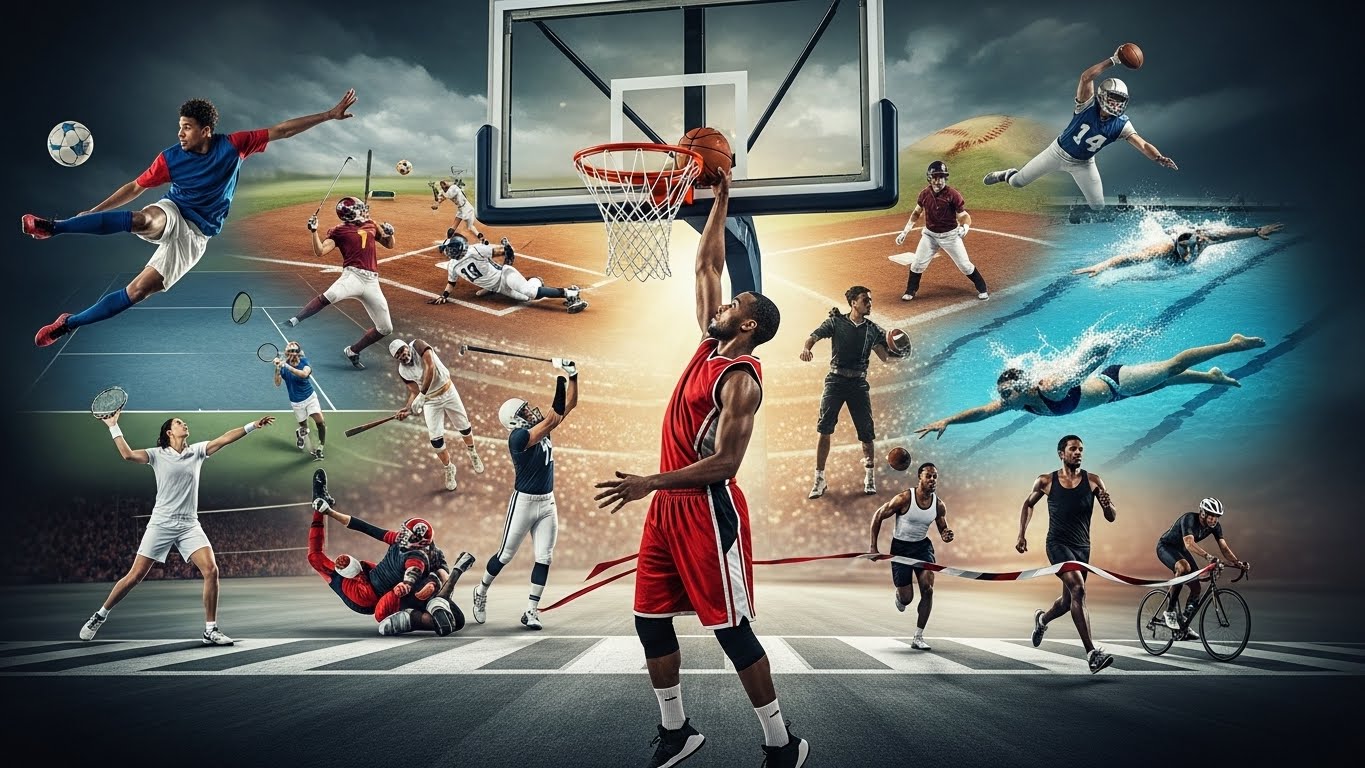
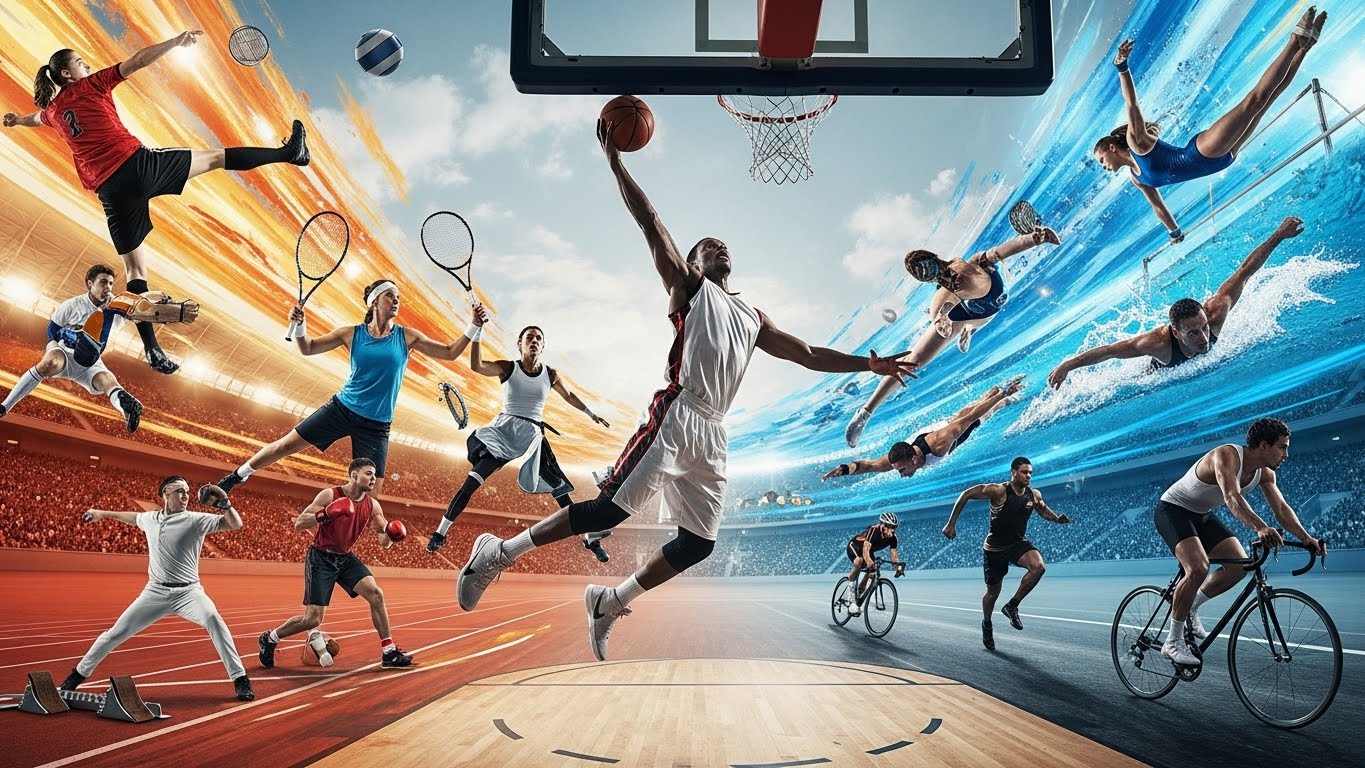
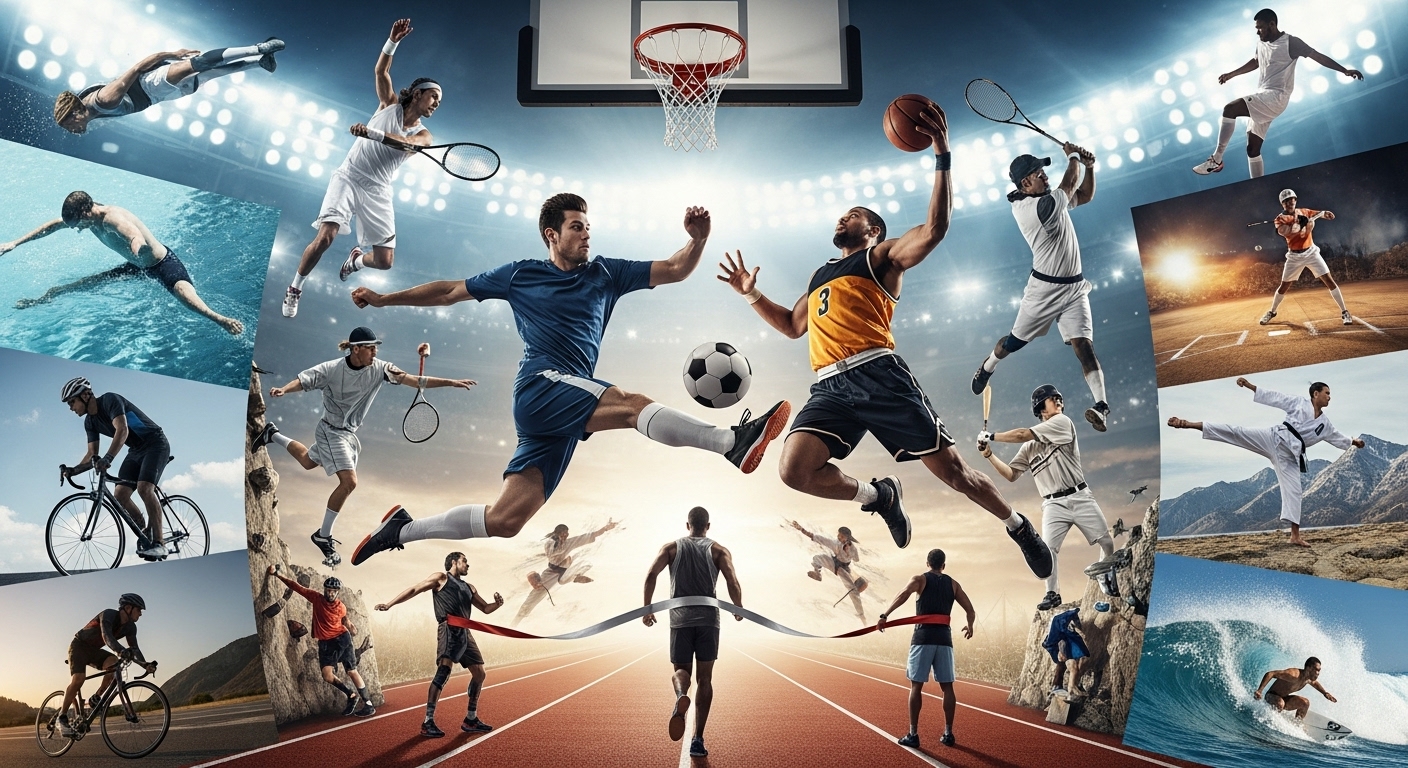
Today, sports have expanded into an extraordinary array of disciplines, catering to various skills, interests, and physical abilities. Broadly, sports can be categorized into team sports, individual sports, combat sports, and adventure or extreme sports.
Team Sports
Team sports emphasize collaboration, strategy, and communication. Soccer, basketball, cricket, and rugby are prime examples. In soccer, the fluidity of movement and tactical coordination make it the most popular sport globally. Basketball demands agility and precision, where players must synchronize passes and shots in a fast-paced environment. Cricket, with its blend of strategy and endurance, is especially celebrated in countries like India, Australia, and England. Team sports are often a reflection of society’s values, teaching individuals how to work together toward a common goal while handling competition and pressure.
Individual Sports
In contrast, individual sports focus on personal performance, discipline, and self-mastery. Athletics, swimming, tennis, and gymnastics are prime examples. Athletes in these sports bear sole responsibility for their success or failure, pushing their limits through rigorous training and mental resilience. Marathon running, for instance, tests not just speed but also endurance and mental stamina, highlighting the human capacity to overcome physical and psychological barriers.
Combat Sports
Combat sports like boxing, wrestling, judo, and mixed martial arts combine physical strength, technique, and strategy. These sports demand exceptional discipline, agility, and awareness, as participants must anticipate and counter their opponent’s moves while protecting themselves. Combat sports have evolved from traditional martial arts and military training into regulated competitions that emphasize skill, safety, and respect for opponents.
Adventure and Extreme Sports
Adventure and extreme sports have gained immense popularity in recent decades. Activities like rock climbing, surfing, snowboarding, and skydiving offer thrilling experiences that push participants beyond their comfort zones. These sports are as much about mental courage as they are about physical ability. In addition, extreme sports often cultivate environmental awareness and a deep appreciation for nature, as athletes must interact with challenging landscapes and unpredictable conditions.
The Physical and Mental Benefits of Sports
Engaging in sports is not just about competition or entertainment; it brings profound physical and mental benefits. Physically, sports enhance cardiovascular health, build muscle strength, improve flexibility, and boost overall stamina. Regular participation reduces the risk of chronic illnesses, promotes weight management, and strengthens the immune system.
Mentally, sports cultivate discipline, focus, and resilience. They provide a healthy outlet for stress and anxiety, boosting mood through the release of endorphins. Participation in sports also fosters social skills, including teamwork, leadership, and communication. Young athletes, in particular, develop confidence and problem-solving abilities that extend beyond the field into academic and professional life.
Iconic Moments That Shaped Sports History
Sports history is filled with legendary moments that have inspired generations. The 1980 “Miracle on Ice” in hockey, when the United States defeated the seemingly invincible Soviet Union, became a symbol of perseverance and national pride. In track and field, Usain Bolt’s world record-breaking sprints redefined human speed and became a global spectacle. Similarly, Serena Williams’ dominance in tennis over decades represents resilience, dedication, and breaking barriers in gender equality.
Team achievements have also left lasting legacies. The 1992 United States “Dream Team” in basketball brought global attention to the sport and highlighted the impact of collaboration and talent synergy. In soccer, tournaments like the FIFA World Cup have produced countless unforgettable moments, from stunning goals to dramatic underdog victories, uniting fans across continents.
Sports as a Reflection of Culture
Sports are more than games; they are cultural expressions. They reflect societal values, traditions, and aspirations. In many countries, sports carry national significance, shaping identity and pride. For instance, soccer in Brazil is a cultural phenomenon, blending athletic skill with music, dance, and local traditions. Similarly, sumo wrestling in Japan preserves centuries-old rituals and emphasizes respect, discipline, and honor.
Sports also serve as platforms for social change. Athletes have used their influence to advocate for equality, justice, and humanitarian causes. From the civil rights activism of athletes like Muhammad Ali to contemporary campaigns for gender equality and climate action, sports transcend the field, becoming instruments for societal transformation.
The Evolution of Sports Technology
The modern era has seen the integration of technology into sports, enhancing performance, safety, and entertainment. Wearable devices track metrics such as heart rate, speed, and fatigue levels, enabling athletes to optimize training. Video replay systems and instant analysis ensure fairness in officiating, while advanced equipment and materials improve safety and performance.
Sports broadcasting technology has also revolutionized fan engagement. High-definition cameras, virtual reality experiences, and interactive apps allow fans to immerse themselves in events from anywhere in the world. This global connectivity has expanded sports’ reach, turning local competitions into worldwide spectacles and inspiring millions of aspiring athletes.
Youth and Grassroots Sports
Youth and grassroots programs form the backbone of sports development. Encouraging children to engage in sports builds healthy habits, discipline, and social skills. Grassroots initiatives often focus on inclusivity, ensuring access to sports for all, regardless of socioeconomic background or physical ability. Schools and community centers play a crucial role in nurturing talent, instilling values of fair play, and fostering a lifelong love for physical activity.
Grassroots sports also contribute to national success in international competitions. Many world-class athletes started in small local programs, proving that talent combined with proper guidance and opportunity can achieve greatness. Promoting youth participation not only develops future champions but also strengthens communities by promoting health, teamwork, and resilience.
Women in Sports: Breaking Barriers
Historically, sports were predominantly male-dominated, but the landscape has changed significantly over the past century. Women athletes have emerged as powerful forces, challenging stereotypes and achieving extraordinary success. From the dominance of Simone Biles in gymnastics to the record-breaking career of Megan Rapinoe in soccer, women continue to redefine what is possible in sports.
Increasing visibility and support for women’s sports have led to greater opportunities, from professional leagues to international competitions. Advocacy for equality in pay, facilities, and media coverage remains ongoing, but progress is undeniable. Women in sports inspire new generations, demonstrating that skill, determination, and passion know no gender.
The Role of Fans and Community
Sports are incomplete without fans. The energy, enthusiasm, and loyalty of supporters transform matches into unforgettable experiences. Fans create atmospheres that motivate players, celebrate achievements, and console defeats. Community events, fan clubs, and local competitions strengthen the social fabric, bringing people together across different ages, backgrounds, and cultures.
The digital era has amplified fan engagement. Social media platforms allow fans to interact with athletes, share experiences, and celebrate victories in real-time. This connection fosters a sense of belonging, turning sports into a shared cultural experience that transcends geography.
Challenges and Ethical Considerations in Sports
Despite the many positive aspects, sports face challenges that require attention. Doping, corruption, and match-fixing threaten the integrity of competitions. Injuries, sometimes career-ending, remind us of the physical risks athletes endure. Addressing these issues demands strict regulations, education, and ethical leadership from governing bodies.
Additionally, the commercialization of sports has introduced pressures and inequalities. While financial growth has enabled larger events and better facilities, it can also overshadow the essence of sportsmanship and fair competition. Balancing commercial interests with the core values of sports remains a key challenge for the modern era.
The Future of Sports
The future of sports promises innovation, inclusivity, and global connectivity. Emerging technologies like artificial intelligence, virtual reality, and bioengineering may revolutionize training, fan engagement, and even performance. Esports, blending gaming with athletic skill and strategy, has already become a competitive arena with international recognition, expanding the definition of sports in the digital age.
Moreover, there is a growing emphasis on sustainability and social responsibility. Sports organizations are increasingly adopting eco-friendly practices, from stadium design to event management, ensuring that the love for sports aligns with global environmental goals. Inclusivity will continue to shape the landscape, providing opportunities for athletes of all abilities, genders, and backgrounds to thrive.
Conclusion: The Timeless Impact of Sports
Sports are more than physical contests; they are reflections of human spirit, culture, and ambition. They inspire excellence, build character, and unite communities across borders. From the ancient arenas of Olympia to the high-tech stadiums of today, sports have evolved but retained their essence: a celebration of human potential, teamwork, and perseverance.
Whether through the triumphs of individual athletes, the strategic brilliance of teams, or the collective joy of fans, sports will continue to captivate, challenge, and connect people worldwide. They remind us that despite differences in language, culture, or geography, the drive to push limits, strive for excellence, and experience the thrill of competition is a universal bond that unites humanity.