Introduction: The Power of Sports
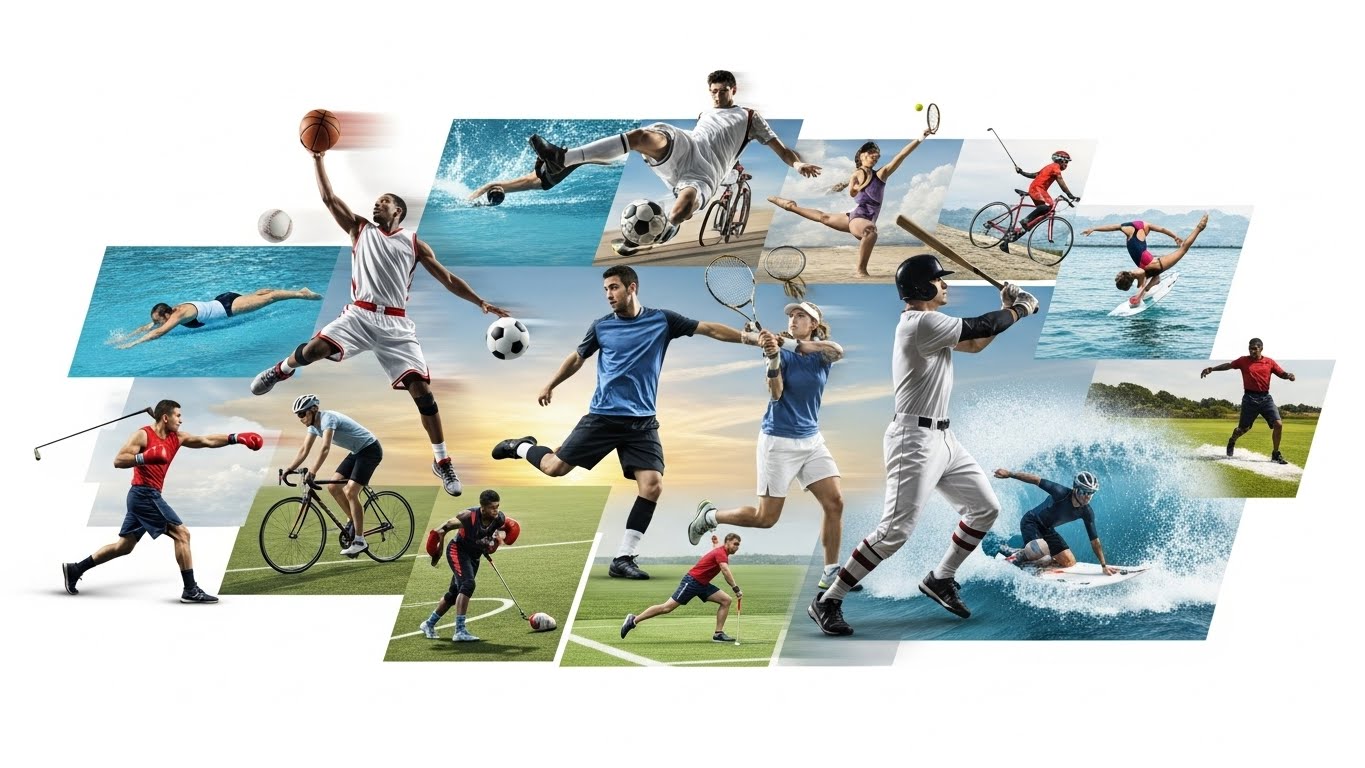
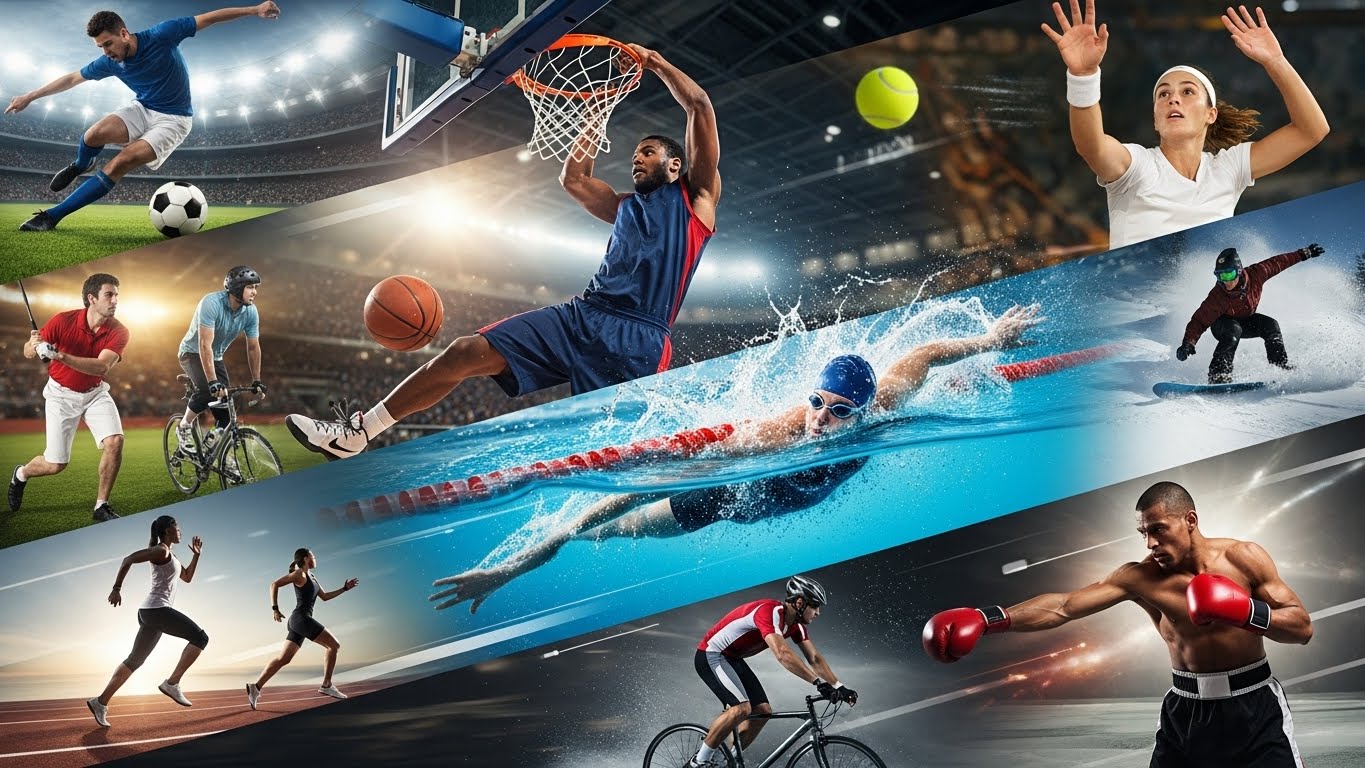
Sports have been an integral part of human society for centuries. From ancient Olympic games to modern-day football leagues, sports captivate people across all ages and cultures. More than just a physical activity, sports serve as a medium to inspire, unite, and challenge individuals. They teach essential life skills such as discipline, teamwork, perseverance, and resilience. In today’s fast-paced world, where technology dominates our daily lives, sports remain a vital channel to encourage physical activity, mental strength, and social bonding.
The Historical Significance of Sports
The roots of organized sports trace back thousands of years. Ancient civilizations, including the Greeks, Romans, and Egyptians, held competitions that showcased human skill, strength, and endurance. The Olympic Games, originating in 776 BCE in Greece, are perhaps the most iconic example of early sports culture. These games were not only a demonstration of athletic ability but also a celebration of cultural unity. Over the centuries, sports evolved alongside human civilization, adapting to technological innovations and cultural shifts. Today, global sporting events like the FIFA World Cup, the Olympics, and the Super Bowl continue this tradition, bringing people together from every corner of the world.
The Physical Benefits of Sports
One of the most obvious advantages of engaging in sports is physical fitness. Regular participation in sports helps strengthen muscles, improve cardiovascular health, and enhance flexibility and coordination. Activities such as running, swimming, football, and basketball provide a full-body workout while improving stamina and endurance. Beyond fitness, sports help maintain a healthy body weight and reduce the risk of chronic diseases such as diabetes, hypertension, and heart conditions. The physical challenges presented by sports push individuals to go beyond their limits, promoting overall health and well-being.
Mental and Emotional Impact of Sports
Sports are not just about physical activity; they have profound psychological benefits as well. Engaging in sports helps reduce stress, anxiety, and depression by releasing endorphins, often called the “feel-good hormones.” The discipline and focus required in sports enhance concentration, problem-solving abilities, and emotional resilience. Competitive sports, in particular, teach individuals how to handle success and failure gracefully, fostering a growth mindset that can be applied to all aspects of life. Team sports also cultivate empathy, communication, and conflict-resolution skills, as players learn to collaborate with teammates and respect opponents.
Sports as a Catalyst for Social Unity
Sports have a unique ability to bring people together. Regardless of nationality, race, or social status, sports create a shared space where individuals can connect over a common passion. Major sporting events foster national pride and global camaraderie. Fans gather in stadiums, living rooms, and public spaces to support their favorite teams, creating a sense of community and belonging. Moreover, sports often act as a platform to promote social change, raise awareness about important issues, and challenge stereotypes. Initiatives such as charity matches, inclusive sporting programs, and campaigns against discrimination highlight the social responsibility that sports can embody.
The Role of Technology in Modern Sports
Technology has revolutionized the way sports are played, viewed, and analyzed. Advanced equipment, wearable devices, and performance analytics have transformed training techniques, helping athletes reach peak performance. Video-assisted refereeing, instant replay, and digital tracking systems ensure fairness and precision in competitions. Sports broadcasting has also evolved, allowing fans worldwide to experience live events from the comfort of their homes. Social media platforms enable athletes to engage with fans directly, building personal brands and promoting the sport globally. While technology brings numerous advantages, it also challenges the traditional essence of sports, pushing athletes and organizations to adapt continuously.
Youth and Sports: Shaping the Future
Incorporating sports into the lives of young people is essential for building a healthier, more disciplined, and confident generation. Participation in sports instills values such as responsibility, teamwork, and goal-setting from an early age. Schools and communities play a crucial role in providing access to sporting facilities, coaching, and competitions. Youth sports programs encourage inclusivity, allowing children from diverse backgrounds to participate and thrive. Beyond physical development, sports nurture leadership skills, self-esteem, and a sense of achievement, preparing young individuals to face future challenges both on and off the field.
The Economic Impact of Sports
Sports contribute significantly to the global economy. Professional leagues, tournaments, and events generate revenue through ticket sales, sponsorships, merchandise, and media rights. Cities and countries hosting international competitions experience boosts in tourism, infrastructure development, and job creation. The sports industry also creates employment opportunities for coaches, trainers, medical staff, journalists, and marketing professionals. Moreover, sports brands and equipment manufacturers drive innovation, producing cutting-edge products that enhance athletic performance. The economic influence of sports extends beyond financial gains, supporting communities and inspiring the next generation of athletes and fans.
Women in Sports: Breaking Barriers
The role of women in sports has expanded remarkably over the past few decades. Female athletes have challenged stereotypes, achieved unprecedented success, and inspired millions worldwide. Sports such as tennis, athletics, football, and cricket have witnessed rising participation and recognition for women. Organizations and governing bodies are increasingly promoting gender equality, offering equal opportunities, prize money, and media coverage. Women in sports serve as role models, demonstrating that dedication, talent, and perseverance know no gender boundaries. The journey toward full equality continues, but the progress made highlights the transformative power of sports in shaping societal attitudes.
Sportsmanship and Ethics
At the heart of sports lies the principle of sportsmanship—playing fair, respecting opponents, and valuing integrity over victory. Ethics in sports ensure that competitions remain honorable and enjoyable for participants and spectators alike. Doping, match-fixing, and unsportsmanlike behavior undermine the essence of sports, reminding athletes and fans of the importance of honesty and accountability. Teaching and promoting sportsmanship, especially among young athletes, creates a culture of respect and fairness that extends beyond the playing field into everyday life.
The Future of Sports
The future of sports is an exciting blend of tradition and innovation. Emerging trends such as esports, virtual reality training, and sustainable sporting practices are reshaping the landscape. Esports, in particular, has gained recognition as a legitimate competitive arena, attracting millions of fans and participants globally. Sustainability initiatives in stadium construction, energy consumption, and waste management reflect a growing awareness of environmental responsibility. As technology and social change continue to influence sports, the core values of competition, teamwork, and personal growth remain timeless.
Conclusion: Sports as a Way of Life
Sports are more than a pastime; they are a reflection of human aspiration, determination, and creativity. They challenge us physically, mentally, and emotionally, while fostering unity, discipline, and social responsibility. From grassroots participation to professional leagues, sports shape cultures, economies, and individual lives. Whether it is the joy of playing, the thrill of competition, or the shared excitement of cheering for a team, sports enrich our world in countless ways. Embracing sports as a way of life ensures not only personal growth but also a healthier, more connected, and resilient society.