Introduction: More Than Just a Game
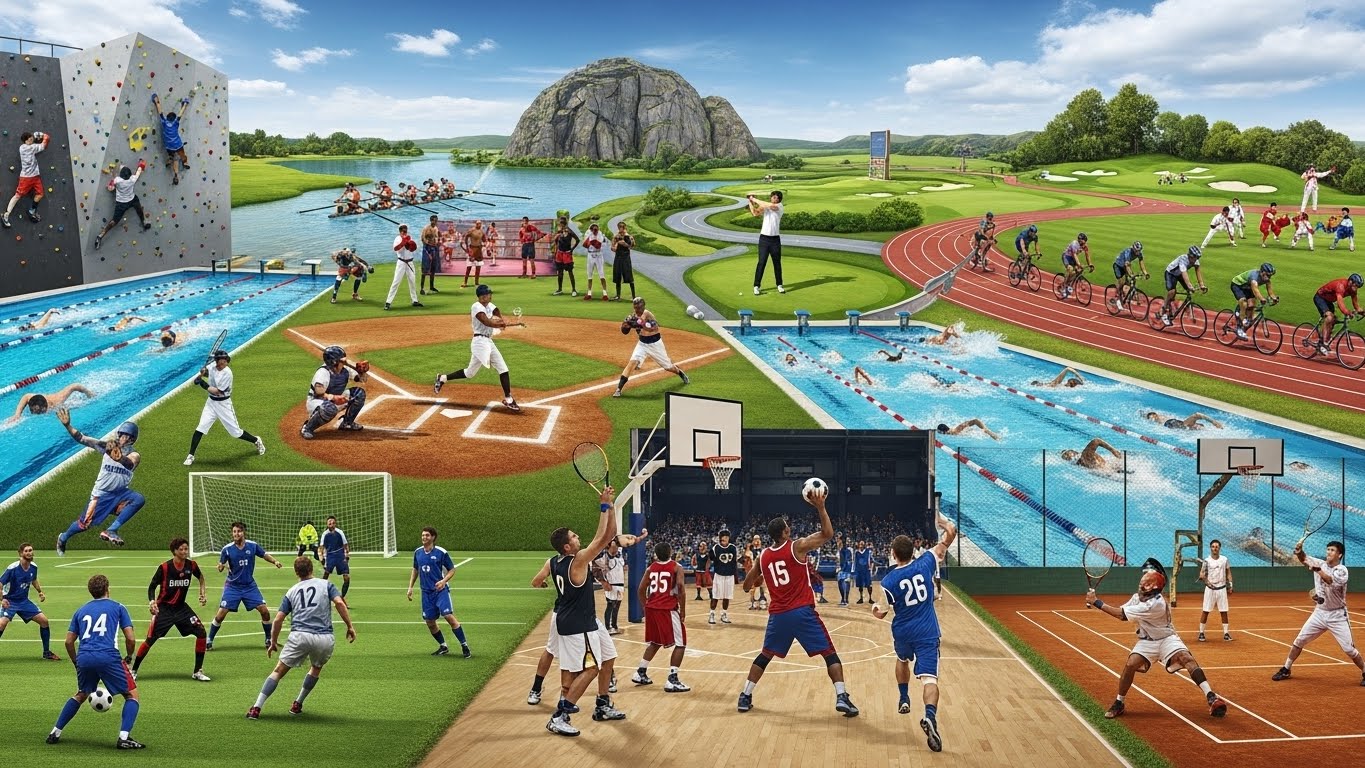
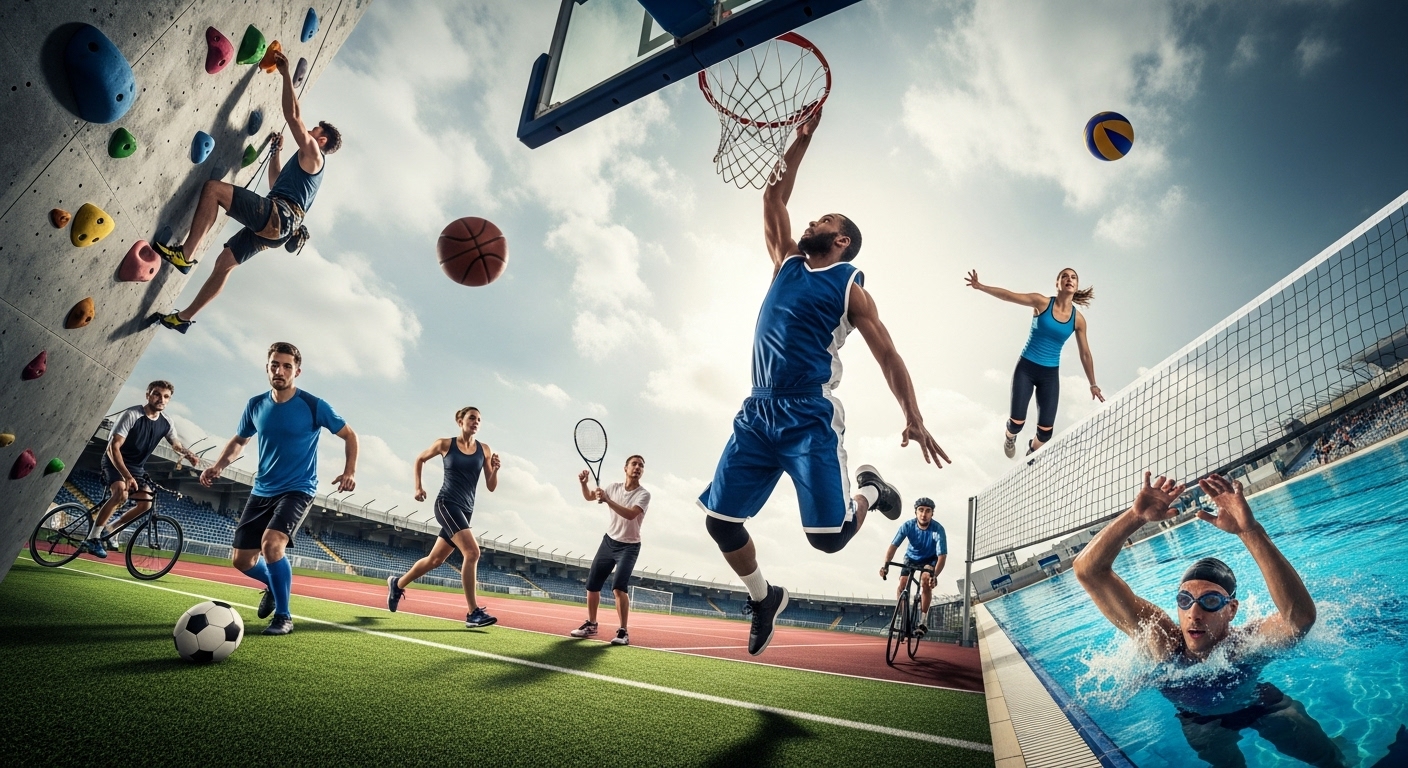
Sports are often viewed as mere games played on courts, fields, or arenas. But in truth, they are much more than that. Sports are a universal language that transcends geography, culture, and age. Whether it’s a child kicking a soccer ball in a dusty field or a global audience watching the Olympics, sports are a shared human experience.
They are a source of joy, unity, competition, and emotion. Sports bring people together and inspire us to push beyond limits, chase excellence, and overcome adversity. This blog explores how sports influence not just physical health but also our character, communities, and culture. From the psychology of performance to the unifying power of team spirit, this post dives into the many layers that make sports a powerful force in our lives.
The History and Evolution of Sports
Sports have been part of human history for thousands of years. In ancient civilizations like Egypt, Greece, and Rome, athletic contests were held to honor gods, demonstrate strength, and entertain communities. The Olympic Games, which began in ancient Greece around 776 BCE, laid the groundwork for modern international competition.
As societies evolved, so did sports. What started as ritualistic or military training gradually transformed into structured competition. Rules were formalized, teams were established, and various forms of sportsmanship were promoted.
In the 20th and 21st centuries, advancements in technology, media, and transportation allowed sports to become global. Today, professional leagues, youth academies, and international tournaments create opportunities for athletes at every level to compete and grow.
The Role of Sports in Physical and Mental Development
One of the most widely acknowledged benefits of sports is physical fitness. Regular participation in sports improves cardiovascular health, muscular strength, flexibility, and overall endurance. It promotes better lifestyle choices and helps in combating obesity and related diseases.
Beyond the physical, sports play a vital role in mental development. Athletes learn discipline, patience, and resilience. The process of training and competing teaches individuals how to set goals, handle failure, and stay motivated. These mental traits are transferable to all areas of life, including academics, career, and relationships.
Young athletes especially benefit from early exposure to organized sports. It teaches them how to cooperate, handle pressure, and respect authority figures such as coaches and referees.
Building Character Through Competition
The essence of sports lies in competition. It’s about testing oneself against others under fair and agreed-upon conditions. While winning is a desirable outcome, the process of competing itself builds character.
Sports instill values such as honesty, teamwork, accountability, and respect. Players learn that hard work and preparation are key to success. They also learn how to handle loss with dignity and come back stronger from setbacks.
In team sports, individuals learn how to put group goals above personal glory. They understand the importance of playing their role and trusting teammates. In solo sports, the spotlight is on personal responsibility, which sharpens self-awareness and focus.
Character is not built solely in moments of victory. Often, it is in defeat, injury, and challenge where athletes develop the grit and emotional strength that defines great character.
The Social Impact of Sports on Communities
Sports are a powerful tool for community building. Local teams bring neighborhoods together, whether through youth leagues, school events, or amateur tournaments. People who might otherwise have little in common can find shared identity and pride through their support of a local team or athlete.
Large-scale sports events stimulate local economies by creating jobs, increasing tourism, and encouraging infrastructure development. Stadiums and training centers often become central hubs in cities, supporting community engagement.
At a deeper level, sports can address social issues. Programs that integrate sports with education and life skills training are helping children in underprivileged communities stay in school and away from harmful environments. Sports also serve as platforms for promoting gender equality, inclusion, and peace in divided regions.
Sports and Education: Partners in Youth Development
In many educational systems, sports are integrated as an essential part of learning and development. Physical education classes teach basic athletic skills, while extracurricular teams provide structured environments for competition.
Sports in schools promote time management, leadership, and academic discipline. Student-athletes often perform better in classrooms because the habits they develop in training translate into their study habits.
Many schools and universities also offer scholarships to outstanding athletes, enabling access to higher education that might otherwise be unaffordable. These opportunities open doors and create long-term career pathways.
Furthermore, being part of a school team fosters a sense of belonging, which is crucial for emotional and social development during adolescence.
The Psychology of Peak Performance
One of the most fascinating aspects of sports is the psychological element. Performing under pressure, staying motivated, and overcoming mental blocks are challenges athletes face daily.
Sports psychology is a growing field focused on helping athletes reach their potential by training their minds. Techniques like visualization, goal setting, and mindfulness are used to sharpen mental focus and emotional regulation.
Elite athletes often work with psychologists to manage stress, recover from setbacks, and maintain consistent motivation. The difference between good and great athletes frequently lies not in physical ability but in mental strength.
Understanding the role of mindset in performance helps athletes perform at their best not only in games but also in life.
Women in Sports: Breaking Barriers and Shaping Future Generations
Historically, women faced limited opportunities in sports due to cultural, societal, and institutional barriers. However, the past few decades have witnessed a tremendous shift.
From tennis icons to soccer champions, female athletes are now gaining recognition, breaking records, and inspiring millions. Women’s leagues and competitions are growing, and media coverage is slowly becoming more equitable.
The increased visibility of female athletes empowers girls worldwide to dream big and pursue sports without fear. It also challenges outdated stereotypes and pushes for equal investment in women’s sports at all levels.
Still, there is more progress to be made. Addressing disparities in pay, facilities, sponsorships, and leadership roles remains critical to achieving true equality in the sports world.
Global Sports Icons and Their Cultural Influence
Some athletes transcend their sport to become global icons. These individuals are admired not just for their skills, but for their character, leadership, and influence beyond the playing field.
Such figures often become role models, brand ambassadors, and agents of change. They use their platforms to speak out on issues such as racism, poverty, mental health, and education.
In many cases, these athletes come from humble beginnings, and their journeys symbolize hope and perseverance. They inspire generations and shape cultural trends, fashion, language, and even politics.
Their influence reinforces the idea that sports are not isolated from society but are deeply connected to the world around them.
The Role of Technology in Modern Sports
Technology is revolutionizing the sports industry. From performance analysis to injury prevention, modern tools are enabling athletes and coaches to push boundaries like never before.
Wearable devices track biometrics and performance data. Video analysis software breaks down every movement for refinement. Virtual reality is being used for training simulations, while artificial intelligence helps in scouting and strategy development.
Even for fans, technology has transformed the experience. High-definition broadcasts, real-time statistics, and interactive content have made following sports more immersive and engaging.
However, technology also raises questions around fairness. The use of video replay systems and data-driven decisions has sparked debates about the role of human judgment versus digital accuracy in officiating.
Sportsmanship and Ethics in a Competitive World
In a world driven by winning, the values of sportsmanship and ethical conduct are more important than ever. Cheating scandals, doping, and unsportsmanlike behavior can damage the integrity of sports.
True sportsmanship involves respecting opponents, accepting outcomes gracefully, and playing fairly even when no one is watching. It is a value that begins in youth sports and should be reinforced at all levels.
Leagues and governing bodies have a responsibility to uphold ethical standards and promote positive role models. Coaches and parents also play a critical role in teaching young athletes the difference between healthy competition and toxic behavior.
Conclusion: Why Sports Will Always Matter
In every corner of the world, on playgrounds and in stadiums, sports continue to be a vital part of the human experience. They bring joy, teach values, create unity, and foster growth.
While records are broken and trophies change hands, the lasting impact of sports lies in the memories, lessons, and relationships they create. They remind us of our shared humanity, our ability to overcome obstacles, and our relentless pursuit of greatness.
Whether you are an athlete, a fan, a coach, or simply someone who enjoys the occasional game, sports have a place in your story. They are not just about scoring goals or winning medals—they are about becoming better people, building stronger communities, and chasing something greater than ourselves.