Introduction: More Than Just a Game
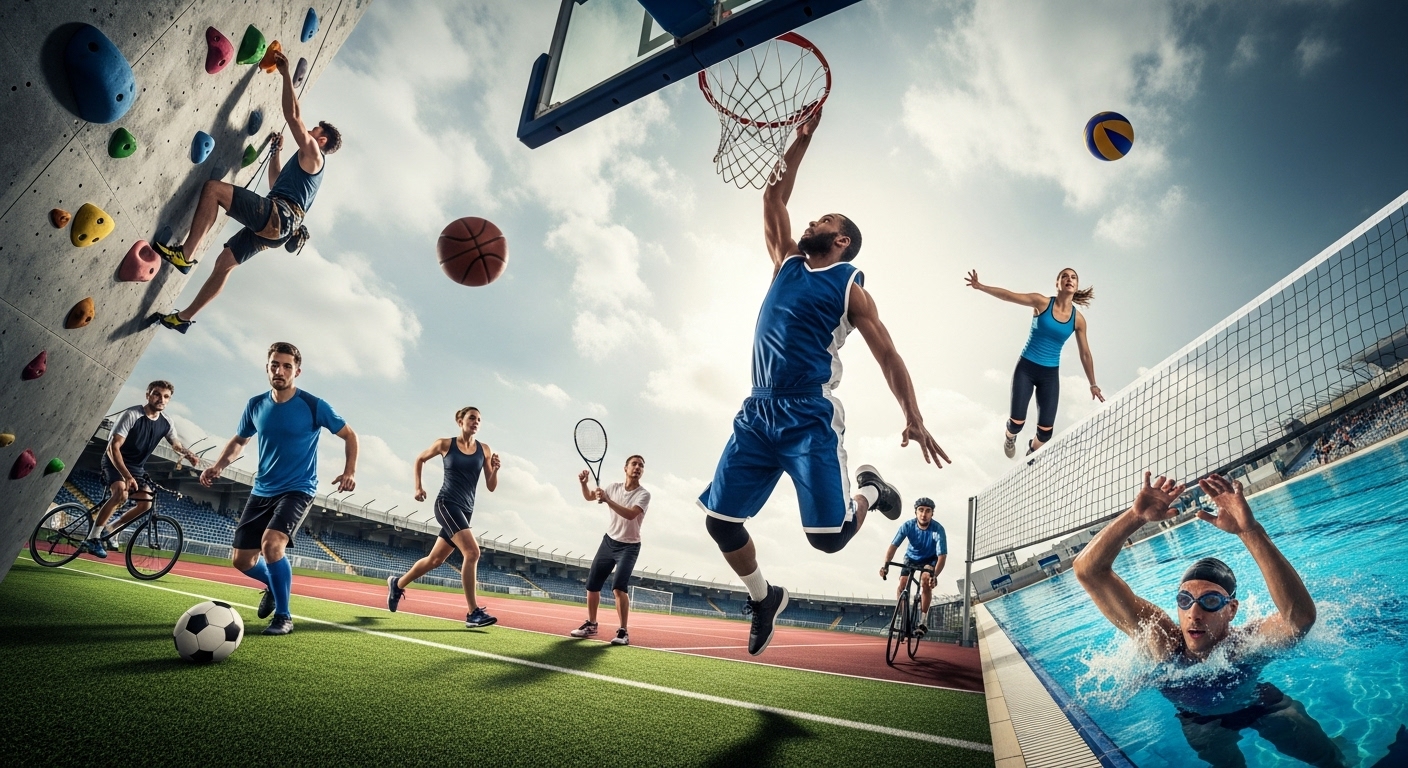
Sports have always been more than a contest between teams or individuals. While the scoreboard shows numbers, the real impact of sports is written in stories of discipline, resilience, unity, and passion. From dusty village fields to grand international stadiums, sports connect people across borders, languages, and generations. They teach lessons that classrooms often cannot and create emotions that stay with fans and players for a lifetime. This blog explores how sports influence personal growth, society, and culture, proving that their value extends far beyond winning and losing.
The Universal Language of Sports
One of the greatest strengths of sports is their ability to communicate without words. A perfectly timed pass, a powerful sprint, or a dramatic last-minute goal can be understood by anyone, anywhere. Sports act as a universal language that brings together people from different backgrounds, cultures, and beliefs. In moments of intense competition, differences fade and a shared sense of excitement takes over. This is why international tournaments often feel like global celebrations rather than mere competitions.
Sports and Personal Discipline
At the heart of every successful athlete lies discipline. Training routines, strict schedules, controlled diets, and mental focus are all part of an athlete’s daily life. Sports teach individuals the importance of consistency and patience. Progress does not come overnight, and failure is often a stepping stone toward improvement. These lessons are not limited to the field. The discipline learned through sports often carries into academics, careers, and personal relationships, helping individuals manage time and responsibilities more effectively.
Building Mental Strength Through Competition
Sports are as much a mental challenge as a physical one. Athletes constantly face pressure, expectations, and uncertainty. Learning to stay calm in high-stress situations builds mental toughness. Losing a match can be emotionally difficult, but it also teaches acceptance and resilience. Athletes learn how to analyze mistakes, adjust strategies, and return stronger. This mental strength becomes valuable in real life, where setbacks and challenges are inevitable.
The Role of Teamwork and Leadership
Team sports, in particular, highlight the importance of cooperation. No matter how talented an individual may be, success often depends on how well a team works together. Sports teach players to trust one another, communicate effectively, and respect different roles within a group. Leadership naturally develops in this environment. Captains and senior players learn how to motivate teammates, make decisions under pressure, and lead by example. These leadership skills are transferable to workplaces, communities, and families.
Sports as a Tool for Social Unity
Sports have the power to unite societies during times of division. Major sporting events often bring entire nations together, creating moments of shared pride and emotion. Fans celebrate victories collectively and mourn losses together. Sports can also promote social inclusion by providing opportunities for people regardless of gender, economic status, or physical ability. Community sports programs help bridge social gaps and offer young people a sense of belonging and purpose.
The Influence of Sports on Youth Development
For young people, sports play a crucial role in development. Participation in sports encourages physical fitness, reduces stress, and promotes healthy habits. Beyond physical benefits, sports help children learn values such as fairness, respect, and responsibility. Young athletes experience the importance of rules and the consequences of actions. Coaches often become mentors, guiding players not only in sports skills but also in life choices. This positive influence can shape confident and responsible adults.
Sports and Cultural Identity
Many sports are deeply connected to cultural identity. Traditional games reflect the history and values of a region, while modern sports evolve with society. Supporting a local team often becomes part of family tradition, passed down through generations. Stadiums turn into cultural landmarks, and iconic moments in sports history become part of national memory. Through sports, culture is celebrated, preserved, and shared with the world.
The Business and Entertainment Side of Sports
Sports have grown into a global industry that combines competition with entertainment. Professional leagues, sponsorships, and broadcasting have transformed athletes into global icons. While commercialization has brought financial growth and wider exposure, it has also introduced challenges such as pressure on athletes and debates over fairness. Balancing business interests with the true spirit of sports remains an ongoing conversation. Despite these challenges, the entertainment value of sports continues to attract millions of fans worldwide.
Sportsmanship and Ethical Values
True sportsmanship is about respect, integrity, and fairness. It involves accepting decisions, honoring opponents, and playing within the rules. Sports provide a platform to demonstrate ethical behavior, even under intense competition. Moments of honesty, such as admitting a fault or helping an injured opponent, often leave a lasting impression. These actions remind us that character matters as much as talent.
The Emotional Connection Between Fans and Sports
Fans are the soul of sports. Their passion, loyalty, and emotions create an atmosphere that players thrive on. Supporting a team often becomes part of personal identity. Fans celebrate victories with joy and endure defeats with heartbreak. This emotional connection builds community, as strangers bond over shared support. Sports give people something to believe in, hope for, and look forward to, especially during difficult times.
The Role of Technology in Modern Sports
Technology has transformed how sports are played, watched, and analyzed. Advanced training methods, performance tracking, and video analysis help athletes improve precision and reduce injury risks. For fans, technology enhances viewing experiences through better visuals and detailed insights. While technology improves accuracy and fairness, it also raises debates about tradition versus innovation. Finding the right balance ensures that sports remain exciting while evolving with time.
Sports as a Source of Inspiration
Stories of athletes overcoming adversity inspire millions. From recovering from injuries to breaking social barriers, these journeys highlight the power of determination. Sports heroes often become role models, motivating people to chase their dreams despite obstacles. Inspiration from sports goes beyond athletic ambition and encourages perseverance in everyday life.
Challenges Facing the World of Sports
Despite their positive impact, sports face challenges such as corruption, inequality, and excessive pressure on athletes. Addressing these issues requires strong governance, ethical leadership, and community involvement. Ensuring equal opportunities, mental health support, and fair competition is essential for the future of sports. Recognizing and tackling these challenges helps preserve the true essence of athletic competition.
Conclusion: The Lasting Impact of Sports
Sports are a reflection of humanity itself, filled with struggle, triumph, failure, and hope. They shape character, build communities, and inspire generations. While trophies and records may fade with time, the lessons learned through sports remain lifelong companions. Beyond the scoreboard lies a world of values, emotions, and connections that define why sports matter so deeply. In celebrating sports, we celebrate the human spirit and its endless capacity to strive, unite, and grow.