Introduction: More Than a Game
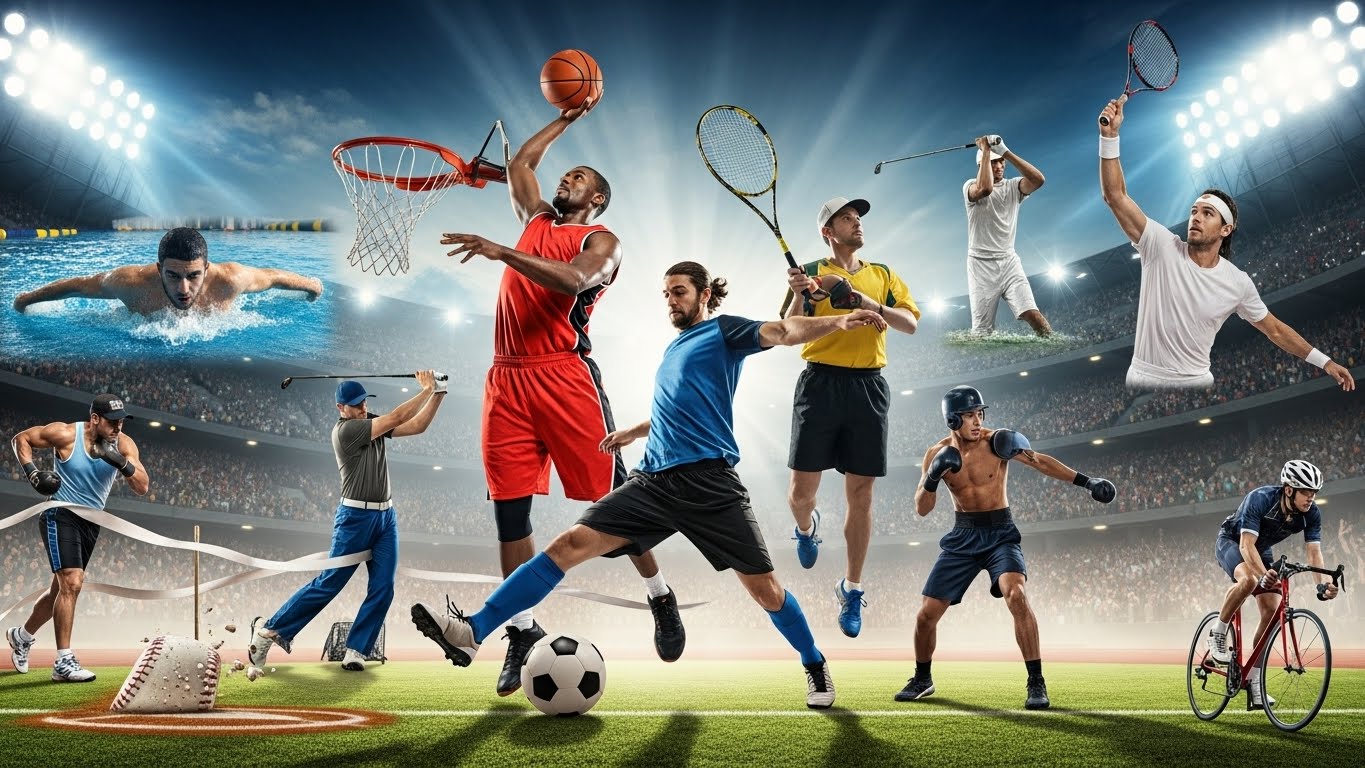
Sports are often described as physical contests, competitions of strength and skill, or simple recreational activities. But in truth, they are far more than that. Sports are emotional landscapes, cultural narratives, and powerful experiences that shape identities and communities. Whether it is the roar of a packed stadium, the tense silence before a decisive play, or the quiet dedication of an athlete training alone at dawn, sports weave themselves into the hearts of those who participate and those who simply watch. This blog explores how sports influence individuals and society, celebrate teamwork and discipline, and continue to evolve with technology and changing global dynamics.
The Cultural Power of Sports
Sports carry immense cultural weight across the world. They are one of the few universal languages humans share. From ancient civilizations hosting athletic contests to modern global events that gather millions, sports serve as a reflection of cultural values and traditions.
In many countries, sports symbolize national pride. International competitions often transform into celebrations of heritage, unity, and identity. On a smaller scale, local sports events connect communities, bridging differences between people of varied backgrounds. A neighborhood football match or a small-town marathon can generate the same sense of belonging seen in major stadiums.
Beyond entertainment, sports carry stories that define eras. Icons like Muhammad Ali, Pelé, Serena Williams, and Sachin Tendulkar are not remembered solely for their achievements but for their influence on society. Through their actions, sports figures have sparked movements, challenged norms, and inspired change. Their stories become part of cultural memory, reminding us that sports can shape more than just games.
The Psychology of Passion and Competition
One of the most fascinating aspects of sports is how deeply they engage the human mind. Athletic performance is not simply physical; it is an intense psychological interplay of focus, resilience, confidence, and emotion.
For athletes, competition becomes a mental battlefield. Success demands far more than mastering techniques. It requires managing pressure, overcoming self-doubt, staying motivated, and keeping composure in moments of unpredictability. The mental strength needed to rise from defeat is often what separates champions from the rest. Many athletes train their minds as rigorously as their bodies, using visualization, mindfulness, and performance psychology to stay sharp.
For fans, sports serve as emotional outlets. The sense of belonging to a team or a sporting community can reduce stress, build friendships, and improve mental health. Victory brings euphoria. Defeat brings heartbreak. Yet both create shared emotional experiences, strengthening the connection between fans and the sport itself.
Teamwork: The Foundation of Collective Success
At the heart of many sports lies one crucial element: teamwork. Whether it is basketball, football, cricket, or relay racing, the ability to work together defines the outcome. Team sports teach individuals how to communicate, trust, and collaborate—skills that extend far beyond the playing field.
Great teams are built on understanding and respecting each player’s role. Not everyone needs to score the winning goal or carry the ball across the finish line. What matters is how each person contributes to the collective strategy and success. These lessons become invaluable in personal and professional life, illustrating how unity, diversity, and collaboration can transform challenges into achievements.
Leadership is also shaped on the field. Captains learn to inspire, guide, and support their teammates. Coaches learn to listen and to help athletes grow. These roles highlight that leadership is not about authority but about service, responsibility, and the ability to uplift others.
Discipline and Dedication: The Athlete’s Lifestyle
Athletes exemplify discipline, perhaps more than any other group. Their daily routines often include rigorous training, strict diets, mental conditioning, and continuous skill development. These habits are not built overnight. They require commitment, patience, and the willingness to sacrifice comfort for progress.
Sports teach us that improvement comes through consistent effort. Every sprint, every lift, every practice session brings athletes closer to excellence. This mindset resonates beyond sports, inspiring people to pursue their goals with determination. Whether someone is studying, working, or pursuing a creative passion, the discipline learned from sports becomes a powerful tool for personal development.
Furthermore, athletes must embrace resilience. Injuries, losses, and challenges are inevitable. Yet each setback becomes an opportunity for growth. The courage to try again, to push limits, and to rise from difficulty reveals the true strength of the human spirit.
Sports in the Era of Technology
Today, sports are evolving faster than ever before due to technological innovation. Modern training methods rely on data analytics, performance tracking, and biomechanical insights that help athletes understand their strengths and weaknesses with scientific precision. Wearable technology monitors heart rate, recovery time, and muscle performance, allowing athletes to train smarter rather than harder.
Virtual reality is transforming training experiences by replicating real-game scenarios. Athletes can now practice decision-making and strategy without stepping onto the field. Meanwhile, digital platforms allow fans to experience sports in more interactive and immersive ways. From slow-motion replays to virtual stadiums, technology enhances the viewing experience and brings fans closer to the action.
Sports science has improved nutrition, recovery, and injury prevention, extending the careers of many athletes. These advancements show how innovation continues to shape the future of sports, creating new opportunities for performance and entertainment.
The Global Unity Brought by Sports
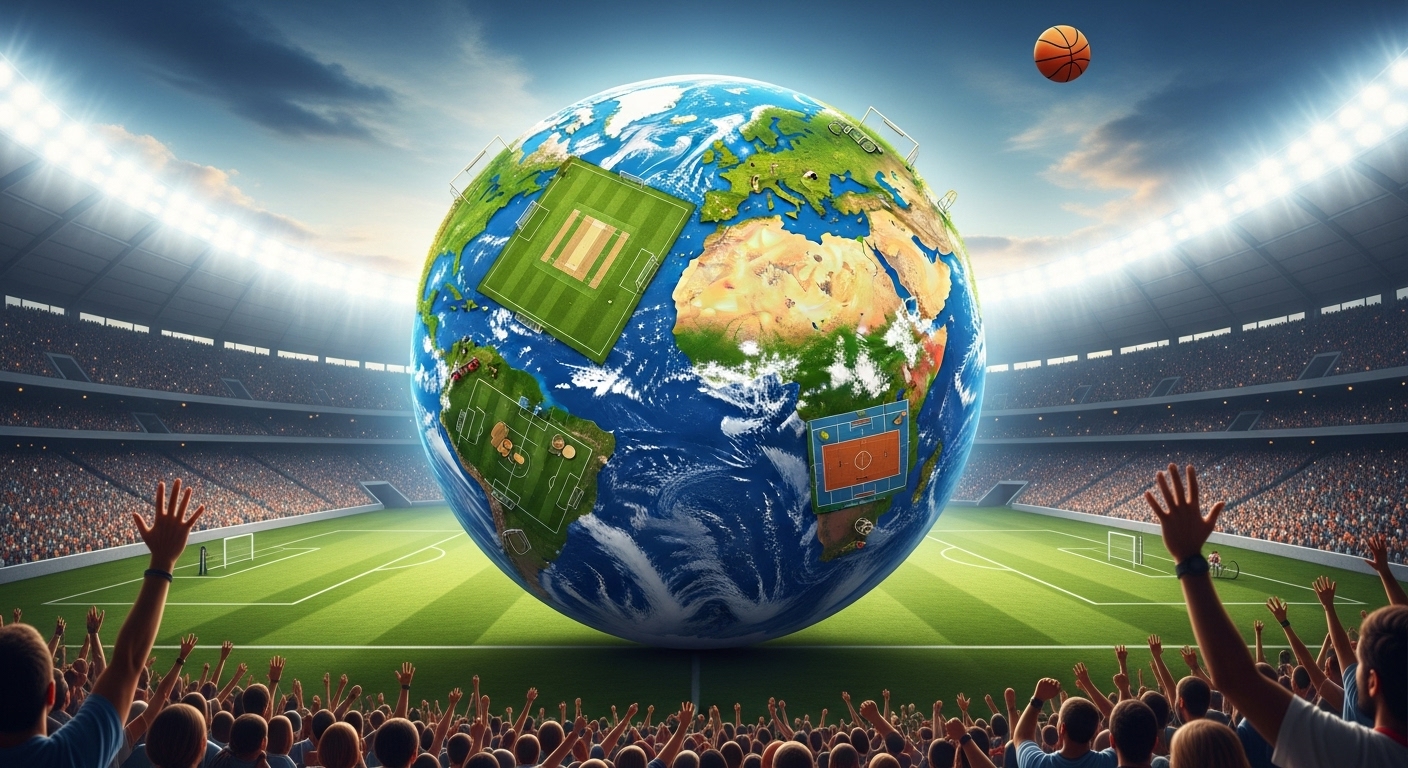
Perhaps the most beautiful aspect of sports is their ability to unite people. Major events remind us that despite differences in language, culture, and beliefs, humans share a common love for competition, storytelling, and achievement. Sports break barriers and create connections that transcend borders.
Rivalries create intensity, but mutual respect among athletes fosters admiration and inspiration. When competitors exchange jerseys, shake hands, or console each other after a match, they demonstrate sportsmanship that speaks to the heart. These moments highlight the humanity within competition.
Sports also promote inclusivity. Adaptive sports have created spaces for athletes with disabilities to shine. Women’s sports have gained incredible momentum, empowering new generations and breaking long-standing stereotypes. Youth sports programs open opportunities for children of all backgrounds, teaching them that dreams can be achieved through dedication.
The Future of Sports: What Lies Ahead
The future of sports promises innovation, inclusivity, and global engagement. As technology advances and new generations grow up in digital worlds, sports will continue adapting. Esports have already become one of the fastest-growing competitive arenas, expanding the definition of what sports can be.
Traditional sports will remain powerful, but they will likely integrate new tools, improved safety measures, and enhanced training methods. Sustainability will also become essential as sporting organizations work to reduce environmental impact and build eco-friendly stadiums and events.
Most importantly, the spirit of sports will continue to thrive. The desire to compete, connect, and challenge ourselves is timeless. No matter how the world changes, sports will remain a source of inspiration, joy, and unity.
Conclusion: The Enduring Spirit of the Game
Sports are more than a pastime; they are a celebration of human potential. They teach us how to dream, persevere, and connect. They reveal our strengths and weaknesses, shaping character and community. Whether you are an athlete, a casual player, or simply a fan, sports have something to offer.
The pulse of the game beats in every cheering crowd, every team huddle, every moment of triumph and defeat. It beats in the hearts of those who love the challenge and those who simply love the story. And as long as people continue to strive, compete, and believe, the spirit of sports will live on—timeless, powerful, and universal.