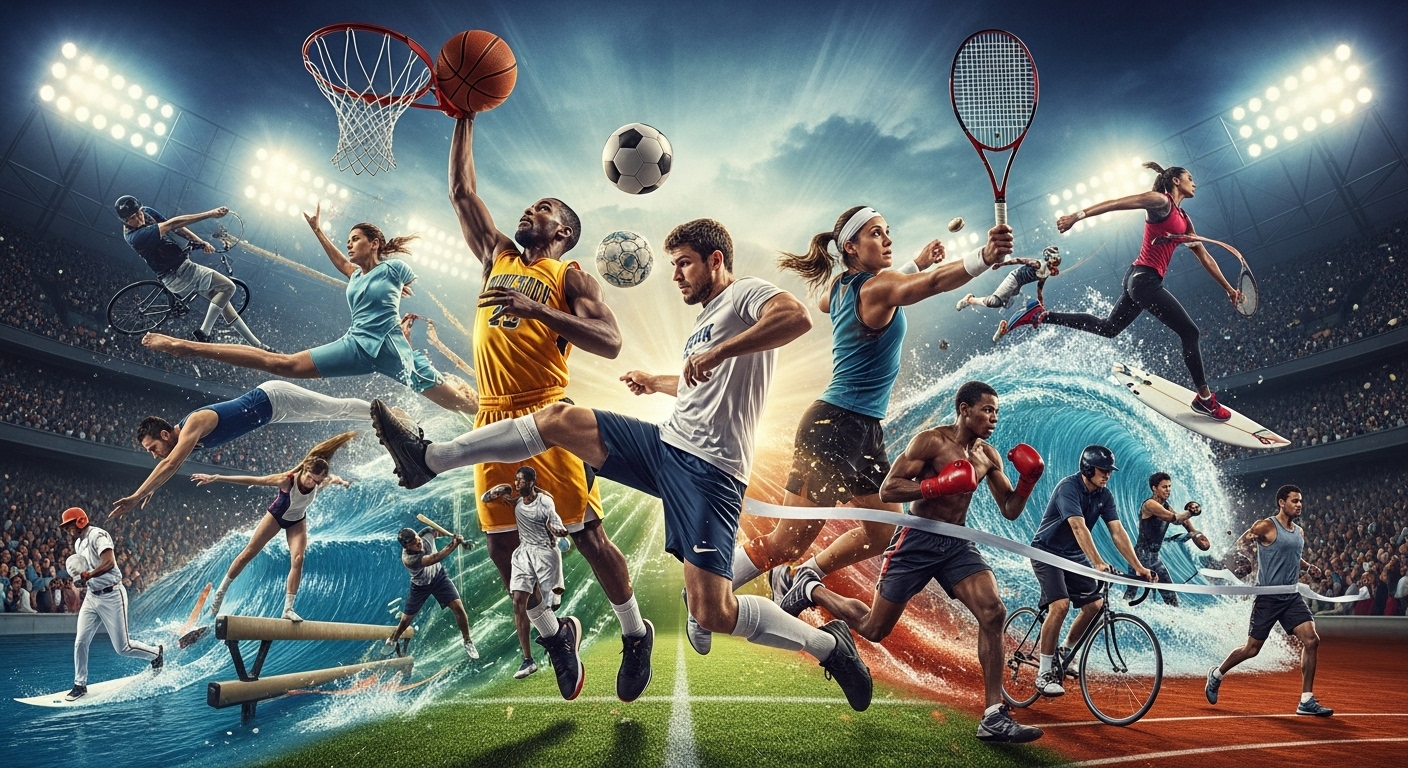
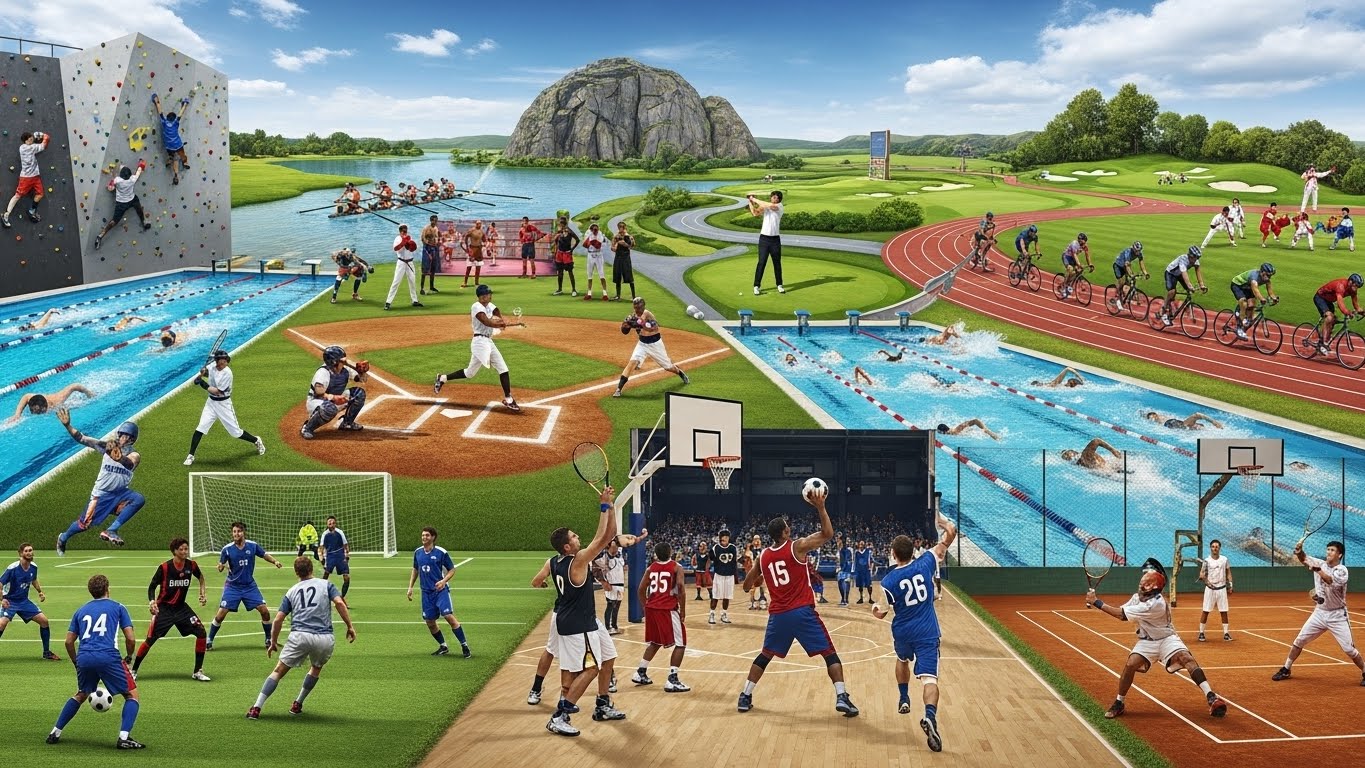
Sports have always been an integral part of human civilization, transcending borders, cultures, and generations. From ancient Olympic Games in Greece to modern-day global tournaments, sports are far more than a form of entertainment; they represent a medium through which individuals and societies can achieve physical excellence, mental resilience, and social unity. The influence of sports extends beyond mere physical activity. It shapes character, inspires communities, and even impacts economic and cultural development on a global scale. In this blog post, we will explore the multifaceted significance of sports, examining how it affects individuals, societies, and the world at large.
The Physical Benefits of Sports
At its core, sports are fundamentally about physical activity. Engaging in sports improves cardiovascular health, enhances muscular strength, and increases flexibility and endurance. Regular participation in physical activities reduces the risk of chronic diseases such as diabetes, hypertension, and obesity. Moreover, sports promote a healthy lifestyle, teaching individuals the importance of discipline in maintaining body fitness. Beyond the obvious physical benefits, sports also improve coordination, balance, and reflexes. For children and adolescents, being active in sports is crucial for proper physical development, while for adults, it serves as a means to combat sedentary lifestyles.
Mental and Emotional Growth Through Sports
Sports are not just about physical health; they play a critical role in mental well-being. Participation in sports has been shown to reduce stress, anxiety, and depression by releasing endorphins, commonly known as the “feel-good hormones.” Mental resilience, a key outcome of sports, is developed through challenges faced during training and competitions. Learning to cope with losses, setbacks, and failures fosters emotional intelligence, patience, and perseverance. Team sports, in particular, help individuals develop communication skills, empathy, and social understanding. These attributes often translate into personal and professional success, as sports teach individuals how to handle pressure, work collaboratively, and set realistic goals.
The Role of Sports in Social Integration
Sports have a unique ability to bridge social and cultural divides. Regardless of language, nationality, or socioeconomic background, people can come together to share their love for a game. Local communities often organize sports events that encourage interaction among individuals who might otherwise have little contact. Globally, international sporting events, such as the Olympics and World Cup, foster a sense of global citizenship, encouraging respect for different cultures and traditions. Moreover, sports have been a powerful tool in promoting inclusivity, especially for individuals with disabilities. Adaptive sports programs provide opportunities for people of all abilities to participate, break barriers, and gain recognition.
The Economic Impact of Sports
Beyond personal and social benefits, sports significantly impact the economy. Professional sports generate billions in revenue worldwide, from ticket sales and merchandise to sponsorships and media rights. Hosting large sporting events can stimulate local economies, creating jobs, improving infrastructure, and boosting tourism. In many developing nations, sports serve as a pathway for social mobility, providing talented individuals the opportunity to achieve financial stability and recognition. Additionally, the sports industry fuels related sectors such as fitness equipment, sports apparel, broadcasting, and advertising, contributing to broader economic growth.
Sports as a Tool for Education and Character Building
Sports have long been recognized as an essential component of education. Participation in school and college-level sports cultivates essential life skills, including time management, discipline, teamwork, and leadership. Coaches play a critical role in mentoring young athletes, instilling values such as fairness, accountability, and perseverance. Research suggests that students who actively engage in sports tend to perform better academically because the focus, discipline, and work ethic developed through sports often translate into their studies. Sports also teach the importance of goal setting, strategic thinking, and decision-making, preparing individuals to face life’s challenges with confidence.
Cultural Significance and National Pride
Sports often serve as a reflection of culture and a source of national pride. Countries invest heavily in nurturing talent, as victories in global competitions often translate into international recognition and prestige. Iconic athletes become cultural icons and role models, inspiring millions to pursue excellence in their chosen fields. Traditional sports also carry cultural significance, preserving historical practices and rituals while promoting community cohesion. In many societies, sports festivals are deeply intertwined with cultural celebrations, providing a platform to honor heritage and strengthen societal bonds.
The Evolution of Sports Through Technology
Technological advancements have dramatically transformed the world of sports. From performance analysis tools to wearable fitness devices, technology enhances training, reduces injury risks, and optimizes athletic performance. Broadcasting innovations allow fans worldwide to engage with sports in real time, expanding the global reach of games and tournaments. Social media platforms give athletes a direct voice, enabling them to inspire audiences and promote social causes. Even e-sports have emerged as a legitimate sporting domain, demonstrating how technology continues to redefine what constitutes athletic competition.
Sports and Personal Identity
Engaging in sports contributes to the formation of personal identity. Athletes often describe their sport as more than a pastime; it becomes a defining element of who they are. The dedication, routines, and achievements associated with sports help individuals understand their strengths, weaknesses, and passions. Beyond professional athletes, recreational players also experience a sense of identity and belonging through sports communities, whether it is a local football club, running group, or martial arts dojo. This personal connection to sports reinforces self-esteem, purpose, and emotional stability.
Challenges and Controversies in Sports
Despite the many positive aspects, sports are not without challenges. Issues such as doping, corruption, and unethical practices have at times tarnished the integrity of competitions. Inequalities in access, particularly for women and underprivileged communities, remain significant hurdles. Injuries and burnout are common risks that athletes face due to intense physical demands. Additionally, the commercialization of sports has led to debates about prioritizing profit over the spirit of the game. Addressing these challenges requires collective effort from governing bodies, coaches, athletes, and society to ensure sports remain fair, inclusive, and ethical.
The Future of Sports
Looking ahead, the future of sports is likely to be shaped by innovation, inclusivity, and sustainability. Emerging technologies will continue to revolutionize training, fan engagement, and injury prevention. Greater awareness of mental health and well-being will encourage holistic approaches to athlete care. Inclusion initiatives will aim to provide equal opportunities for women, individuals with disabilities, and marginalized groups. Moreover, environmental sustainability will become a crucial consideration in sports infrastructure, tournaments, and global events. Ultimately, the future of sports lies in balancing performance excellence with ethical responsibility, social inclusion, and environmental consciousness.
Conclusion: The Timeless Value of Sports
Sports hold a timeless and universal value that transcends age, culture, and geography. They enrich physical health, enhance mental resilience, foster social cohesion, drive economic growth, and promote cultural identity. Whether as a professional athlete, an amateur enthusiast, or a passionate fan, engaging with sports provides a unique blend of challenge, joy, and personal growth. Beyond medals and trophies, the true essence of sports lies in its ability to inspire, unite, and transform lives. As society continues to evolve, the role of sports will remain indispensable, reminding us that the pursuit of excellence, teamwork, and fair play is a journey worth cherishing for generations to come.