
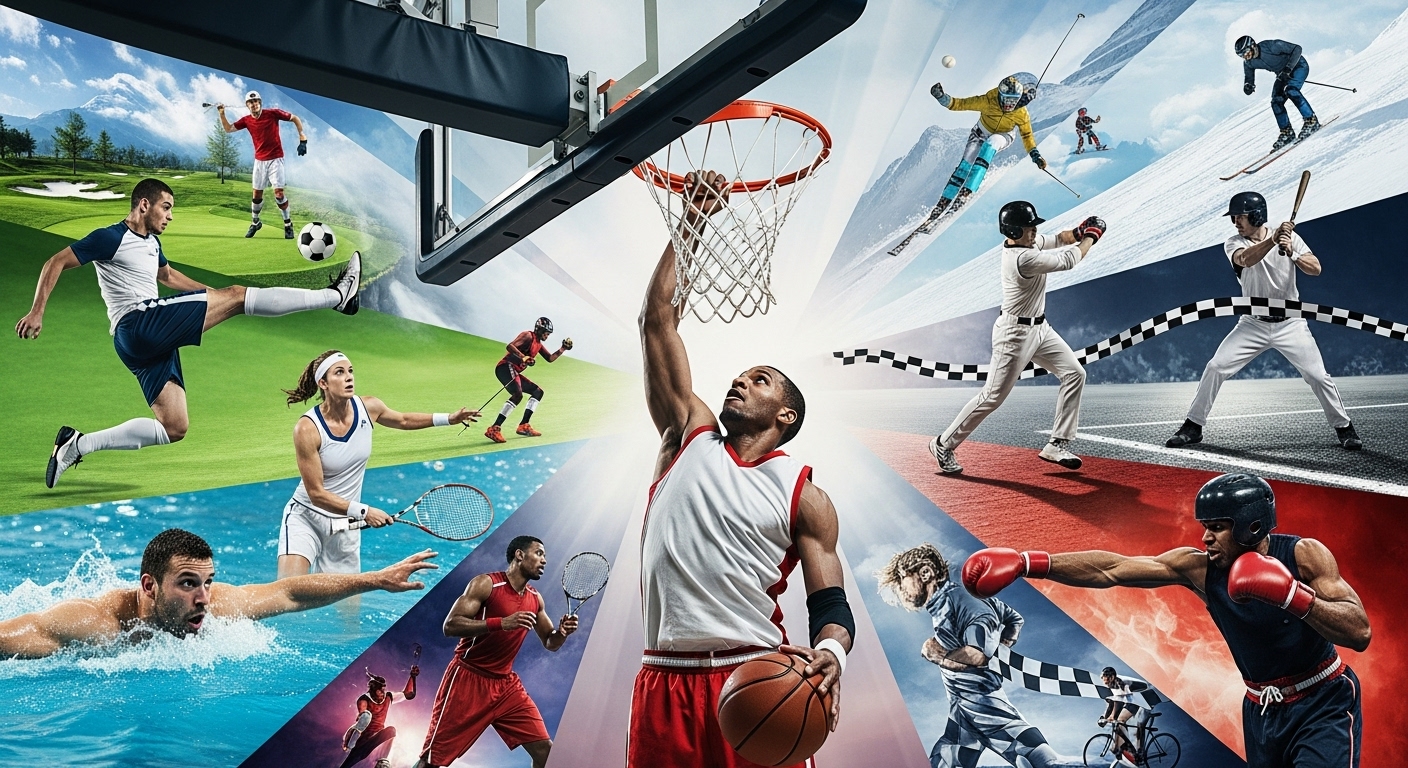
Introduction: The Universal Appeal of Sports
Sports are much more than games played on fields or courts. They are a universal language that transcends borders, cultures, and generations. From the roar of a stadium to the quiet focus of an athlete training alone, sports inspire passion, foster discipline, and create connections among people. They offer lessons in teamwork, perseverance, and resilience while providing entertainment and a sense of belonging. The impact of sports extends beyond physical activity, influencing mental health, social dynamics, and even economic systems. This article delves into how sports affect our lives, the growth of modern athletic culture, and why the love for competition is timeless.
A Brief History of Sports: From Ancient Times to Modern Competition
Sports have been part of human civilization for thousands of years. In ancient societies, physical competitions were often tied to religious rituals, military preparation, or community celebrations. Wrestling, running, archery, and primitive ball games were practiced worldwide as a way to demonstrate skill, endurance, and courage.
The ancient Olympic Games in Greece marked one of the first organized sporting events, featuring structured competitions and rules. Similarly, other civilizations across Asia, Africa, and the Americas developed unique athletic activities reflecting their culture and values. Over centuries, sports evolved into the organized, professional competitions we recognize today, with standardized rules, global participation, and massive audiences. While the methods and equipment have changed, the human desire to compete, improve, and succeed remains constant.
The Psychology Behind Sports: Why We Are Drawn to Competition
The appeal of sports is not purely physical; it taps into deep psychological needs.
Emotional Engagement: Watching or participating in sports creates strong emotional responses. Fans experience joy, disappointment, and suspense, mirroring the highs and lows of life.
Community and Belonging: Supporting a team or athlete fosters a sense of identity and connection. Fans celebrate victories together, share traditions, and form lifelong bonds based on shared passion.
Stories of Triumph: Sports are full of narratives that inspire. The underdog overcoming odds, a last-second goal, or a record-breaking performance teaches resilience, determination, and hope.
Mental Stimulation: Following strategies, analyzing gameplay, and predicting outcomes engage the brain. Sports challenge cognitive skills and provide intellectual entertainment beyond physical activity.
Modern Technology in Sports: Revolutionizing Performance and Experience
The integration of technology has transformed sports at every level. Athletes, coaches, and fans experience benefits previously unimaginable.
Training Enhancements: Motion capture, wearable sensors, and performance analytics allow athletes to track every aspect of their training. This data helps optimize technique, prevent injuries, and improve results.
Equipment Innovation: Modern sports gear, from lightweight bicycles to aerodynamic swimsuits, enhances performance and safety. Materials science and design advancements continually push the boundaries of what athletes can achieve.
Fair Play and Accuracy: Technologies such as instant replay, goal-line detection, and video-assisted refereeing ensure fair outcomes, although debates about their use continue among fans and professionals.
Fan Engagement: Digital platforms and high-definition broadcasts bring audiences closer to the action. Interactive apps, live commentary, and virtual experiences make sports accessible globally, enhancing the sense of community and excitement.
Economic Impact: The Business of Sports
Sports have evolved into a significant economic force. Professional leagues, international competitions, and sporting events generate billions of dollars annually.
Revenue Generation: Ticket sales, sponsorships, merchandise, and broadcasting rights fuel the sports industry. Star athletes often become global icons, influencing consumer trends and popular culture.
Youth Development Programs: Sports academies nurture young talent, providing training, mentorship, and educational opportunities. These programs create the foundation for future champions while promoting discipline and personal growth.
Global Fanbases: International competitions like the Olympics or the FIFA World Cup draw millions of viewers worldwide. These events foster cultural exchange, build national pride, and promote tourism and commerce.
Physical and Mental Health Benefits of Sports
Participating in sports improves both physical and mental well-being.
Physical Fitness: Regular sports activity strengthens the cardiovascular system, improves flexibility, builds muscles, and enhances endurance. It also reduces the risk of chronic illnesses such as obesity, diabetes, and heart disease.
Mental Well-Being: Sports reduce stress, improve focus, boost self-esteem, and enhance mood. They teach resilience, patience, and decision-making skills while promoting a balanced lifestyle.
Community Wellness: Local sports clubs and recreational programs encourage active participation, creating healthier communities and offering opportunities for social engagement.
Women in Sports: Challenging Norms and Inspiring Generations
Women’s participation in sports has increased significantly over the past decades, reshaping societal expectations and breaking stereotypes.
Visibility and Recognition: Female athletes and leagues are gaining prominence globally, inspiring young girls to pursue sports with confidence.
Role Models: Women in sports exemplify leadership, strength, and perseverance, motivating future generations to aim high and challenge traditional barriers.
Cultural Impact: The success of women athletes promotes gender equality, empowers communities, and encourages inclusive participation at all levels of sports.
The Dynamics of Team Sports: Strategy, Collaboration, and Unity
Team sports like football, basketball, hockey, and cricket demonstrate the importance of cooperation, strategy, and leadership.
Teamwork and Coordination: Success in team sports relies on collaboration, trust, and effective communication among players. Individual talent alone is not enough; synergy is key.
Leadership and Guidance: Coaches and captains play a vital role in strategy, motivation, and decision-making during high-pressure moments.
Community Identity: Teams often represent cities, schools, or nations, creating a shared sense of pride and fostering community cohesion.
The Power of Individual Sports: Discipline, Focus, and Personal Growth
Individual sports such as tennis, athletics, swimming, and gymnastics highlight personal skill, dedication, and mental strength.
Self-Responsibility: Athletes are accountable for their performance, which teaches discipline, perseverance, and focus.
Mental Fortitude: Competing individually requires resilience, concentration, and emotional control under pressure.
Continuous Improvement: Athletes constantly strive to surpass personal records, honing physical and mental abilities and demonstrating lifelong commitment to excellence.
Sportsmanship: The Core Values of Athletic Competition
The essence of sports lies not only in winning but in ethical conduct, fairness, and respect.
Respect for Competitors: True competition values integrity, encouraging athletes to honor opponents and play honestly.
Grace in Victory and Defeat: Celebrating triumph with humility and accepting losses gracefully reflects character, teaching important life lessons.
Moral Lessons: Sportsmanship fosters qualities such as teamwork, empathy, fairness, and perseverance, which extend beyond the playing field into everyday life.
The Future of Sports: Innovation and Global Trends
The future of sports is poised for exciting transformations through technology, sustainability, and new forms of competition.
Artificial Intelligence and Data Analytics: AI helps athletes analyze performance, predict trends, and improve strategies, pushing the limits of human potential.
E-Sports and Virtual Competitions: Competitive gaming has become a major part of sports culture, attracting millions of participants and viewers worldwide.
Sustainability: Eco-friendly stadiums, energy-efficient events, and sustainable practices are becoming a priority, ensuring that sports remain responsible and environmentally conscious.
Global Connectivity: Advances in broadcasting and digital platforms will continue to connect fans, fostering an international community united by shared passion for sports.
Conclusion: Sports as a Reflection of Human Potential
Sports are a mirror of human ambition, resilience, and creativity. They teach lessons in discipline, teamwork, and perseverance while providing joy, excitement, and community connection. Whether it is a thrilling match, a personal milestone, or a story of determination, sports inspire individuals and societies to aim higher, push boundaries, and embrace challenges.
From local fields to global arenas, sports remind us that excellence comes from dedication, collaboration, and a willingness to overcome obstacles. They are not just games; they are a celebration of life itself—a testament to human potential and the shared spirit of competition that unites us all.