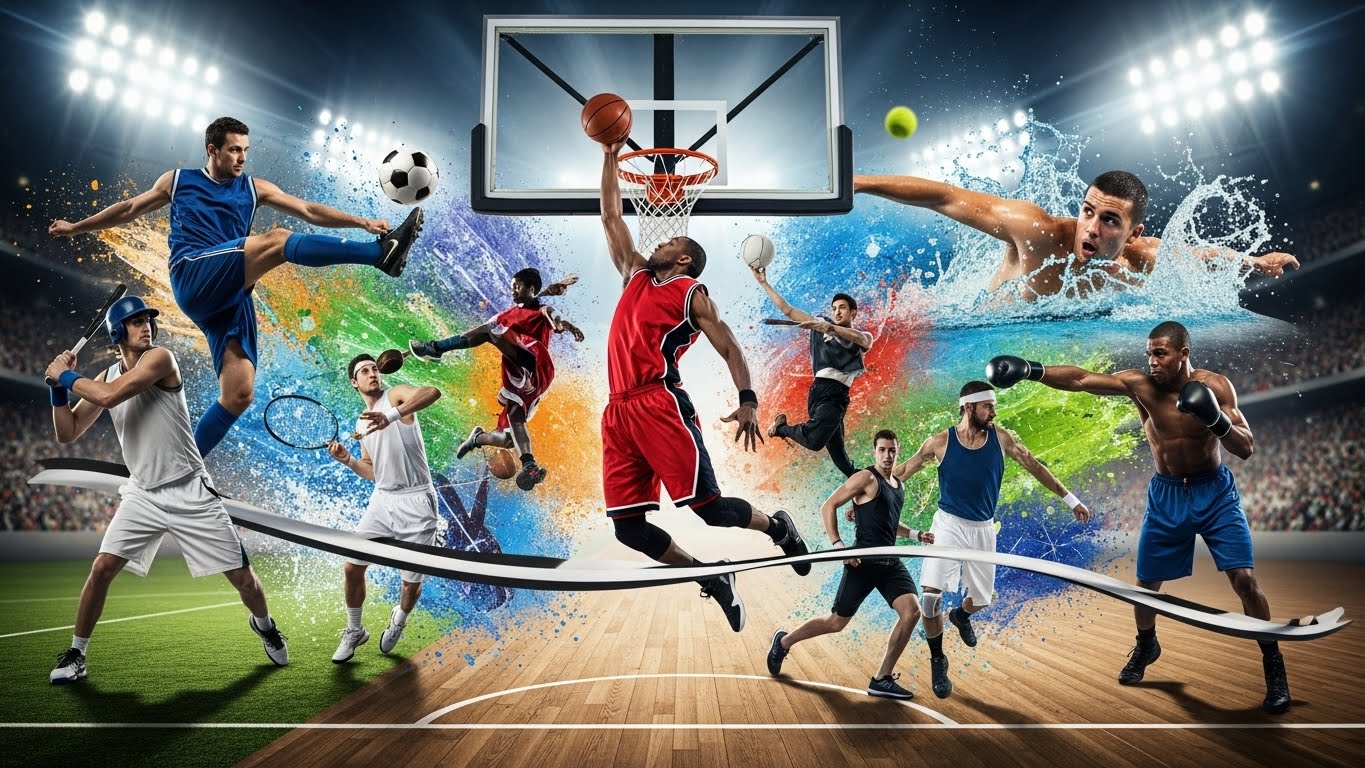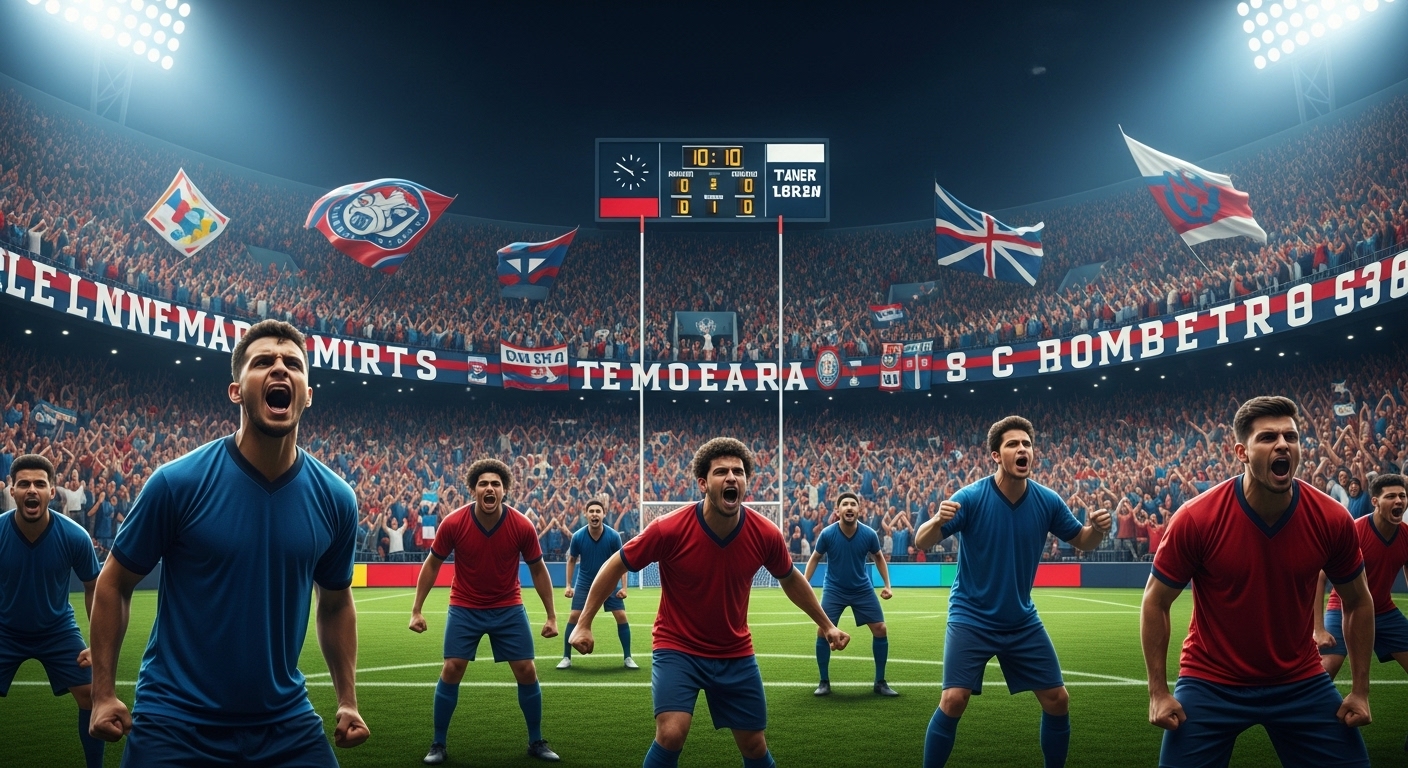
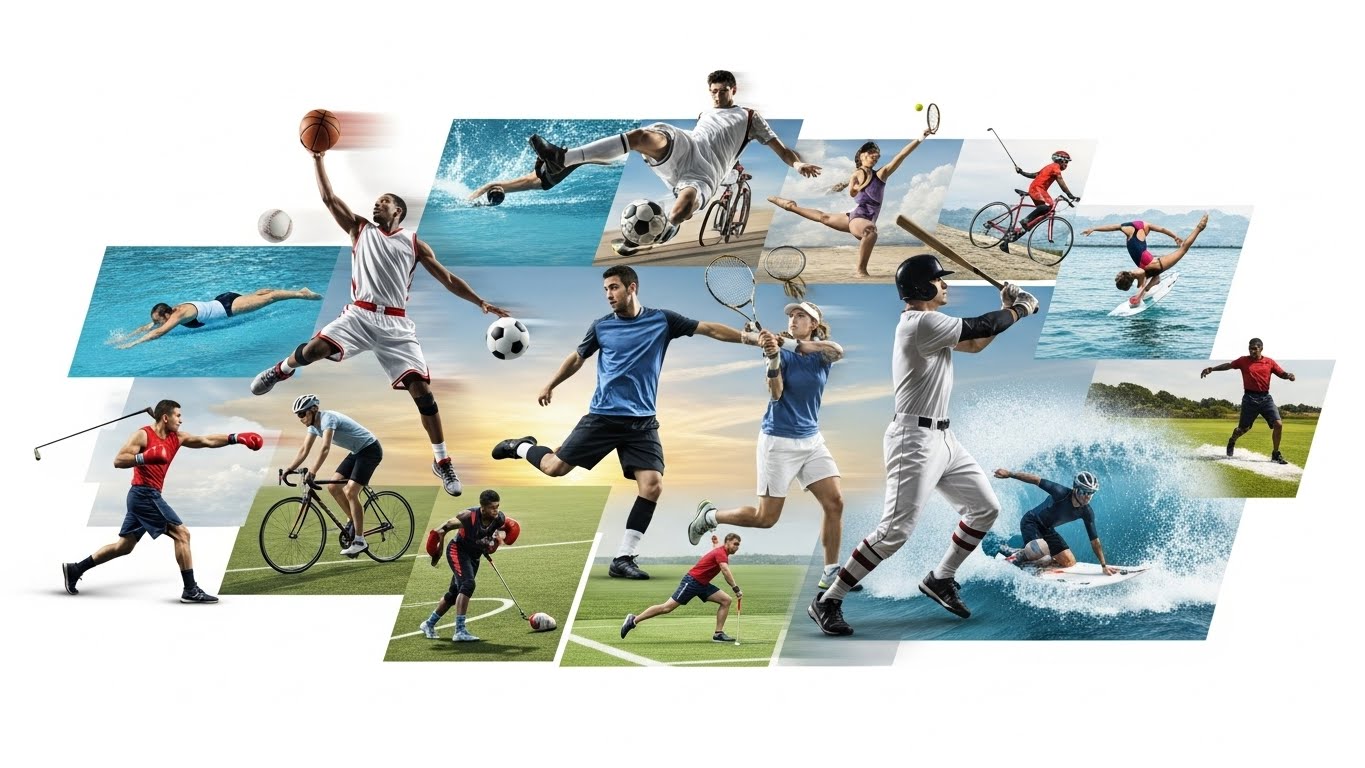
Sports are often considered the ultimate embodiment of human endurance, skill, and competition. They bring together individuals and teams to perform, conquer challenges, and inspire fans around the world. Whether it’s the adrenaline rush of a football game, the precision of a tennis match, or the collaborative force in a basketball game, sports have an undeniable impact on societies. But what if I told you that the true beauty of sports doesn’t lie solely in the physical performance or the outcome of the game? Let’s dive into the deeper significance of sports that goes beyond the obvious—touching on its psychological, social, and cultural influence on both players and spectators.
The Mental Game: The Hidden Skillset of Athletes
When most people watch a sporting event, they focus on the action: the speed of the runner, the power of the punch, or the precision of the shot. What often goes unnoticed is the intricate mental gymnastics that athletes must perform. Mental toughness is perhaps the most underrated skill in sports. It’s what separates champions from those who fall short despite having similar physical abilities.
Athletes must constantly manage stress, pressure, and self-doubt. The ability to maintain focus under immense pressure can make the difference between a victory and a defeat. Take, for example, a tennis player serving for the match or a basketball player shooting the final free throw in a tied game. The mental pressure in these moments is enormous. They must remain calm, process the situation in real-time, and execute flawlessly.
The mental aspect of sports extends beyond just managing nerves. There’s also the concept of ‘flow,’ a state where athletes are fully immersed in the moment and perform beyond their usual capacity. This mental zone is the ultimate expression of skill, where body and mind align perfectly.
Sports and Building Character: Lessons in Discipline, Leadership, and Teamwork
One of the most profound lessons that sports impart is character building. Playing sports teaches discipline, commitment, and perseverance—traits that are invaluable not just in the game, but in life itself.
Discipline is the cornerstone of any successful athlete’s career. Whether it’s waking up for early morning practice, following a strict training regimen, or maintaining a healthy diet, athletes must exhibit extraordinary discipline to stay at the top of their game. This quality resonates in everyday life as well. The discipline athletes develop helps them meet personal and professional goals, improve relationships, and maintain mental well-being.
Leadership is another critical skill developed through sports. Athletes often rise to leadership roles on the field, whether it’s captaining a football team or guiding others in training sessions. These leadership experiences teach responsibility, accountability, and how to inspire others. Leaders in sports motivate their teammates to perform at their highest potential, often making the difference between a good team and a great one.
Perhaps most significantly, teamwork is an indispensable skill learned in every team sport. In games such as football, soccer, or basketball, players learn that success isn’t achieved by individual performance alone, but through collective effort. Even the most skilled players understand that to win, they must trust their teammates, communicate effectively, and understand their roles. This sense of camaraderie builds deep connections and teaches athletes the importance of collaboration in both professional and personal spheres.
The Cultural Impact of Sports: Uniting Diverse Communities
Sports have the unique power to transcend geographic, linguistic, and cultural boundaries. On a global scale, they can unite people from various backgrounds, creating a common ground for both athletes and spectators. Events like the Olympics, the FIFA World Cup, and the Super Bowl attract millions of viewers from all corners of the world, regardless of their nationality or cultural differences.
One of the most powerful examples of sports’ unifying impact can be seen in countries where sports have become more than just a game; they are woven into the national identity. Soccer, for instance, is not just a pastime in countries like Brazil, Argentina, or Germany—it’s a way of life. In these countries, the passion and pride associated with sporting achievements bring communities together and foster a sense of national unity.
On a local level, sports also serve as a bridge between different communities. Youth sports programs, for instance, offer children from diverse socioeconomic and ethnic backgrounds the opportunity to interact and collaborate. This creates a microcosm of the world, where differences are celebrated rather than divided. Sports also have the power to challenge stereotypes and prejudices. For example, the integration of African American players into Major League Baseball in the United States during the 20th century was not just about athletic performance—it was about changing societal norms and paving the way for racial equality.
The Economics of Sports: A Multi-Billion Dollar Industry
There’s no denying that sports are a lucrative business. The economics surrounding professional sports are staggering, with the industry generating billions of dollars every year through television deals, ticket sales, merchandise, sponsorships, and endorsements.
Professional leagues like the NFL, NBA, and Premier League have multimillion-dollar broadcasting contracts, making the sport not just a form of entertainment, but a global business. Major sporting events such as the Super Bowl, FIFA World Cup, and Olympic Games also contribute immensely to local and global economies, generating revenue from tourism, hospitality, and merchandise sales.
Sports sponsorships have become one of the primary revenue streams for teams and athletes. Companies eager to promote their brands to millions of fans pay hefty sums for advertising rights. This has led to a rise in athlete endorsements, where famous sports figures become ambassadors for various brands, further blurring the line between sport and business.
At the grassroots level, sports also contribute to local economies. Youth sports programs, recreational leagues, and local events support a wide range of businesses, from sports equipment suppliers to gym owners and fitness instructors. The economic impact of sports goes beyond just professional athletes, creating job opportunities and promoting community development.
The Physical Health Benefits of Playing Sports
While we’ve been talking about the deeper, often unseen benefits of sports, let’s not forget that sports also play a significant role in physical health. Regular participation in sports helps improve cardiovascular health, build strength, and increase flexibility. The physical activity involved in sports helps combat lifestyle diseases such as obesity, diabetes, and hypertension.
For young people, participating in sports can be a fun and effective way to stay active and develop healthy habits early in life. As they grow, these habits become ingrained, leading to healthier lifestyles into adulthood.
Moreover, engaging in sports enhances motor skills and coordination. Sports such as swimming, tennis, or martial arts require high levels of precision and body control, which translate into improved overall physical fitness.
Sports also play a vital role in mental health. Physical activity has been proven to release endorphins—the body’s natural mood boosters. Regular participation in sports helps reduce stress, anxiety, and depression, making it a crucial tool in mental well-being.
The Future of Sports: Technology and Innovation
Looking ahead, the future of sports will undoubtedly be shaped by technology and innovation. From virtual reality training simulations to the use of artificial intelligence in analyzing player performance, the integration of technology is already transforming the sports landscape.
Wearable technology, such as smartwatches and fitness trackers, is allowing athletes to monitor their health and performance in real time. Coaches and teams are leveraging big data to devise more effective strategies and enhance player performance.
Additionally, advancements in broadcasting technology are offering fans immersive experiences, such as virtual reality (VR) and augmented reality (AR), that bring them closer to the action than ever before. The global accessibility of sports through streaming services means that fans can enjoy their favorite games from anywhere in the world.
The evolution of esports is another example of the growing influence of technology. Video games have become a global phenomenon, with professional leagues and tournaments offering lucrative prizes and attracting millions of viewers. Esports is quickly becoming a staple of modern sports culture, providing opportunities for gamers to achieve recognition and financial success.
Conclusion: The Power of Sports in Shaping the World
Sports are far more than just games. They are powerful forces that shape character, unite communities, and influence cultures. Whether it’s the mental fortitude required to compete, the teamwork needed for success, or the broader social impact of sporting events, sports have a profound influence on society.
Beyond the stadiums and arenas, sports are integral to the development of individuals, communities, and nations. They provide a platform for growth, expression, and unity. And in today’s increasingly globalized world, they will continue to inspire, challenge, and connect us all—on and off the field.
So, the next time you watch a game or lace up your shoes for a run, remember that the power of sports extends far beyond the physical; it touches our minds, our hearts, and our communities in ways that words often cannot capture.