
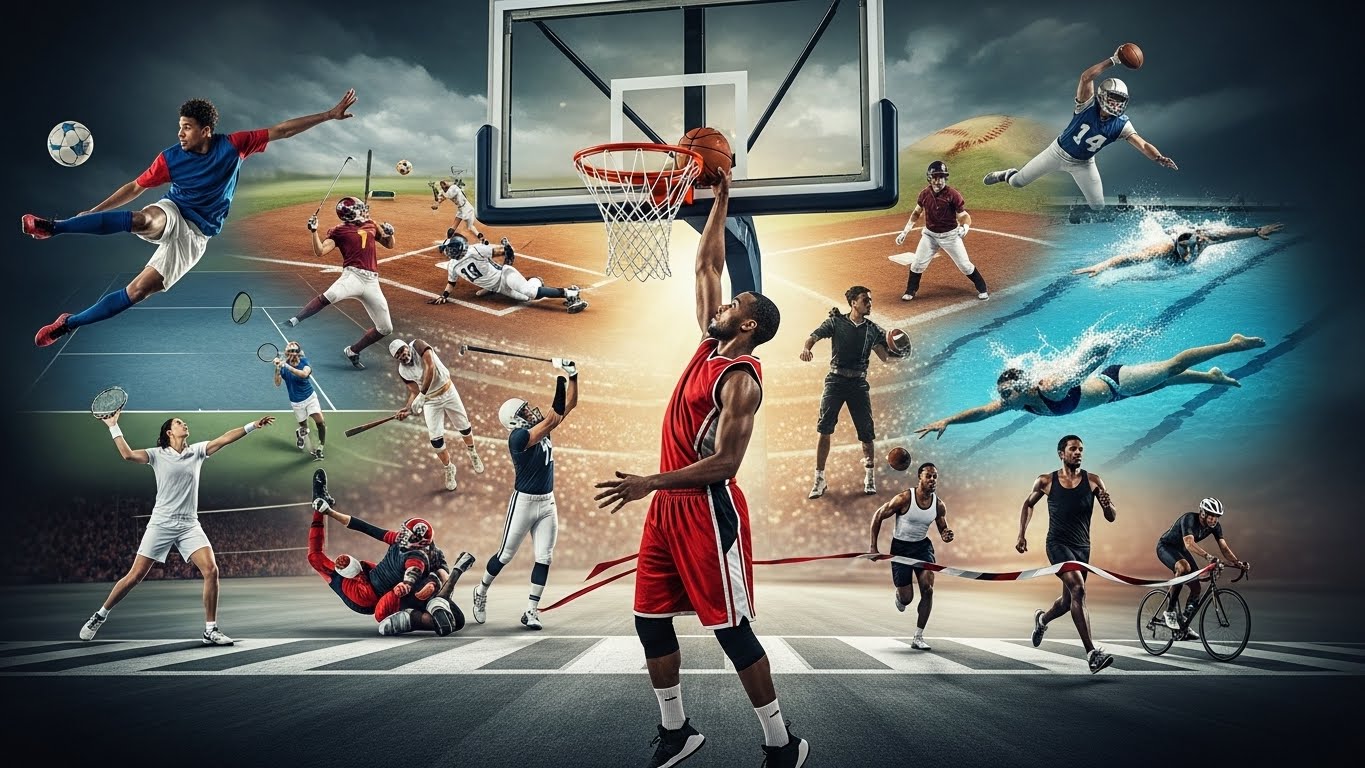
Introduction: Where Competition Meets Human Spirit
Sports have always been more than games. They are woven into the fabric of human culture, carrying stories of ambition, unity, struggle, and triumph. Across stadiums, playgrounds, and digital screens, sports ignite passion, trigger emotions, and unite millions. In today’s world, where technology advances at lightning speed and global communities are more connected than ever, sports have transformed into powerful experiences that shape identities and inspire generations. This blog explores how modern sports shape passion, performance, and people, and why their influence remains timeless.
The Evolution of Sports in the Modern Era
The definition of sports has dramatically expanded. While traditional games like football, basketball, cricket, and athletics continue to dominate, many new-age sports such as e-sports, mixed martial arts, and adventure sports have gained unprecedented popularity. This evolution mirrors society’s shift toward innovation, inclusivity, and broader expressions of physical and mental skill.
Athletes today are not just competitors; they are global icons, influencers, and role models. Their journeys are broadcast to millions, turning their stories of struggle, dedication, and resilience into global inspirations. Modern sports embody change—where women’s leagues gain visibility, adaptive sports challenge stereotypes, and technology enhances training and viewer engagement. The transformation reveals that sports no longer belong to a small segment of society; they belong to everyone.
The Psychology of Winning and Losing
Every sport thrives on the delicate tension between victory and defeat. It is in this tension that emotions are magnified and lessons are learned. Winning inspires confidence, pride, and validation, whereas losing teaches humility, reflection, and perseverance. Both outcomes shape the athlete’s mindset and contribute to emotional growth.
Sports psychologists emphasize that mental strength is as crucial as physical conditioning. The ability to remain calm under pressure, maintain focus, and push through adversity often separates champions from competitors. Athletes train their minds through visualization, meditation, and strategic thinking. For fans, witnessing these psychological battles makes sports even more compelling. The emotional rollercoaster of a tight match or a last-minute comeback reminds us of the resilience required not just in games, but in life itself.
Team Spirit: The Power of Unity
No matter the sport, teamwork stands as one of its greatest values. A championship-winning team does not rely solely on talent; it thrives on communication, trust, and coordination. Teammates learn to understand each other’s strengths, compensate for weaknesses, and share responsibility. This creates a collective identity stronger than individual performance.
Sports teach invaluable life lessons through teamwork. They encourage collaboration, leadership, and problem-solving. The most memorable victories in sports history were not achieved by a single player but by groups who believed in each other. Fans similarly form communities—supporting teams together, celebrating victories together, and recovering from heartbreak together. Unity becomes the true backbone of sports, both on and off the field.
Technology’s Role in Shaping Today’s Sporting World
Technology has revolutionized every aspect of sports. From training to broadcasting, data analytics to injury prevention, innovation enhances performance and elevates the fan experience. Coaches now rely on real-time insights to modify strategies, while athletes use wearable devices to track their physiology with precision.
Virtual reality helps players improve decision-making by simulating match-like scenarios. High-speed cameras allow for accurate officiating, reducing human error and ensuring fairness. For fans, digital platforms provide instant updates, immersive experiences, and interactive communities. Technology has effectively transformed sports from mere events into lifelong ecosystems of engagement.
The Rise of E-Sports and Digital Competitions
A decade ago, few could have predicted the explosive rise of e-sports. Today, competitive gaming stands shoulder to shoulder with traditional sports, drawing massive audiences and producing professional athletes with global followings. E-sports challenges conventional definitions of athleticism, emphasizing strategy, reflexes, mental stamina, and teamwork.
This digital revolution appeals to younger audiences, who find comfort and excitement in virtual arenas. E-sports tournaments fill stadiums, proving that passion is not limited to physical fields. The rise of digital sports represents a new avenue for global competition, as accessible to anyone with a device and determination.
Sports as a Universal Language
One of the most remarkable powers of sports is its ability to transcend barriers. People from different backgrounds, cultures, and beliefs cheer together for a common cause. In tense or divided times, sports often become a source of unity and healing. National teams inspire pride, local clubs create identity, and global tournaments connect humanity through shared emotion.
Sports events have historically played significant roles in diplomacy, peacebuilding, and social change. When athletes raise their voices for justice, equality, or environmental awareness, their influence reaches far beyond the stadium. Sports communicate messages that words alone sometimes cannot.
Health, Fitness, and Lifestyle Impact
At its core, sports are rooted in physical activity and wellness. They encourage fitness, discipline, and healthy routines. Whether played at a professional level or casually in a community field, sports promote cardiovascular health, muscle strength, and mental well-being.
The rise of fitness culture—driven largely by sports awareness—has encouraged millions to stay active and pursue balanced lifestyles. From children developing motor skills to adults finding stress relief, sports foster lifelong benefits. They instill habits of goal-setting, routine, and self-improvement that extend into every aspect of life.
Challenges Facing the Sporting World
Despite its many strengths, the world of sports is not without challenges. Issues such as doping, corruption, inequality, and commercialization occasionally overshadow the essence of fair play. The pressure on athletes, especially young ones, can lead to burnout or mental health struggles. Ensuring ethical conduct, transparency, and player welfare remains critical for the future of sports.
Moreover, the rapid commercialization of sports—while beneficial for growth—can sometimes shift focus from passion to profit. Balancing competitive integrity with entertainment value continues to be a delicate task for leagues, clubs, and governing bodies.
The Future of Sports: What Lies Ahead
The future of sports is dynamic, diverse, and innovative. We can expect further integration of technology, more inclusive participation, and stronger emphasis on athlete well-being. Women’s sports will continue to gain recognition, breaking barriers and setting new milestones. Adaptive sports will empower people with disabilities to compete at elite levels, promoting equality and visibility.
Climate-conscious sporting events may become more common, with organizations adopting sustainable practices. Hybrid competitions, blending physical and virtual experiences, could redefine fan engagement. Ultimately, the future of sports promises to be more accessible, global, and exciting than ever.
Conclusion: The Everlasting Impact of Sports
Sports are timeless because they speak to something universal within us—the desire to push limits, to belong, to express passion, and to grow. Whether you are an athlete, a coach, a fan, or simply someone who enjoys the thrill of competition, sports leave a mark on your life. They inspire ambition, teach resilience, and remind us of the power of human effort.
In a world that constantly evolves, sports remain a steady pulse of victory, unity, and emotion. They continue to shape cultures, connect communities, and inspire individuals to be their best selves. From childhood memories of playground games to global tournaments watched by millions, sports remind us that greatness is not defined merely by winning, but by the journey, the spirit, and the people who make it unforgettable.