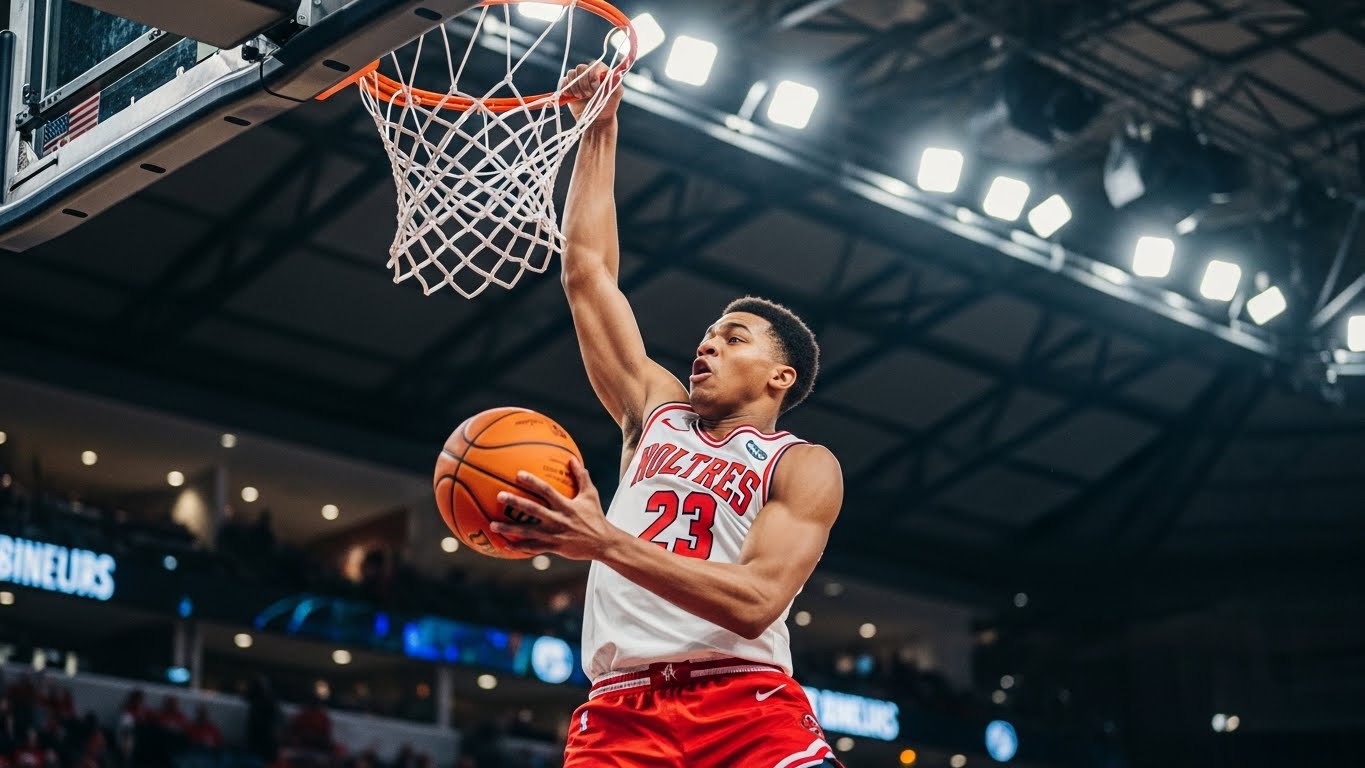

Introduction: The Universal Language of Sports
Sports are more than games played for victory or fame; they are a reflection of human energy, determination, and resilience. Across cultures and generations, sports unite people in a way that transcends language, race, and geography. Whether it is a child kicking a ball in the street or a professional athlete competing on the world stage, sports bring people together through shared emotion and purpose. They teach discipline, teamwork, and courage while providing a healthy escape from the complexities of modern life. In this fast-moving world, sports continue to hold a powerful position as a universal connector and a source of inspiration for billions.
The Historical Roots of Sports
The history of sports dates back to ancient civilizations. From the Olympic Games in ancient Greece to traditional martial arts in Asia, sports have been part of human civilization for centuries. They began as a form of physical training for warriors and soon evolved into social events that celebrated skill and endurance. The ancient Greeks introduced structured competition, laying the foundation for organized sports we see today. Over time, as societies developed, sports became an essential part of culture, education, and entertainment. Today, this historical connection reminds us that sports are deeply ingrained in our human identity.
Sports as a Symbol of Unity and Peace
One of the most remarkable aspects of sports is their ability to unite people. During major sporting events, such as world championships and the Olympics, millions of individuals from different backgrounds gather with a shared passion. Rivalries on the field often transform into friendships off it. Sports have been used as tools of diplomacy and peacebuilding. When athletes from rival nations compete respectfully, they send a message that cooperation and understanding can exist even in a world divided by politics or conflict. Sports remind humanity that beneath differences, there is a common rhythm that beats in all hearts—the love of play and competition.
The Role of Sports in Education and Youth Development
Sports play a vital role in shaping the character and values of young people. They teach essential life lessons such as teamwork, patience, leadership, and fair play. For students, sports encourage balance between physical activity and academic learning. Participation in sports helps build confidence and teaches how to handle both success and failure with grace. Schools and universities around the world promote sports not only for physical health but also for emotional and mental development. For many young people, sports serve as a path toward building lifelong friendships and discovering their true potential.
The Mental and Physical Benefits of Sports
Engaging in sports provides numerous physical and mental health benefits. Physically, it strengthens muscles, improves cardiovascular health, enhances flexibility, and boosts stamina. Mentally, sports act as a powerful stress reliever. Exercise releases endorphins, hormones that improve mood and reduce anxiety. Team sports, in particular, help individuals develop social skills and a sense of belonging. Moreover, regular participation in physical activities has been linked to better focus, sharper memory, and improved academic performance. In an age where sedentary lifestyles and digital distractions dominate, sports serve as an essential reminder of the importance of movement and balance.
Technology and the Evolution of Modern Sports
The modern world has witnessed a technological revolution that has transformed how sports are played, viewed, and managed. Advanced analytics, wearable devices, and artificial intelligence have redefined training methods and performance evaluation. Coaches now rely on data to understand player fitness levels, predict injuries, and design personalized training plans. Spectators enjoy immersive experiences through virtual reality, instant replays, and digital broadcasting. Moreover, social media platforms have brought fans closer to their favorite athletes, creating new forms of connection and engagement. Technology continues to bridge the gap between the playing field and the audience, making sports more inclusive and exciting than ever before.
Women in Sports: Breaking Barriers and Inspiring Change
For a long time, sports were considered a male-dominated arena, but women have shattered those barriers through sheer talent and determination. From track and field to football and cricket, women athletes have proven that strength, endurance, and skill know no gender. Their success stories inspire young girls worldwide to dream big and pursue sports without fear or limitation. The increasing visibility of women in sports has also challenged societal stereotypes and promoted gender equality. Today, female athletes not only compete at the highest levels but also serve as role models for leadership, empowerment, and resilience.
The Economic Impact of Sports
Sports are not only a source of entertainment but also a significant contributor to the global economy. Major tournaments generate billions through ticket sales, sponsorships, broadcasting rights, and merchandise. Cities that host international sporting events experience rapid infrastructure development and tourism growth. Sports also create employment opportunities for coaches, trainers, physiotherapists, journalists, and event managers. Additionally, sportswear and fitness industries thrive due to increasing public interest in active lifestyles. The economic ripple effect of sports extends beyond the stadiums, influencing multiple sectors and boosting overall development.
Challenges in the World of Sports
Despite their positive impact, sports also face numerous challenges. Issues such as doping, corruption, and unethical behavior threaten the integrity of competition. The pressure to win sometimes leads athletes to compromise their values and health. Moreover, the commercialization of sports has raised concerns about fairness and authenticity. Another pressing issue is the lack of accessibility and infrastructure in underprivileged communities, where talented individuals often go unnoticed due to limited resources. Addressing these challenges requires collaboration among governments, sports organizations, and communities to ensure that sports remain a true celebration of talent, ethics, and hard work.
The Emotional Power of Sports
Few things evoke emotion like sports. The thrill of victory, the pain of defeat, and the excitement of competition bring people together in a shared emotional experience. For many fans, sports offer an escape from daily struggles, a sense of identity, and a source of pride. Athletes often become symbols of hope, showing that dreams can be achieved through perseverance. The tears shed in defeat and the cheers in triumph reflect the raw emotions that make sports so captivating. It is this emotional connection that transforms simple games into unforgettable memories and lifelong passions.
The Future of Sports: Innovation and Sustainability
As we look to the future, sports are evolving toward greater innovation and sustainability. Eco-friendly stadiums, digital training platforms, and global inclusion initiatives are shaping the next era of athletics. Virtual competitions and e-sports are rising in popularity, attracting a new generation of athletes and fans. However, maintaining the true spirit of sports—honor, respect, and unity—remains essential. Future development should focus not just on technological progress but also on inclusivity and fairness. The future belongs to a sporting world where technology and tradition coexist harmoniously, ensuring that sports continue to inspire generations to come.
Sports and Cultural Identity
Sports often serve as a reflection of national identity and pride. Every country has its own traditional games that carry deep cultural meanings. These sports are more than competitions; they are celebrations of heritage and community. Whether it is kabaddi in South Asia, baseball in America, or football in Europe, sports give people a sense of belonging. They bring communities together and serve as symbols of unity in times of joy and struggle. In this way, sports preserve culture while adapting to global influences.
Conclusion: The Endless Spirit of Sports
Sports embody the essence of life—competition, joy, struggle, and triumph. They teach humanity to rise after failure, to respect opponents, and to strive for excellence. From playgrounds to grand arenas, sports continue to inspire hope, discipline, and courage. They remind us that while victories may fade, the lessons and memories endure. The world of sports will always evolve, but its core spirit—built on passion, unity, and perseverance—will never disappear. Sports will remain a timeless expression of human energy, bridging differences and igniting the flame of togetherness across the globe.