Introduction: Sports as a Universal Connector
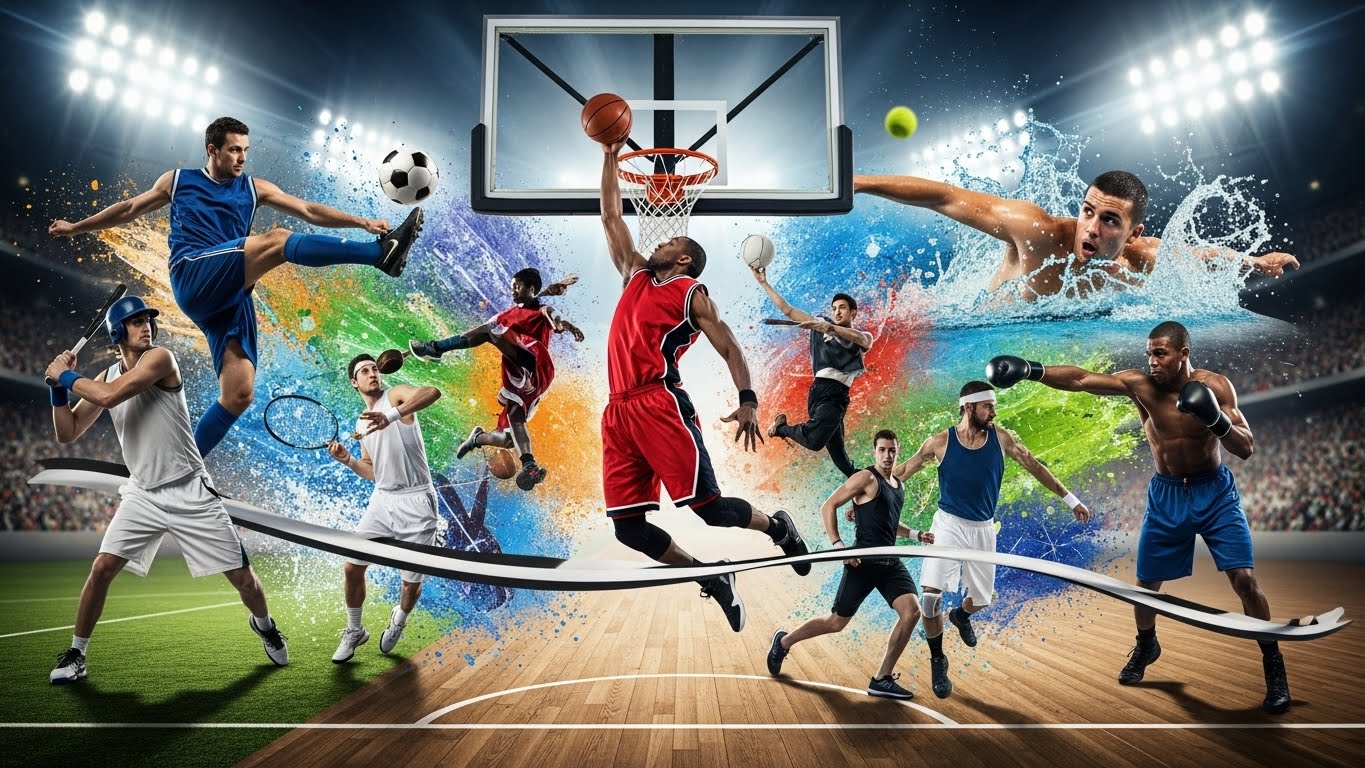
Sports are one of the most powerful forces in human society, transcending borders, languages, and cultures. They are not just physical contests or forms of entertainment; sports are a reflection of human determination, creativity, and resilience. From the excitement of a local match to the grandeur of global championships, sports captivate hearts and minds. They inspire individuals to push their limits, communities to come together, and nations to celebrate shared passions. The impact of sports extends far beyond the playing field, influencing physical health, mental well-being, social cohesion, and even economic growth.
The Physical and Mental Benefits of Sports
Engaging in sports offers profound physical benefits. Regular participation improves cardiovascular health, strengthens muscles, enhances flexibility, and helps maintain a healthy body weight. Physical activity also reduces the risk of chronic diseases such as diabetes and hypertension. Beyond the body, sports play a crucial role in mental health. They reduce stress levels, combat anxiety and depression, and promote a positive mood. Participation requires focus, strategic thinking, and problem-solving, which sharpen cognitive abilities. Sports teach discipline, self-regulation, and resilience, helping individuals face challenges both on and off the field.
Team Sports: Lessons in Collaboration and Leadership
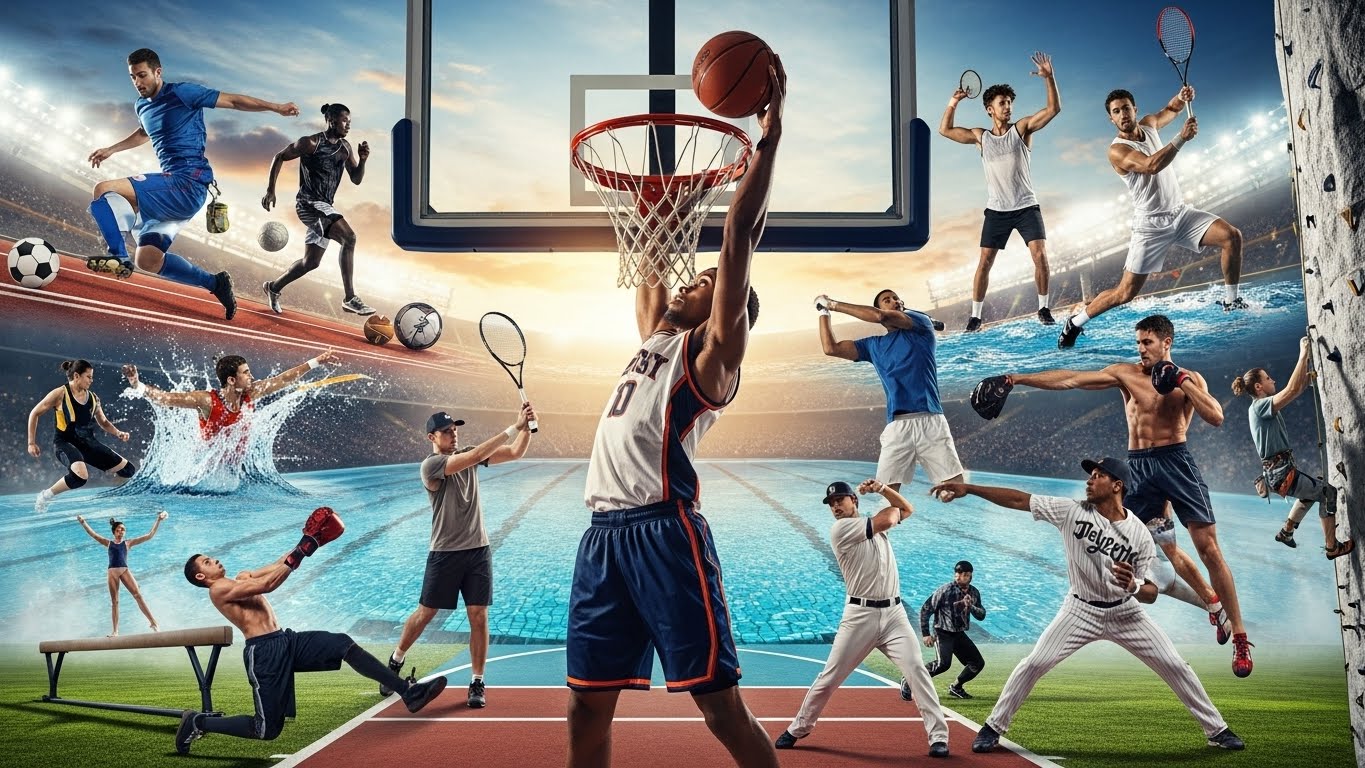
Team sports such as football, basketball, volleyball, and cricket emphasize collaboration and leadership. Players learn to communicate effectively, share responsibilities, and support one another toward a common goal. Leadership emerges naturally, as team members take initiative, motivate their peers, and make strategic decisions under pressure. Working as part of a team fosters a sense of belonging and community, teaching athletes the value of empathy, cooperation, and trust. These lessons translate into professional and personal life, helping individuals become effective collaborators and leaders.
Individual Sports: Building Self-Discipline and Resilience
While team sports focus on collaboration, individual sports such as tennis, swimming, athletics, and gymnastics emphasize personal accountability. Success in these sports relies on self-discipline, focus, and consistent effort. Athletes learn to set personal goals, monitor progress, and overcome setbacks. Individual sports cultivate mental strength, determination, and the ability to handle pressure independently. The achievements in personal milestones, whether beating a personal record or mastering a skill, instill confidence and a sense of accomplishment. These qualities empower individuals in every aspect of life, from academics to professional endeavors.
Sports and Cultural Identity
Sports are deeply intertwined with cultural identity. They reflect the traditions, values, and history of a society. Traditional sports preserve cultural heritage and connect communities with their roots. Martial arts in Asia, traditional wrestling in Africa, and indigenous games in the Americas offer insight into centuries of history and social norms. Global events such as the Olympics and World Cup transcend national boundaries, fostering unity and mutual respect. Sports allow people to celebrate diversity while creating a shared sense of pride and belonging, making them a powerful medium for cultural expression.
The Role of Sports in Education
Incorporating sports into education is essential for holistic development. Physical education programs in schools and colleges provide students with opportunities to build physical fitness, teamwork, and leadership skills. Sports teach students the value of hard work, perseverance, and ethical behavior. They enhance emotional intelligence by teaching how to handle victories and defeats gracefully. Participation in school sports also improves focus, memory, and cognitive skills, which positively impact academic performance. By integrating sports into education, institutions prepare students for challenges in both professional and personal life.
The Economic Influence of Sports
Sports have a significant impact on the global economy. They generate revenue through ticket sales, sponsorships, broadcasting, and merchandising. Major sporting events attract tourism, boost local businesses, and create employment opportunities. Athletes and sports-related industries contribute to entrepreneurship and innovation. The economic benefits of sports extend to infrastructure development, community programs, and youth engagement initiatives. Beyond money, sports foster social development, community pride, and opportunities for growth and recognition, making them an essential component of modern society.
Sports as a Catalyst for Social Change
Sports have historically been a platform for social change and activism. They break barriers, challenge stereotypes, and promote inclusivity. Athletes often use their platforms to raise awareness about social justice, gender equality, and human rights. Community-based sports programs provide youth with mentorship, opportunities, and safe spaces to grow. By encouraging participation across gender, ethnicity, and socio-economic backgrounds, sports promote equality and fairness. The unifying power of sports reminds society that dedication, skill, and character transcend differences, fostering cohesion and understanding among diverse populations.
The Psychological Thrill of Watching Sports
Watching sports is a uniquely emotional experience. Fans experience joy, suspense, disappointment, and pride, creating a strong emotional bond with their favorite teams and athletes. Spectatorship fosters a sense of belonging, as people come together to support a common cause. The unpredictability of sports adds excitement, and the shared experience of celebrating victories or enduring defeats strengthens social connections. Beyond entertainment, watching sports encourages empathy, admiration for effort, and appreciation for skill, enhancing the human experience and enriching cultural life.
Technological Advancements and the Future of Sports
Technology is revolutionizing the world of sports, transforming how athletes train, compete, and connect with fans. Innovations such as wearable devices, performance analytics, virtual reality training, and injury prevention systems improve athletic performance. Broadcasting technology and streaming platforms bring sports to audiences worldwide, making them more accessible than ever. Adaptive sports technologies enable people with disabilities to participate and compete, promoting inclusivity. The integration of technology ensures that sports continue to evolve, innovate, and inspire future generations while maintaining their universal appeal.
The Lifelong Lessons of Sports
Sports teach lifelong lessons that extend far beyond victories and trophies. They instill discipline, perseverance, teamwork, resilience, and leadership. Sports encourage self-reflection, personal growth, and the pursuit of excellence. They promote a healthy lifestyle, mental well-being, and social responsibility. For children, sports lay the foundation for character development; for adults, they provide opportunities to connect, compete, and challenge themselves continuously. The skills and values learned through sports often shape the trajectory of personal and professional life, proving that sports are a profound tool for human development.
Conclusion: Sports as a Cornerstone of Society
Sports are much more than games played on fields and courts. They are an integral part of human life, shaping individuals, communities, and societies. From improving physical and mental health to fostering leadership, teamwork, and social cohesion, the benefits of sports are endless. They celebrate cultural heritage, inspire social change, stimulate economic growth, and provide joy to millions around the world. Sports connect us to our past, enrich our present, and inspire the future. Engaging with sports, whether as participants or spectators, is a celebration of human spirit, determination, and unity. In every sense, sports are a reflection of the values, dreams, and aspirations that define humanity.