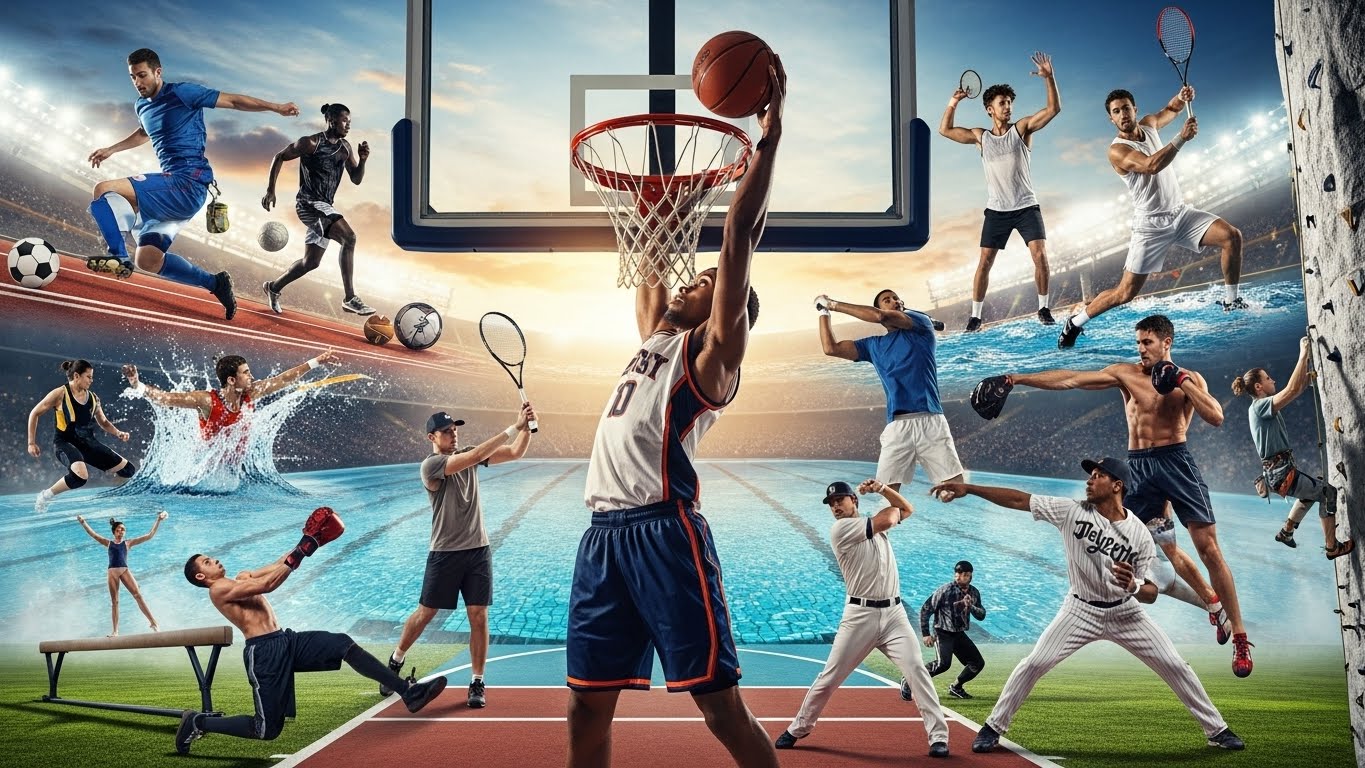

Sports have always been more than just a pastime or a form of entertainment. For centuries, they have played a pivotal role in shaping cultures, uniting communities, and fostering personal development. From ancient Olympic games to modern-day mega-events, sports have evolved into global phenomena, captivating millions of fans and inspiring countless athletes. However, their impact goes far beyond the thrill of competition. Whether it’s an individual challenge or a team effort, sports teach us valuable life lessons that resonate long after the final whistle blows.
The Mental Benefits of Sports: A Game for the Mind
While the physical advantages of sports are widely recognized—such as improved health, strength, and coordination—the mental benefits are just as crucial. Regular physical activity has been shown to reduce stress, combat anxiety, and alleviate depression. It enhances cognitive function, improving memory and focus. These mental perks extend far beyond the playing field, influencing how athletes perform in everyday situations. The discipline learned through regular training and competition helps develop resilience, focus, and determination—qualities that are essential for success in both personal and professional realms.
Team Sports: Building Bonds and Fostering Communication
One of the most powerful aspects of team sports is their ability to bring people together. Whether it’s football, basketball, soccer, or any other team-based sport, these games teach the importance of collaboration, trust, and communication. The synergy that develops between teammates is unlike any other experience, as athletes learn to rely on each other to reach common goals. Success in team sports hinges on collective effort and mutual support, fostering a sense of camaraderie that extends off the field.
In addition, team sports also help players understand the value of leadership and accountability. Every team member has a role to play, and fulfilling that role to the best of their ability is vital to the team’s overall success. These lessons translate into everyday life, teaching individuals how to work effectively with others, whether in the workplace, in social settings, or within family dynamics.
Individual Sports: Cultivating Self-Discipline and Personal Growth
On the other side of the spectrum, individual sports offer a unique opportunity for self-reflection and personal growth. Sports like tennis, swimming, running, and gymnastics put the spotlight on the individual athlete. These sports teach the importance of self-discipline, as athletes must push themselves to improve, often without the external motivation of teammates or coaches. In individual sports, the challenge is personal—success or failure is determined by one’s own effort and dedication.
This level of responsibility fosters a strong sense of self-awareness and accountability. Athletes are often forced to confront their weaknesses and learn how to push through adversity. It’s a powerful lesson in perseverance, as the journey to success in individual sports is often long and fraught with challenges. Overcoming these obstacles builds confidence and resilience, qualities that serve athletes well in all areas of life.
The Global Impact of Sports: Uniting People Across Cultures
Sports have a unique power to transcend cultural, political, and geographical boundaries. Major events like the FIFA World Cup, the Summer Olympics, and the Super Bowl draw millions of viewers from around the globe, uniting people through the shared love of competition. The universal appeal of sports creates a common language that connects fans and athletes from diverse backgrounds.
In many ways, sports act as a vehicle for diplomacy and peace-building. They have the ability to bring countries together, fostering mutual respect and understanding in ways that politics often cannot. For instance, the historic “Ping-Pong Diplomacy” between the United States and China in the 1970s is a prime example of how sports can bridge divides. The simple act of playing a game on an international stage can lead to greater understanding and cooperation between nations.
The Future of Sports: Evolution and Innovation
As technology continues to advance, the world of sports is undergoing a rapid transformation. From high-tech training equipment and performance analysis tools to virtual reality simulations, athletes now have access to an unprecedented level of resources that can enhance their performance. These innovations are reshaping how we approach training, competition, and even fan engagement.
Moreover, the rise of esports has brought a new dimension to the world of sports. Competitive video gaming has become a global phenomenon, attracting millions of viewers and offering a platform for gamers to showcase their skills. While traditional sports continue to dominate the landscape, esports represents a growing sector that speaks to a new generation of fans and players.
Conclusion: The Timeless Value of Sports
Whether it’s the rush of victory, the agony of defeat, or the lessons learned along the way, sports remain an integral part of the human experience. They shape our identities, teach us vital life skills, and connect us to others in profound ways. From the stadiums to the streets, the impact of sports reverberates far beyond the final score.
In the end, sports are not just about winning or losing—they are about the journey. They remind us of the power of persistence, teamwork, and the human spirit. Whether you’re an athlete, a fan, or someone just getting started, the lessons learned from sports can help you grow and thrive in every aspect of life.