
Introduction: The Role of Sports in Our Lives
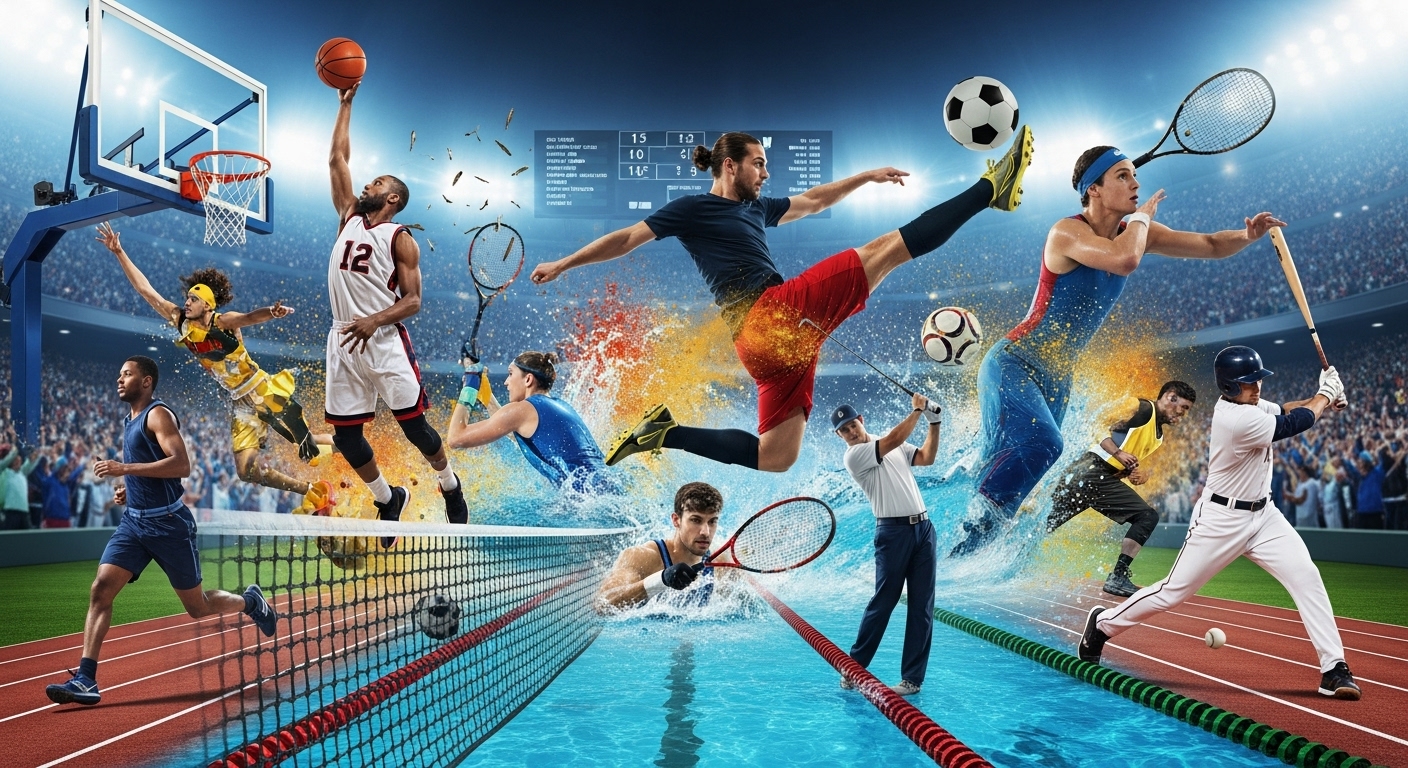
Sports have been a significant part of human culture for millennia, serving as more than just a form of entertainment. They are an integral part of society, influencing everything from our physical health to our sense of community. Whether it’s a local youth soccer match or a global event like the Olympics, sports bring people together, create lasting memories, and promote values that transcend boundaries. From a young age, we are taught the importance of teamwork, discipline, and resilience through sports. They inspire us to push our limits and aim for greatness. But sports do much more than that—they have the power to shape societies, spark social change, and unite people across the world in ways that no other activity can. In this blog, we will explore the profound impact sports have on individuals and communities, examining their role in shaping personal and collective identities, their health benefits, and the evolving nature of the sports industry.
Sports as a Cultural Force: Building Community and Identity
One of the most powerful aspects of sports is their ability to build community. No matter the sport, people around the world gather to support their teams, athletes, or countries, creating a sense of belonging and shared experience. Whether it’s cheering for a local team on a Friday night or watching the World Cup with millions of other fans, sports provide a common ground that connects people from diverse backgrounds.
At the heart of this connection is the sense of identity that sports foster. For many fans, their love of a team or sport becomes a central part of who they are. It can represent a shared history, tradition, or local pride. For instance, the people of Boston have long identified with the Red Sox, while Brazil and Argentina are synonymous with football (soccer) rivalry. These teams and their sports transcend the playing field, becoming a part of the cultural fabric of their respective communities. The success of a sports team often mirrors the collective triumphs and challenges of the community it represents.
Moreover, sports have an incredible ability to bridge cultural and social divides. A football match between two countries can serve as a powerful moment of national pride and unity, bringing together people of all races, classes, and backgrounds to celebrate a common goal. In some cases, sports have even been used to mend broken relationships. The iconic “Snowball Match” between the United States and the Soviet Union during the 1980 Winter Olympics, for example, is considered a symbol of the thawing of Cold War tensions. The power of sports to create a sense of unity and shared identity is one of the reasons why they remain such a powerful force in global culture.
The Health Benefits of Sports: More Than Just Physical Fitness
While the cultural and social importance of sports is undeniable, they also offer significant physical and mental health benefits. The role of sports in promoting physical fitness is well-documented—engaging in regular physical activity reduces the risk of chronic diseases such as heart disease, diabetes, and obesity. It also helps improve muscle strength, flexibility, and bone health, contributing to a longer and healthier life.
However, the benefits of sports go far beyond just physical health. Participating in sports promotes mental well-being by reducing stress, anxiety, and depression. Exercise releases endorphins, which are natural mood elevators, and the routine of regular training and competition can provide structure and purpose in people’s lives. Sports also teach valuable life skills like teamwork, time management, and perseverance, which can improve one’s overall quality of life. The psychological benefits of sports are especially important in today’s fast-paced and often stressful world, where people struggle to find time for themselves and focus on their mental health.
For children and adolescents, sports play a critical role in development. Not only do they help kids stay active and healthy, but they also teach valuable lessons about teamwork, discipline, and resilience. Youth sports programs often provide a safe and supportive environment for children to develop social skills and build confidence. Studies have shown that children who participate in sports tend to perform better academically and exhibit higher levels of self-esteem. Sports also provide an outlet for energy and aggression, which can help young people develop better emotional control and avoid negative behaviors.
Sports as a Vehicle for Social Change: Breaking Barriers and Promoting Equality
Sports have also played a pivotal role in advancing social change and challenging societal norms. From the civil rights movement in the United States to the global fight for gender equality, sports have been a platform for activism and resistance. Athletes have used their fame and influence to speak out on issues ranging from racial injustice to LGBTQ+ rights, helping to drive conversations and spark meaningful change.
Perhaps the most iconic example of sports as a tool for social change is the “Black Power” salute at the 1968 Olympics. American athletes Tommie Smith and John Carlos raised their fists in protest during the medal ceremony to draw attention to racial inequality and civil rights issues in the United States. Their silent protest became a symbol of resistance and solidarity for oppressed people around the world. Similarly, in the 21st century, athletes like Colin Kaepernick have used their platforms to take a stand against police brutality and racial injustice, sparking widespread debate and awareness about systemic inequality.
In addition to racial and political activism, sports have been instrumental in advancing gender equality. The rise of women’s sports, from the WNBA to the women’s national football teams across the globe, has challenged the traditional gender norms that once excluded women from competitive athletics. Female athletes like Serena Williams, Simone Biles, and Megan Rapinoe have become icons not only for their athletic achievements but also for their role in advocating for equal pay, better opportunities, and gender inclusivity in sports.
Sports have also helped to break down barriers for people with disabilities. The Paralympic Games, for example, have provided a platform for athletes with disabilities to showcase their talents and change perceptions about disability and ability. The rise of adaptive sports programs has allowed athletes of all abilities to participate in competition and achieve excellence, showing that sports are for everyone.
The Evolution of the Sports Industry: Technology, Commercialization, and Globalization
While the cultural, health, and social impact of sports is undeniable, the sports industry itself has undergone tremendous changes over the past few decades. The commercialization and globalization of sports have led to new opportunities and challenges for athletes, fans, and organizations alike. Television and digital media have revolutionized how sports are consumed, making it easier for fans to follow their favorite teams and athletes no matter where they are in the world.
The advent of streaming platforms, social media, and mobile apps has transformed how fans engage with sports, enabling them to watch live games, access behind-the-scenes content, and interact with other fans across the globe. This digital transformation has not only made sports more accessible but has also created new revenue streams for teams, sponsors, and broadcasters. Major sporting events like the FIFA World Cup and the Super Bowl now reach billions of viewers worldwide, turning them into global spectacles that generate billions of dollars in revenue.
However, this commercialization has also led to concerns about the integrity of sports. The rise of lucrative sponsorship deals, endorsements, and media contracts has made sports a big business, with increasing pressure on athletes to perform at the highest level. This has led to debates about the ethical implications of sports commercialization, including issues like athlete exploitation, doping, and the treatment of workers in sports industries.
Technological advances have also had a significant impact on how sports are played and officiated. Video-assisted refereeing (VAR) and instant replay have introduced new levels of precision and fairness to officiating, helping to ensure that the correct decisions are made in crucial moments. Wearable technology and performance analytics have changed the way athletes train and recover, while virtual reality and augmented reality are offering new ways for fans to experience sports in more immersive and interactive ways.
The Future of Sports: Innovation and New Frontiers
As we look to the future, the sports industry continues to evolve, with new technologies and trends shaping its trajectory. The rise of esports, or competitive video gaming, is one of the most exciting developments in recent years. Esports has quickly grown into a multi-billion-dollar industry, attracting millions of fans and players worldwide. Professional gaming leagues, tournaments, and streaming platforms have turned esports into a mainstream phenomenon, with competitive gaming now rivaling traditional sports in terms of viewership and commercial value.
Another emerging trend in sports is the increasing use of artificial intelligence and data analytics. Teams and athletes are leveraging AI to analyze performance data, gain insights into opponents’ strategies, and optimize training regimens. In the coming years, AI could become a critical tool for enhancing performance and ensuring better decision-making both on and off the field.
The global nature of sports will also continue to grow, with more international competitions, collaborations, and cross-cultural exchanges. As the world becomes more interconnected, sports will continue to act as a universal language that transcends borders, fostering global unity and collaboration.
Conclusion: The Lasting Impact of Sports
Sports are much more than games. They are a reflection of who we are as individuals and as societies. From creating communities to promoting health, from driving social change to fostering global unity, the impact of sports is profound and far-reaching. As technology continues to reshape the sports industry and new trends emerge, the power of sports to connect, inspire, and transform will only continue to grow. Whether as fans, athletes, or simply as participants, we all benefit from the positive influence sports have on our lives. The world of sports may continue to evolve, but its central role in our lives will remain constant.