
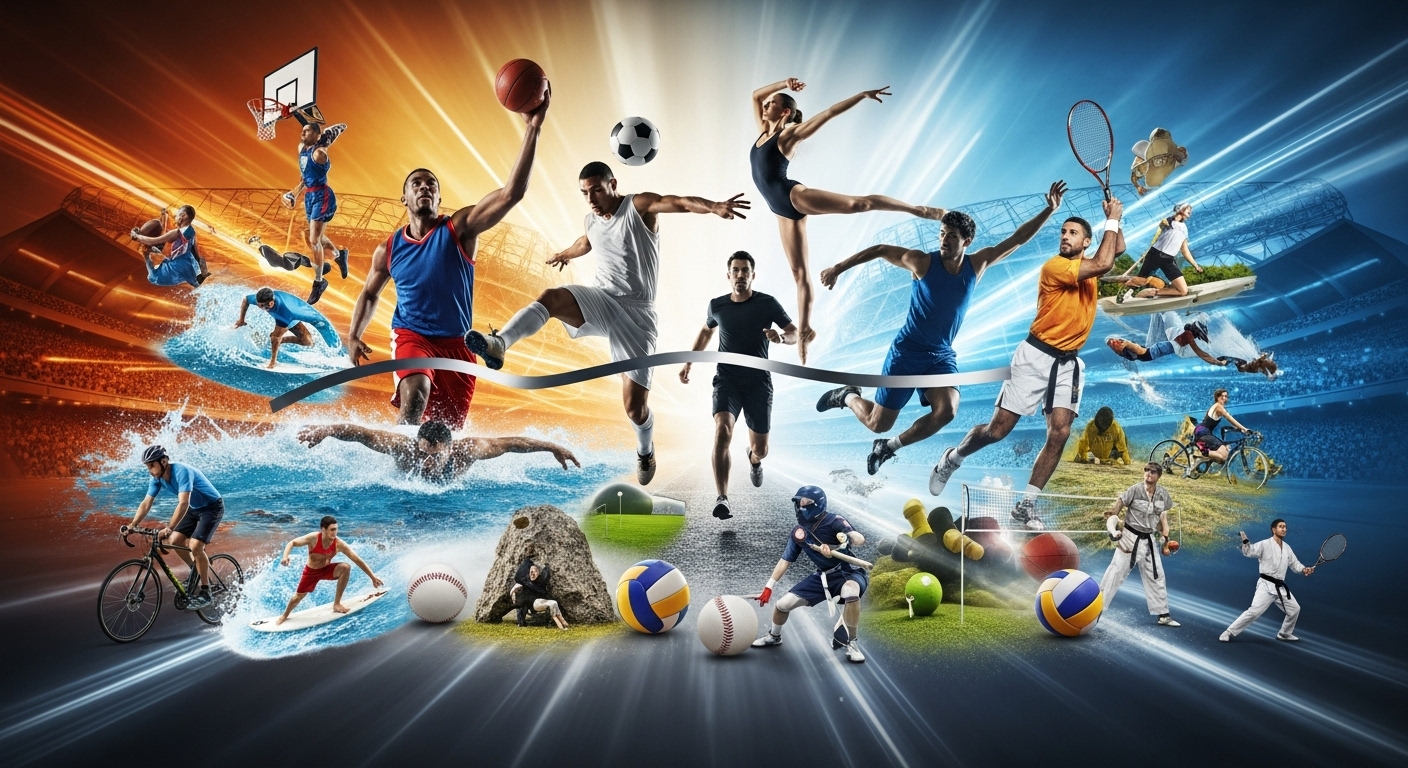
Sports are often viewed simply as a form of entertainment or a means of physical exercise. Whether it’s watching a high-stakes football match or playing a friendly game of tennis, we are accustomed to thinking of sports as a temporary escape from our daily routines. However, the impact of sports reaches far beyond just the game itself. From shaping individual character to fostering social connections, sports play an essential role in human development and the cohesion of societies. In this post, we’ll explore the broader, often overlooked influence of sports on our lives.
Sports as a Teacher of Discipline
At its core, sports teach discipline. The simple act of training, practicing, and improving in any sport requires consistent effort and self-regulation. This discipline is not confined to the playing field. Athletes must balance their training schedules, nutrition, rest, and mental preparation, all of which cultivate strong habits that carry over into other aspects of their lives.
For young athletes, these lessons are especially critical. From learning how to handle failure to understanding the importance of preparation, sports provide a structured environment for young people to grow. Through regular practice, athletes learn to persevere in the face of adversity, set long-term goals, and work towards achieving them with focus and dedication.
Sports as a Platform for Personal Growth
In addition to discipline, sports provide individuals with an opportunity for personal growth. They challenge players to push their limits, overcome fear, and face adversity head-on. Whether it’s scoring the winning goal in the final seconds of a match or completing a marathon, sports teach individuals how to conquer both physical and mental challenges.
Sports often bring out the best in people, showcasing traits such as resilience, determination, and the ability to stay calm under pressure. These are qualities that go beyond the game and are applicable to many areas of life. An athlete who learns to remain composed during a crucial moment on the field is likely to approach high-pressure situations in work or personal life with a calm and composed mindset.
Teamwork and Communication: The Heartbeat of Sports
One of the most powerful aspects of team sports is the opportunity for athletes to learn the value of teamwork. Whether it’s soccer, basketball, or volleyball, working together to achieve a common goal is at the heart of these games. Athletes must trust each other, communicate effectively, and work towards the collective success of the team.
Good communication, both verbal and non-verbal, is a critical skill in sports. Players must understand each other’s movements, strategies, and preferences to function effectively as a unit. The bonds created through teamwork and shared experiences often last long after the game ends, forming lifelong friendships and networks.
Moreover, the experience of contributing to a larger goal, as part of a team, fosters a sense of belonging and solidarity. It teaches individuals that success is not solely about personal glory, but about collaboration and collective effort.
The Social Impact of Sports
Sports have the ability to bridge gaps between people of different backgrounds, cultures, and beliefs. They provide a common ground where individuals can come together to celebrate their shared passion. This is why sports have such a profound impact on society, especially in terms of community building.
At the local level, sports help bring neighborhoods together. Amateur leagues and school competitions foster community pride, encourage youth participation, and provide spaces for social interaction. On a global scale, major international events like the FIFA World Cup and the Olympics transcend national borders, uniting people from across the world to celebrate athletic excellence.
In addition, sports provide a unique platform for addressing important social issues. Athletes, particularly those in the public eye, often use their influence to advocate for change, challenge societal norms, and raise awareness about pressing global concerns. Their efforts inspire millions, making sports not just a form of entertainment, but also a tool for social advocacy and progress.
Sports as a Gateway to Opportunities
For many, sports offer more than just a pastime; they present opportunities for personal and professional growth. Athletes who excel in their chosen sports may receive scholarships, travel the world, or even land professional contracts. For those from disadvantaged backgrounds, sports can provide a pathway out of poverty and a chance for a better life.
But the value of sports goes beyond the possibility of fame and fortune. The skills learned on the playing field—such as leadership, resilience, time management, and strategic thinking—are invaluable in any career. Employers value individuals who can work in teams, remain disciplined, and handle pressure, all qualities that athletes develop through their sports experience.
The Mental Health Benefits of Sports
In today’s fast-paced world, mental health is becoming an increasingly important topic. Sports play a significant role in improving mental well-being. Physical activity, in general, has been shown to reduce stress, anxiety, and depression, and sports take this a step further by adding a social and emotional dimension to exercise.
The sense of accomplishment that comes with improving in a sport—whether it’s beating a personal best or helping a team secure a victory—boosts self-esteem and provides a positive outlet for stress. Engaging in sports also offers an opportunity for individuals to disconnect from daily stresses, allowing them to focus their energy on something enjoyable and fulfilling.
Furthermore, the camaraderie experienced in team sports helps individuals feel connected and supported. This social aspect of sports is especially beneficial in combating feelings of isolation, which can negatively affect mental health.
Conclusion: More Than Just a Game
Sports have an undeniable influence on our lives, shaping our character, fostering social connections, and offering opportunities for personal and professional growth. They are not merely about competition or entertainment—they are a powerful tool for learning, development, and transformation. Through sports, we learn the importance of discipline, teamwork, and resilience. We discover our potential, form lasting relationships, and gain the confidence to face life’s challenges.
Whether it’s a professional athlete breaking records or a child playing in their neighborhood, the impact of sports extends far beyond the field. It is a universal force that shapes us, unites us, and inspires us to strive for greatness—both in sports and in life.