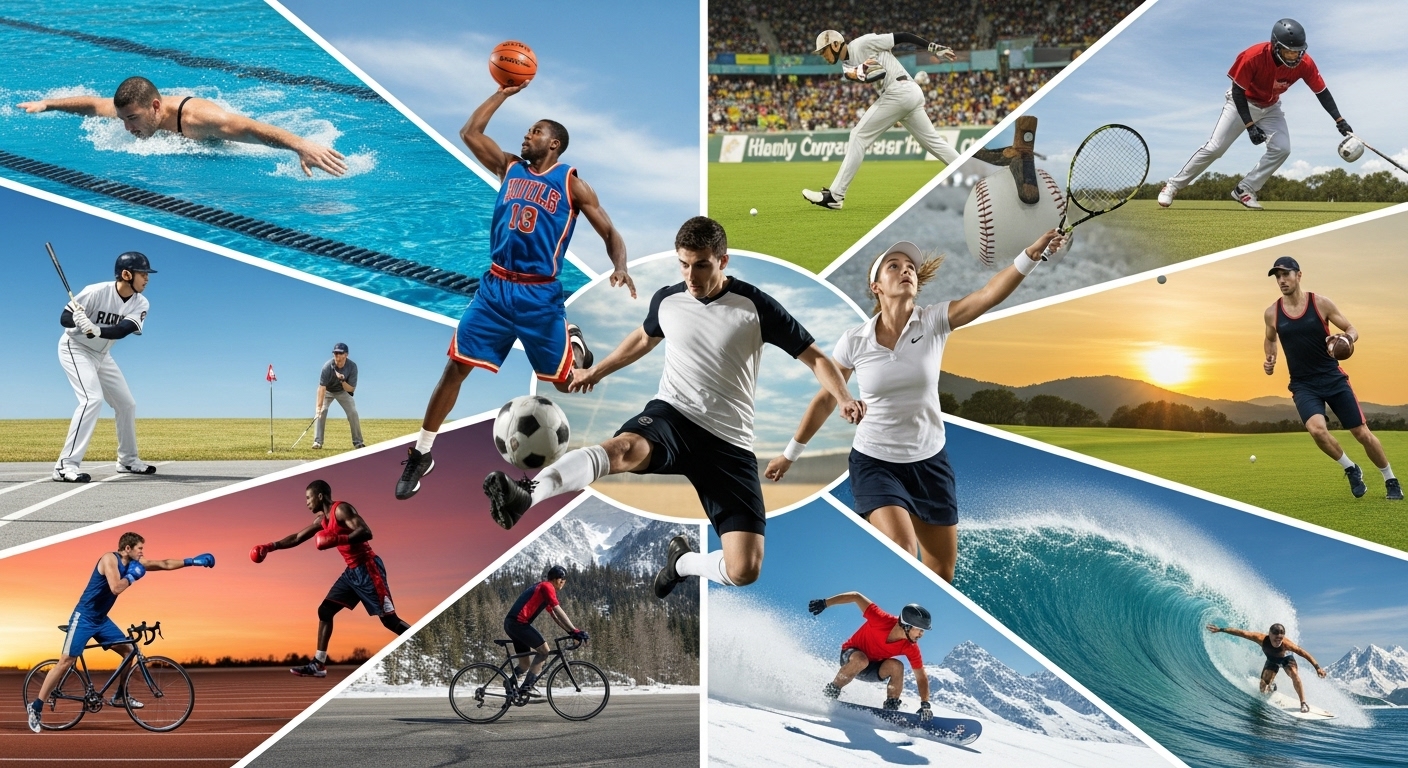
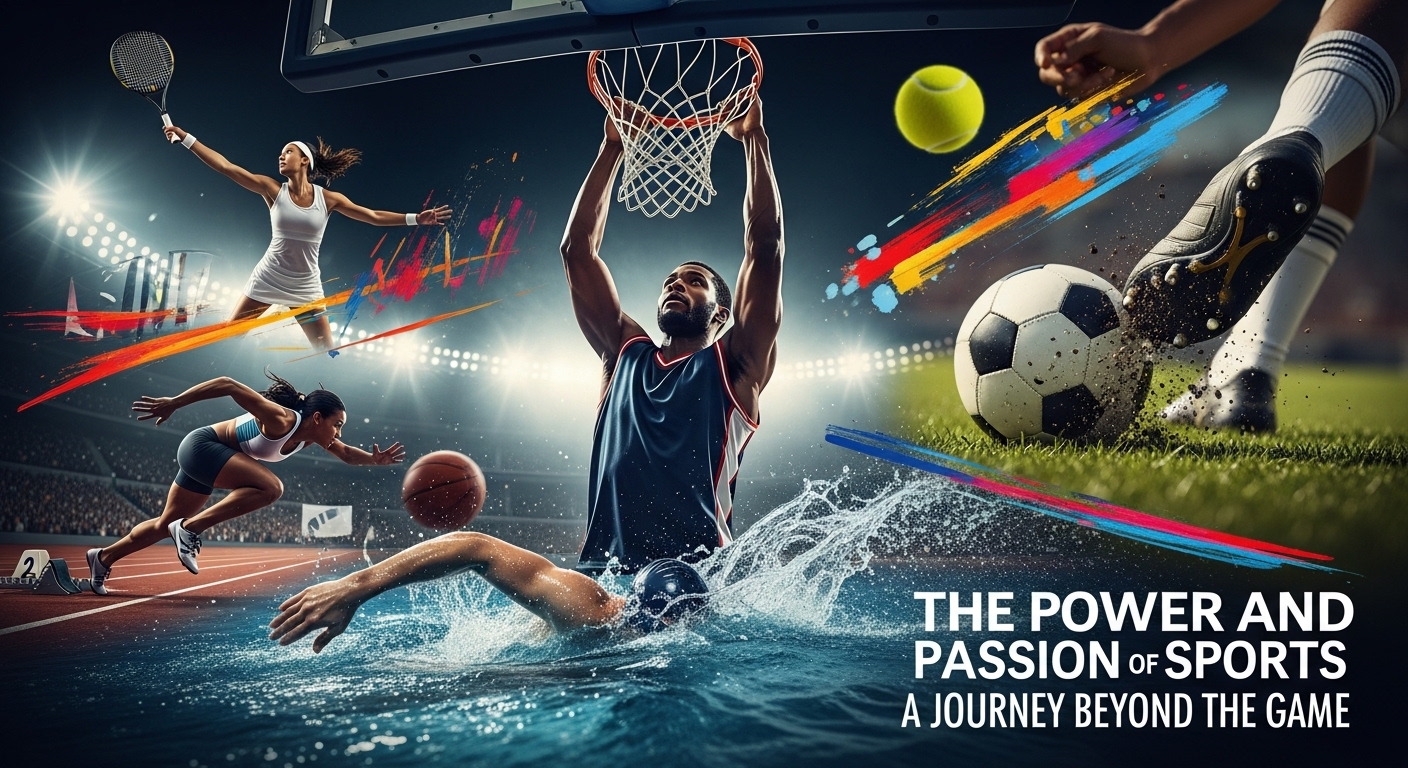
Sports have always been more than just physical contests or games played for entertainment. They represent a fundamental part of human civilization, transcending cultures, languages, and borders. From the ancient Olympic Games in Greece to modern-day global events like the FIFA World Cup and the Olympics, sports have connected humanity in ways few other things can. They embody the essence of discipline, teamwork, resilience, and ambition. Whether it is the roar of a crowd in a packed stadium, the quiet focus of an athlete preparing for a race, or the friendly competition among neighborhood players, the spirit of sports lives in every corner of the world.
The Historical Roots of Sports
The story of sports is as old as human history itself. In ancient civilizations, sports were not merely a form of recreation; they carried social, cultural, and even religious importance. The Greeks introduced the Olympic Games around 776 BCE, which celebrated physical excellence and honored their gods. In ancient Rome, gladiatorial contests and chariot races captivated thousands, combining sport and spectacle. Meanwhile, in China, activities like archery, martial arts, and horseback riding were part of both military training and cultural tradition.
Across Africa, traditional sports such as wrestling and running competitions have existed for centuries, fostering community and pride. In the Americas, indigenous tribes played various ball games that were tied to rituals and spirituality. Every culture had its form of athletic expression, proving that sports are deeply woven into the fabric of human society.
The Evolution of Modern Sports
The evolution of sports as we know them today began in the 19th century, especially in Europe and North America. During this period, sports were organized, codified, and standardized. Rules were written down, and governing bodies were formed to ensure fairness and consistency. Football (soccer), cricket, rugby, tennis, and baseball all developed structured forms during this time.
With the Industrial Revolution, people gained more leisure time, and sports became an important part of recreation and identity. Educational institutions, particularly in Britain, played a huge role in shaping modern sports culture. The idea that physical activity builds character and teamwork became deeply rooted, leading to the formation of clubs and national associations.
The 20th century witnessed the rise of professional sports, where athletes could dedicate their lives to training and competing. Mass media transformed sports into global spectacles. Radio, television, and eventually the internet brought games to millions of homes, allowing fans to follow their favorite teams and heroes across continents.
The Global Impact of Sports
Few things have the power to unite the world like sports do. Events such as the Olympics and the World Cup bring together athletes from diverse backgrounds and countries, showcasing not only competition but also friendship and mutual respect. These events remind the world that despite cultural and political differences, people share the same passion and love for competition.
Sports diplomacy has often played a key role in building international relationships. Historic moments like the “ping-pong diplomacy” between the United States and China in the 1970s or the unified Korean teams in the Winter Olympics highlight how sports can transcend political boundaries. They become symbols of peace and collaboration, creating bridges where politics often fail.
The Psychological Power of Sports
Sports are not only physical; they also deeply affect the mind. Psychologists have long studied the mental benefits of participation in sports. Playing or even watching sports can reduce stress, improve mood, and increase motivation. The sense of belonging that comes from being part of a team or a fan community boosts mental health and social connection.
For athletes, sports teach resilience and perseverance. Every loss is a lesson, every failure a step toward improvement. The psychological toughness built through sports often translates into other areas of life—helping individuals face challenges with courage and optimism.
Moreover, sports can be a therapeutic tool. Programs around the world use sports to rehabilitate people suffering from trauma, addiction, or social exclusion. The discipline, structure, and joy that come with physical activity often open paths to healing and personal transformation.
Sports and the Human Body
The connection between sports and physical well-being is undeniable. Regular participation in sports enhances cardiovascular health, strengthens muscles, improves flexibility, and maintains a healthy weight. But beyond fitness, sports also cultivate awareness of the body’s potential and limits. They encourage habits of care, nutrition, and self-discipline that benefit individuals throughout their lives.
Sports science has evolved into a sophisticated field, studying everything from biomechanics and nutrition to psychology and technology. The result has been an exponential improvement in human performance. Athletes today are stronger, faster, and more agile than ever before, thanks to advancements in training methods, recovery techniques, and data analytics. Yet despite this scientific precision, the essence of sports remains the same: the pursuit of excellence through human effort.
The Role of Sports in Society
Sports have a profound influence on societies around the world. They shape culture, identity, and even politics. For many nations, sports victories become symbols of national pride and unity. When a country wins an international championship, it can lift spirits, inspire future generations, and strengthen the collective sense of belonging.
At the same time, sports promote important values such as equality, inclusion, and fair play. Movements advocating for gender equality, racial justice, and disability rights have found strong voices within the world of sports. Female athletes have broken barriers and redefined perceptions of strength and capability. The Paralympic Games have shown the world that physical limitations do not define human potential.
In local communities, sports programs give young people positive outlets for energy, teamwork, and discipline. They reduce crime, foster education, and encourage healthy lifestyles. For many children, sports offer not only fun but also a path to a better future.
The Business of Sports
Today, sports are not just about competition—they are also big business. Professional leagues, sponsorship deals, broadcasting rights, and merchandise have turned sports into one of the largest industries in the world. Athletes are now global brands, influencing fashion, advertising, and social media. Major sporting events contribute billions to national economies through tourism, infrastructure, and commerce.
However, this commercialization also brings challenges. The pressure to perform can lead to ethical issues, such as doping, match-fixing, or corruption in management. The balance between money and integrity is a continuing debate in the world of professional sports. Despite these challenges, the industry continues to grow, adapting to new technologies and trends, from eSports to virtual fan engagement.
The Rise of Technology in Sports
Technology has revolutionized the way sports are played, watched, and experienced. Innovations like goal-line technology, video assistant referees (VAR), wearable fitness trackers, and data analytics have made sports more accurate and strategic. Coaches and athletes now rely on real-time data to enhance performance and prevent injuries.
Broadcasting has also evolved. Fans can now stream games from anywhere in the world, watch replays from multiple angles, and engage in virtual discussions online. Social media platforms allow athletes to connect directly with fans, creating new dimensions of interaction and engagement.
Even the way people play has changed. eSports, or competitive video gaming, has emerged as a global phenomenon, attracting millions of viewers and generating professional careers for players. While traditional sports focus on physical prowess, eSports highlight mental agility, strategy, and reflexes, expanding the definition of what sports can be in the digital age.
The Ethical and Social Challenges of Sports
While sports inspire greatness, they also face ethical challenges. Issues like performance-enhancing drugs, gender discrimination, corruption in sports federations, and exploitation of young athletes raise serious concerns. Balancing commercial interests with fair play and athlete welfare is one of the biggest challenges of modern sports.
Athletes themselves face immense pressure. The mental health struggles of professional players have recently gained attention, revealing the emotional toll of fame, expectation, and competition. Organizations are now placing greater emphasis on psychological support and work-life balance for athletes.
Moreover, sports must address inclusivity. Equal opportunities for women, people with disabilities, and marginalized communities are essential to ensure that sports truly reflect the diversity of humanity.
The Role of Fans in Sports
Fans are the heartbeat of sports. Their passion, loyalty, and energy create the atmosphere that makes every match memorable. The chants, the cheers, and even the heartbreaks are what transform a simple game into an emotional experience shared by millions. Fans build traditions, rivalries, and stories that last generations.
Supporters’ groups and fan clubs are also a powerful force for social good. Many organize charity drives, community events, and awareness campaigns. Through their collective energy, fans show that sports are not just about winning—they are about connection, culture, and celebration.
Sports as a Tool for Education
Sports are one of the most effective tools for education. Beyond physical skills, they teach discipline, leadership, communication, and cooperation. Schools that emphasize sports often see improvements in student engagement, focus, and academic performance. The lessons learned on the field—about teamwork, respect, and perseverance—become lifelong values.
Sports scholarships also open doors for students who might otherwise not afford higher education. They bridge social gaps, offering opportunities for personal and professional growth. In this way, sports continue to serve as a powerful equalizer in society.
The Future of Sports
The future of sports promises even more evolution. With advances in technology, analytics, and training, athletes will continue to break barriers and redefine limits. Sustainable and eco-friendly sports events are becoming a priority as the world becomes more conscious of environmental impact. The inclusion of new disciplines in global competitions reflects the changing interests of younger generations.
eSports and virtual reality are also expanding the scope of competition, blending physical and digital experiences. Meanwhile, the focus on inclusivity and mental health is reshaping the definition of success in sports—not only measured by medals or trophies but by well-being, balance, and contribution to society.
Conclusion: The Endless Game of Life
Sports are a mirror of life itself. They teach us about victory and defeat, joy and pain, effort and reward. Every athlete, from the amateur runner to the Olympic champion, embodies the spirit of humanity’s endless quest for excellence. Sports remind us that we are capable of more than we imagine, that together we can achieve greatness, and that respect, perseverance, and unity matter more than any score.
As long as humans dream, compete, and strive for better, sports will continue to thrive. They are not just games—they are expressions of who we are and what we can become. The fields, courts, and arenas may change, but the spirit of sports will forever remain a timeless celebration of passion, resilience, and human potential.