Introduction
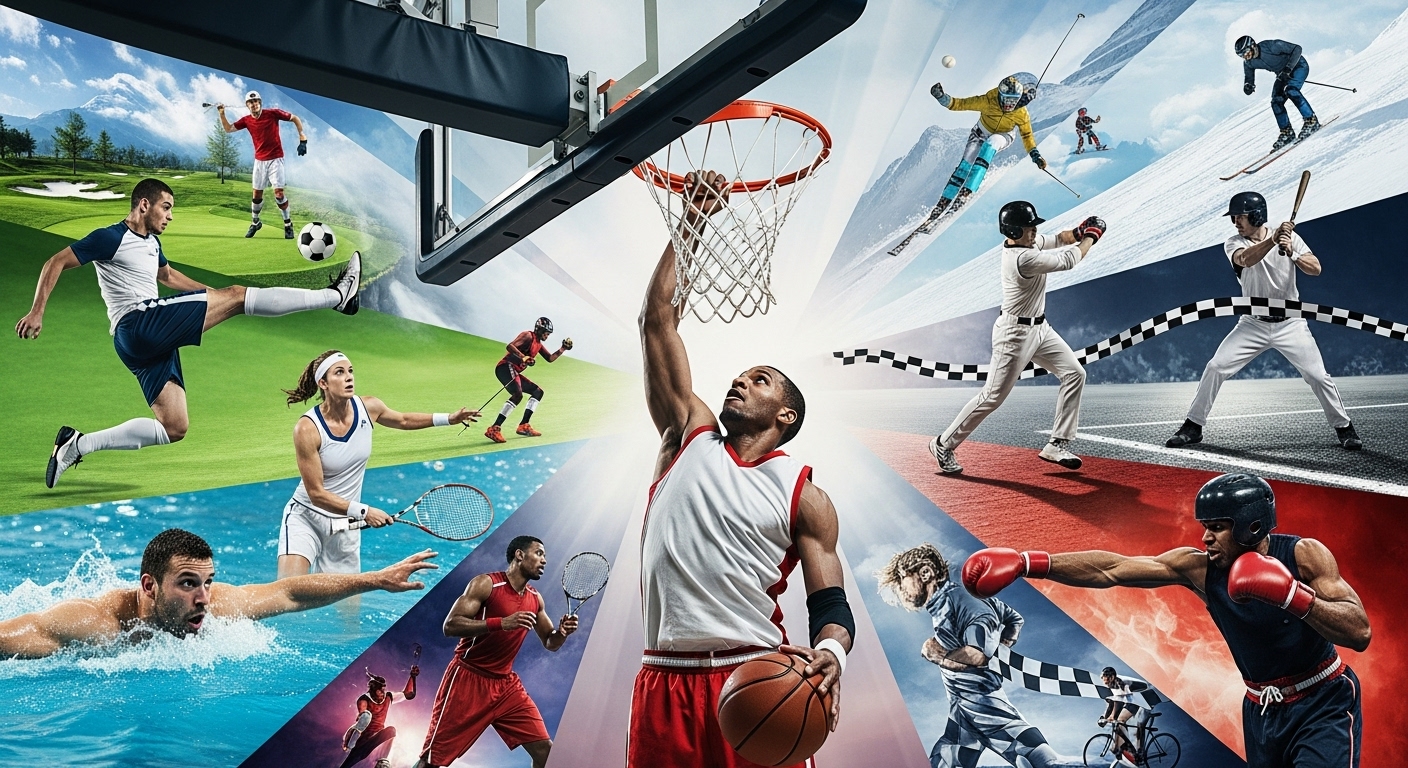
Sports have been an integral part of human civilization for thousands of years. From the earliest days of tribal hunting competitions to the billion-dollar global sports industry we see today, athletic competition has continually reflected the values, culture, and spirit of humanity. Sports are not merely games; they are mirrors of society, capturing the essence of teamwork, perseverance, and the pursuit of excellence.
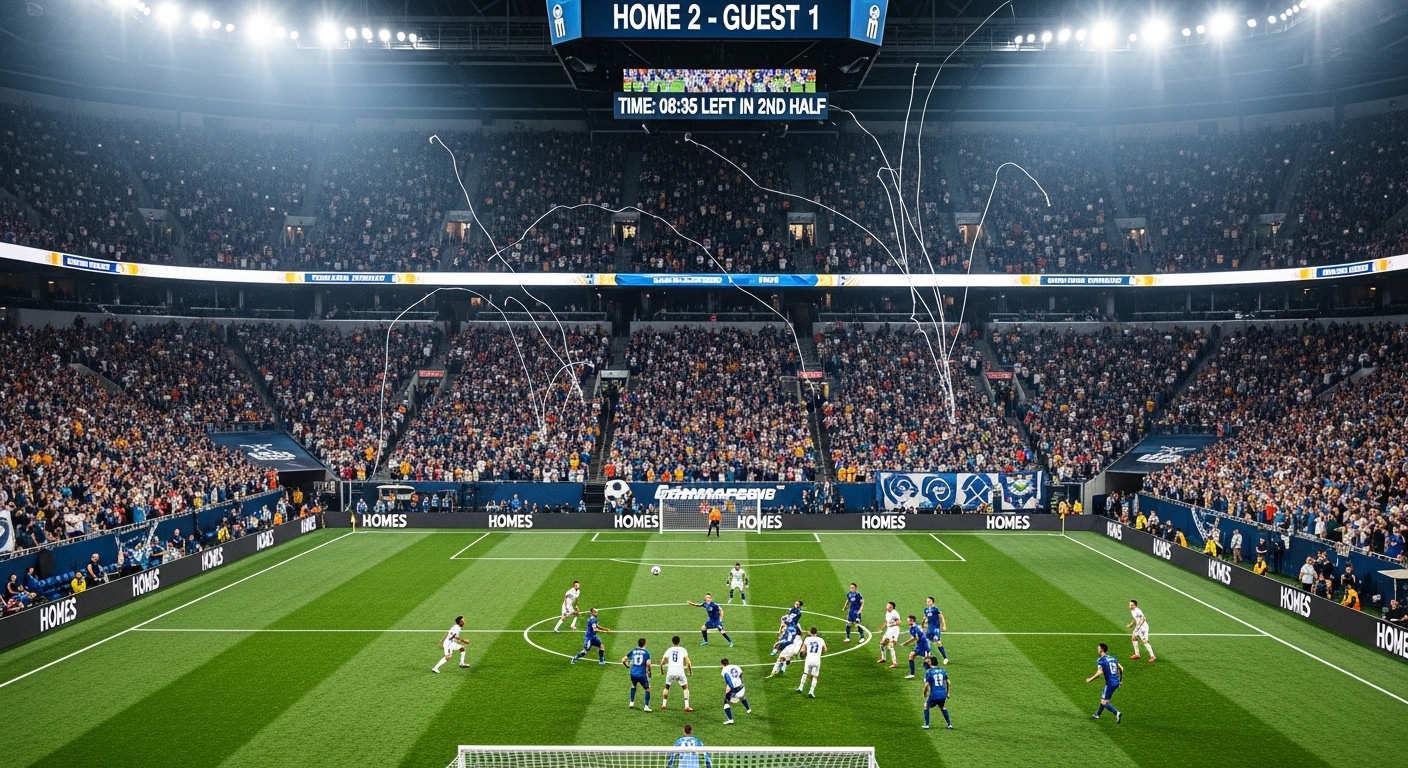
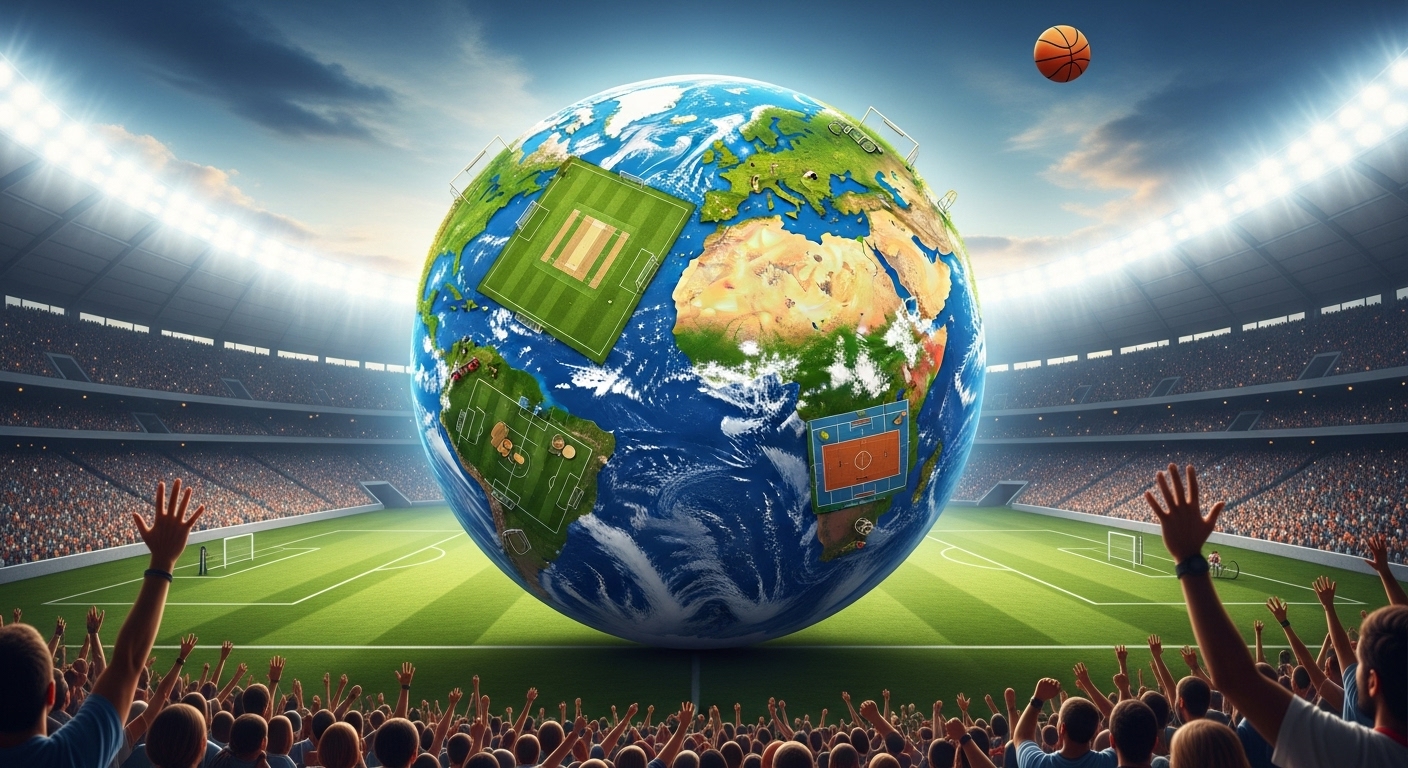
As the world has evolved, so too have sports — transforming from local pastimes into international phenomena that bring people together across borders, languages, and cultures. Whether it’s football fields packed with roaring fans, Olympic arenas celebrating global unity, or individual athletes pushing human limits, sports embody the best and most inspiring aspects of human endeavor.
This blog explores the evolution of sports from their ancient origins to their modern-day dominance, the technological and cultural changes shaping the industry, and the emotional and social impact they continue to have on people worldwide.
The Ancient Roots of Sports
The history of sports can be traced back thousands of years to ancient civilizations that used physical contests as a form of entertainment, training, and ritual. Archaeological evidence shows that humans have always been drawn to physical challenges. Early sports were often connected to survival skills such as running, wrestling, and throwing — all necessary for hunting and warfare.
In ancient Egypt, wall paintings depict scenes of wrestling, weightlifting, and swimming. The Egyptians organized competitions that honored their gods and celebrated physical strength. Similarly, in Mesopotamia, chariot racing was a thrilling event, combining the excitement of speed with the skill of animal control.
Perhaps the most influential early sporting tradition came from ancient Greece. The Greeks considered physical excellence an essential part of education and character. The first recorded Olympic Games were held in 776 BCE in Olympia, and they became a central part of Greek culture for centuries. Events such as running, boxing, discus throwing, and wrestling were not just entertainment; they were a celebration of the human form and the pursuit of arete — excellence in mind and body.
Meanwhile, in ancient China, sports like martial arts and archery were both military training and philosophical disciplines, emphasizing balance and harmony. In the Americas, the Mayans and Aztecs played a ritual ball game that combined athleticism with religious symbolism, often with life-or-death stakes.
Sports in the Middle Ages and Early Modern Period
As civilizations evolved, sports took on new forms, reflecting the social hierarchies and cultural norms of their times. In medieval Europe, sports were heavily influenced by the feudal system. The nobility engaged in jousting, fencing, and hunting, showcasing their courage and martial prowess. Knights competed in tournaments that were as much displays of social power as they were athletic contests.
For the common people, simpler games like archery, wrestling, and folk football provided both recreation and community bonding. These early versions of football, which involved entire villages competing in chaotic matches, laid the groundwork for modern team sports.
In Asia, traditional sports such as sumo wrestling in Japan and kabaddi in India maintained strong cultural significance. These activities combined athleticism with spirituality, often performed as part of festivals and ceremonies.
By the Renaissance, sports began to take on more structured forms. The rise of urban centers and universities brought with them organized competitions, written rules, and standardized equipment. The concept of “fair play” and sportsmanship began to emerge, setting the stage for the modern sports ethos.
The Birth of Modern Sports
The 19th century marked the dawn of modern sports as we know them. Industrialization and urbanization changed how people lived, worked, and played. With more leisure time and a growing middle class, organized sports flourished. Britain played a central role in this transformation, codifying rules for football, cricket, rugby, and tennis, and exporting these sports throughout its empire.
The establishment of sporting clubs, leagues, and associations created formal competition structures that ensured consistency and fair play. For example, the formation of The Football Association in 1863 standardized the rules of soccer, turning it from a chaotic local pastime into a globally recognized sport.
At the same time, the revival of the Olympic Games in 1896 by Baron Pierre de Coubertin symbolized the new era of international sporting unity. The modern Olympics sought to promote peace and understanding through sport, reviving the ancient Greek ideal for a new global age.
Other sports such as baseball in the United States and hockey in Canada developed their own professional leagues, captivating fans and shaping national identities. Sports were no longer confined to local communities — they became symbols of pride, passion, and progress.
The 20th Century: The Golden Age of Sports
The 20th century can rightly be called the golden age of sports. This was the era when sports became a global cultural force, thanks to mass media, professionalization, and international competition.
The invention of radio and television revolutionized how people experienced sports. Suddenly, fans could follow their favorite teams and athletes from anywhere in the world. Legendary figures like Muhammad Ali, Pelé, Michael Jordan, and Serena Williams became household names, transcending their sports to become global icons.
The Olympics grew into the world’s largest sporting event, with athletes from nearly every nation competing in the spirit of unity and excellence. Similarly, the FIFA World Cup became the most-watched sporting competition on the planet, uniting billions of people in shared passion and excitement.
This period also saw the rise of women’s sports. Pioneers like Billie Jean King, Wilma Rudolph, and Mia Hamm broke barriers and inspired generations of female athletes to pursue their dreams. The push for gender equality in sports gained momentum, leading to greater recognition, funding, and opportunities for women worldwide.
In addition, sports became powerful symbols in political and social movements. Jesse Owens’s triumph in the 1936 Berlin Olympics challenged Nazi ideology. The Black Power salute by Tommie Smith and John Carlos in 1968 became an enduring image of civil rights activism. Sports arenas became platforms for protest, pride, and progress.
Technology and the Transformation of Sports
In the late 20th and early 21st centuries, technology transformed every aspect of sports — from how athletes train to how fans experience the game. The introduction of advanced analytics, wearable sensors, and data-driven coaching has pushed athletic performance to unprecedented levels.
Equipment has become lighter, stronger, and more precise. From carbon-fiber bicycles to aerodynamic swimsuits, innovation continues to redefine what is physically possible. Video replay and goal-line technology have improved fairness and accuracy, while broadcasting technology has brought sports into high definition and even virtual reality.
Social media has given athletes direct connections with their fans, changing how fame and influence work in the sporting world. A single post or highlight clip can reach millions in seconds, making every moment instantly global.
Esports, a completely new form of digital competition, has also risen to prominence. Video gaming tournaments now fill stadiums and attract millions of online viewers, blurring the line between traditional sports and digital entertainment. The spirit of competition remains the same, even if the playing field has changed.
The Business of Sports
Today, sports are not only about athletic achievement; they are also a massive economic powerhouse. Professional leagues, sponsorships, broadcasting rights, and merchandising generate billions of dollars annually. Teams and athletes have become global brands, and major sporting events like the Olympics and World Cup can boost entire national economies.
Sports marketing has created an intricate relationship between athletics and commerce. Brands invest heavily in sponsorship deals, using athletes to inspire consumer trust and admiration. Stadiums are now corporate landmarks, and global companies compete for advertising space during major broadcasts.
However, this commercialization has also sparked debates about authenticity and integrity. Some critics argue that the increasing focus on profit undermines the true spirit of sportsmanship. Scandals involving corruption, doping, and match-fixing have raised ethical questions about the balance between entertainment and honesty.
Yet, despite these challenges, the financial growth of sports has enabled more inclusivity, better facilities, and global outreach programs that bring sports opportunities to millions of children worldwide.
Sports and Society
Sports hold a unique place in society because they transcend language, politics, and class. They foster a sense of belonging and shared identity. A community cheering for its team is more than just a group of fans — it’s a collective heartbeat, united by emotion and hope.
Sports also play a vital role in education and personal development. They teach discipline, teamwork, leadership, and resilience. In schools and communities, they serve as tools for social change, helping young people find purpose and direction.
In the modern world, sports have become a bridge for diplomacy and peacebuilding. “Ping-pong diplomacy” between the United States and China in the 1970s is a famous example of how athletic competition can open doors to political understanding. Similarly, international sporting events often promote cross-cultural exchange and friendship.
On a more personal level, sports have immense power to inspire. When an underdog triumphs against the odds, it reminds us of our own potential to overcome adversity. When a world record is broken, it expands our understanding of human capability. Sports stories become human stories — narratives of courage, sacrifice, and triumph.
Challenges in Modern Sports
Despite the many positives, modern sports face numerous challenges. Doping scandals have tarnished the reputations of athletes and organizations. The relentless pressure for success can lead to mental health struggles, burnout, and unethical behavior.
In recent years, conversations around mental health have become more prominent. Athletes such as Naomi Osaka and Simone Biles have bravely spoken about the psychological toll of competition, leading to more open discussions about wellness and balance in sports.
Corruption and inequality remain ongoing issues. The exploitation of athletes, lack of transparency in governance, and the influence of money continue to threaten the purity of competition. Moreover, while progress has been made in gender equality, disparities in pay and media representation persist.
Environmental concerns are another pressing issue. Large-scale sporting events generate massive carbon footprints. As climate change becomes an urgent global challenge, the sports industry faces increasing pressure to adopt sustainable practices.
The Future of Sports
The future of sports is being shaped by innovation, inclusion, and global connectivity. New technologies like artificial intelligence, virtual reality, and augmented analytics are redefining how athletes train and how fans engage.
We are seeing the rise of hybrid sports, blending physical and digital worlds. Virtual competitions, AI-driven coaching, and interactive viewing experiences are making sports more accessible to diverse audiences. This evolution also opens new possibilities for adaptive and inclusive sports, empowering athletes with disabilities and breaking down barriers.
The push for equality and sustainability will likely define the next chapter in sports history. Organizations are increasingly emphasizing diversity, mental health, and environmental responsibility. Sports will continue to reflect and drive social change, inspiring future generations to dream bigger and do better.
The spirit of sports — the pursuit of excellence, the joy of play, and the unity it fosters — remains timeless. No matter how much technology or society evolves, the essence of competition and the thrill of victory will always resonate deeply with the human soul.
Conclusion
Sports are far more than games; they are reflections of who we are as people and what we strive to become. From the dusty fields of ancient Greece to the roaring stadiums of today, sports have captured the imagination of humankind. They celebrate our strength, creativity, and perseverance, reminding us that greatness comes not just from winning, but from daring to compete.
In every cheer, every race, every leap, and every finish line crossed, we see the story of humanity — a story of effort, unity, and the eternal quest for excellence. The world of sports continues to evolve, but its heart remains the same: a celebration of life, energy, and the unbreakable human spirit.