Introduction: More Than Just a Game
Sports have been an integral part of human civilization for centuries. From ancient Olympic competitions to modern global tournaments, sports have always been more than just a contest of skill. They reflect culture, foster community, shape personal discipline, and inspire innovation. Whether played on professional fields or neighborhood streets, sports influence our lives in profound ways. In this blog, we explore how sports impact physical health, mental resilience, culture, technology, and society as a whole, highlighting the broader significance of athletic pursuits beyond the scoreboard.
The Physical Benefits of Sports
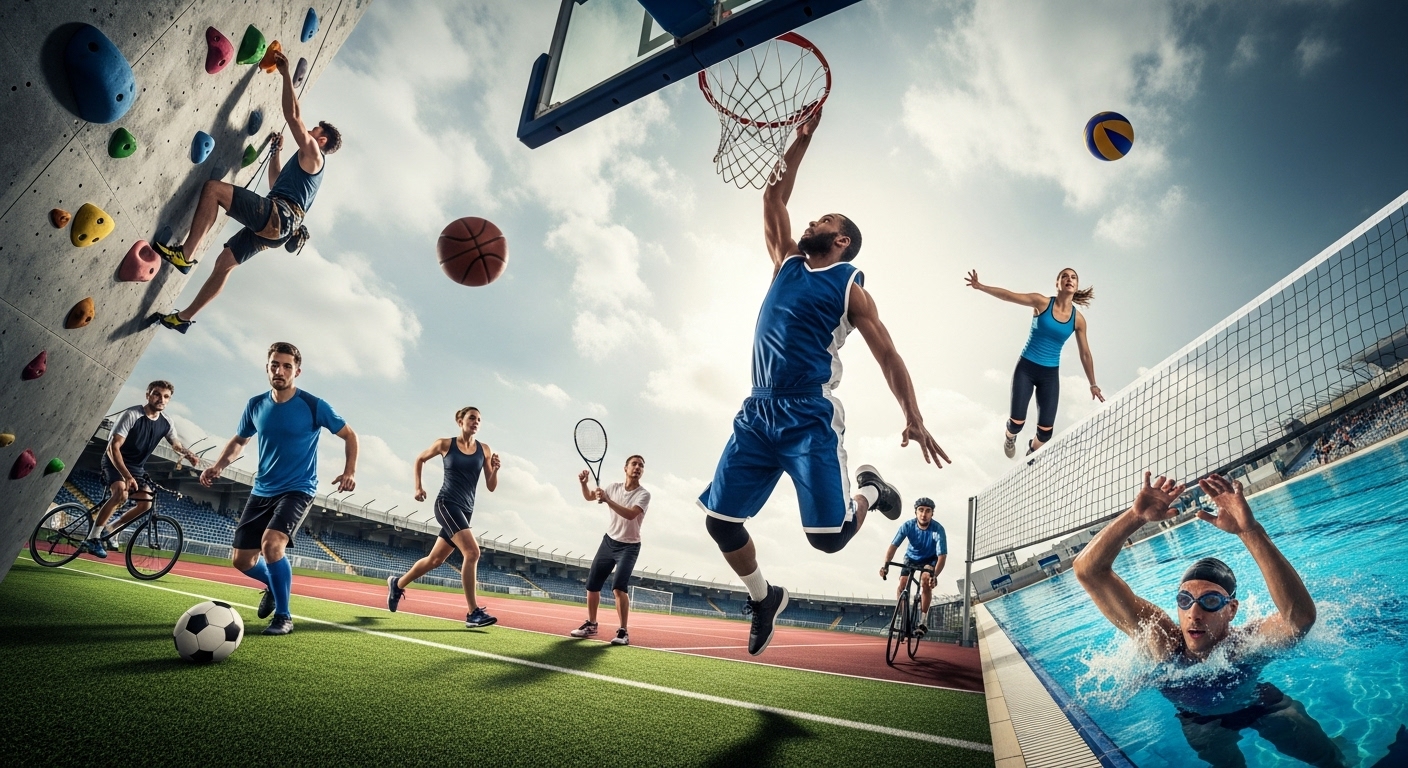
Engaging in sports provides undeniable physical benefits. Activities such as running, swimming, soccer, basketball, and tennis improve cardiovascular health, enhance muscular strength, and increase flexibility and endurance. Regular participation in sports can reduce the risk of chronic illnesses such as diabetes, heart disease, and obesity.
Sports also promote healthy habits from a young age. Children who engage in sports tend to develop better motor skills, coordination, and stamina. These early benefits often carry into adulthood, contributing to overall wellness and longevity. Moreover, participation in physical activities encourages people to adopt balanced diets, maintain healthy sleep patterns, and prioritize personal fitness.
Beyond health, sports help maintain energy and mobility throughout life. Older adults who participate in recreational sports experience improved joint function, better balance, and increased bone density. This makes sports not just a pastime but a lifelong strategy for maintaining vitality.
Mental Resilience and Cognitive Growth
While physical benefits are often the first aspect people consider, the mental and cognitive advantages of sports are equally significant. Sports teach discipline, time management, and strategic thinking. Players must anticipate opponents’ moves, adapt to changing conditions, and make quick decisions under pressure. These experiences strengthen problem-solving skills and enhance mental agility.
Sports also play a critical role in building emotional resilience. Athletes learn to cope with failure, handle setbacks, and celebrate small victories. These lessons extend beyond the field, helping individuals navigate the challenges of daily life. Confidence gained through sports participation can empower people in professional, academic, and personal contexts.
Team sports, in particular, encourage communication, collaboration, and empathy. Working with teammates toward a common goal teaches patience, compromise, and leadership skills. These interpersonal lessons help create well-rounded individuals capable of thriving in diverse social and professional environments.
Sports as a Cultural Mirror
Sports are a reflection of culture, identity, and social values. They tell stories about communities, nations, and historical moments. For example, cricket in India is more than a game; it represents national pride, passion, and unity. Soccer in Brazil reflects creativity, skill, and a love for communal celebration.
Major sporting events like the Olympics, World Cups, and regional tournaments foster international understanding and diplomacy. Fans worldwide experience cultural exchange, shared enthusiasm, and a sense of belonging to a global community. Sports also highlight historical shifts, such as the breaking of racial barriers and the growing participation of women in professional competitions.
The cultural impact of sports is also visible in art, literature, and media. Films, books, and documentaries celebrate athletic triumphs, underdog stories, and legendary performances, further embedding sports into the social fabric. These narratives inspire younger generations and preserve the legacy of athletes who have shaped society.
The Role of Technology in Modern Sports
Technology has transformed sports, making games faster, safer, and more engaging. From wearable fitness trackers to advanced performance analytics, athletes can now measure every aspect of their training and competition. Coaches use video analysis to refine techniques, optimize strategies, and prevent injuries.
Equipment has also evolved. Innovations in footwear, protective gear, and playing surfaces improve performance and reduce the risk of accidents. Even fans benefit from technology, with live streaming, augmented reality, and interactive platforms creating immersive experiences that connect supporters to games like never before.
Technology also allows for fairer play. Systems like instant replay, goal-line technology, and electronic scoring minimize human error and ensure transparency in competition. These advancements not only enhance accuracy but also increase trust in the integrity of sports.
Sports and Social Development
Sports contribute significantly to social development and community engagement. Organized sports programs offer opportunities for youth empowerment, education, and mentorship. Through structured competitions, young athletes learn about accountability, respect, and teamwork.
Moreover, sports can bridge social divides. In communities affected by conflict, poverty, or inequality, sports serve as a unifying force. Football tournaments, basketball leagues, and community runs encourage participation across age, gender, and social backgrounds. These initiatives foster inclusion, reduce social tension, and build stronger community bonds.
Sports also provide platforms for social activism. Athletes increasingly use their influence to advocate for human rights, equality, and environmental sustainability. Their voices amplify important social messages and inspire collective action, showing that sports can extend far beyond physical activity to impact society at large.
The Economics of Sports
Sports have become a major economic driver globally. Professional leagues, merchandise, sponsorships, and media rights generate billions of dollars each year. Cities host international events not only for prestige but also to stimulate tourism, infrastructure development, and local businesses.
Additionally, sports create employment opportunities for coaches, trainers, analysts, journalists, and event organizers. The ripple effect of sports-related commerce extends to hospitality, marketing, transportation, and retail sectors. This economic influence underscores how sports are deeply interwoven with modern society, affecting both livelihoods and local economies.
Sports and Personal Growth
On an individual level, sports are powerful tools for personal growth. They challenge people to set goals, maintain focus, and push beyond their comfort zones. Athletes develop resilience by overcoming physical and mental obstacles. They learn that success is rarely instant and that dedication, perseverance, and consistent effort are crucial for achievement.
Sports also teach humility. Winning and losing are both opportunities for reflection. Athletes learn to celebrate success graciously and accept defeat as a stepping stone for improvement. These life lessons translate into professional conduct, interpersonal relationships, and overall character development.
Women in Sports: Breaking Barriers
The rise of women in sports has transformed global perceptions of gender and capability. Female athletes now compete at the highest levels across all major sports. Their achievements inspire young girls to pursue athletics, leadership roles, and personal empowerment.
Despite historical challenges and societal bias, women’s sports have gained recognition, sponsorship, and fan support. The success of women in sports demonstrates how perseverance, talent, and advocacy can overcome long-standing barriers. This shift also highlights the importance of equality, representation, and opportunity in shaping the future of athletics.
Sports and Mental Health
In addition to physical benefits, sports are crucial for mental health. Physical activity releases endorphins, reduces stress, and combats anxiety and depression. Participating in team sports creates social connections, reducing feelings of isolation and loneliness.
Sports can also serve as therapeutic tools for individuals dealing with trauma or chronic health conditions. Adaptive sports programs provide opportunities for differently-abled athletes to compete, heal, and thrive. The mental health benefits of sports are increasingly recognized by educators, medical professionals, and community organizers, emphasizing their holistic value.
The Future of Sports: Innovation Meets Tradition
The future of sports lies at the intersection of innovation and tradition. Emerging technologies like virtual reality, artificial intelligence, and advanced biomechanics are transforming training, strategy, and fan engagement. At the same time, the core values of sports—teamwork, discipline, fair play, and resilience—remain unchanged.
Global connectivity will allow fans to experience sports in ways previously unimaginable. Esports and digital competitions are creating entirely new categories of athleticism. Sustainability initiatives are transforming stadiums, leagues, and sporting events, ensuring that future generations can enjoy sports responsibly and ethically.
The evolution of sports will continue to honor its rich history while embracing technological, social, and cultural advancements.
Conclusion: Sports as a Lifelong Journey
Sports are far more than games played on fields or courts. They are a reflection of human ambition, creativity, and spirit. They promote health, foster social cohesion, and inspire individuals to reach their full potential. Beyond the scoreboard, sports teach lessons in resilience, teamwork, humility, and perseverance that shape lives in profound ways.
Whether as a professional athlete, a casual participant, or a devoted fan, engaging with sports offers experiences that transcend competition. Sports create connections, cultivate discipline, and provide joy, motivation, and meaning. The influence of sports on society, culture, and the human spirit ensures that their legacy will endure for generations to come, proving that the true value of sports lies not only in victory but in the journey itself.