
Introduction: More Than Just a Game
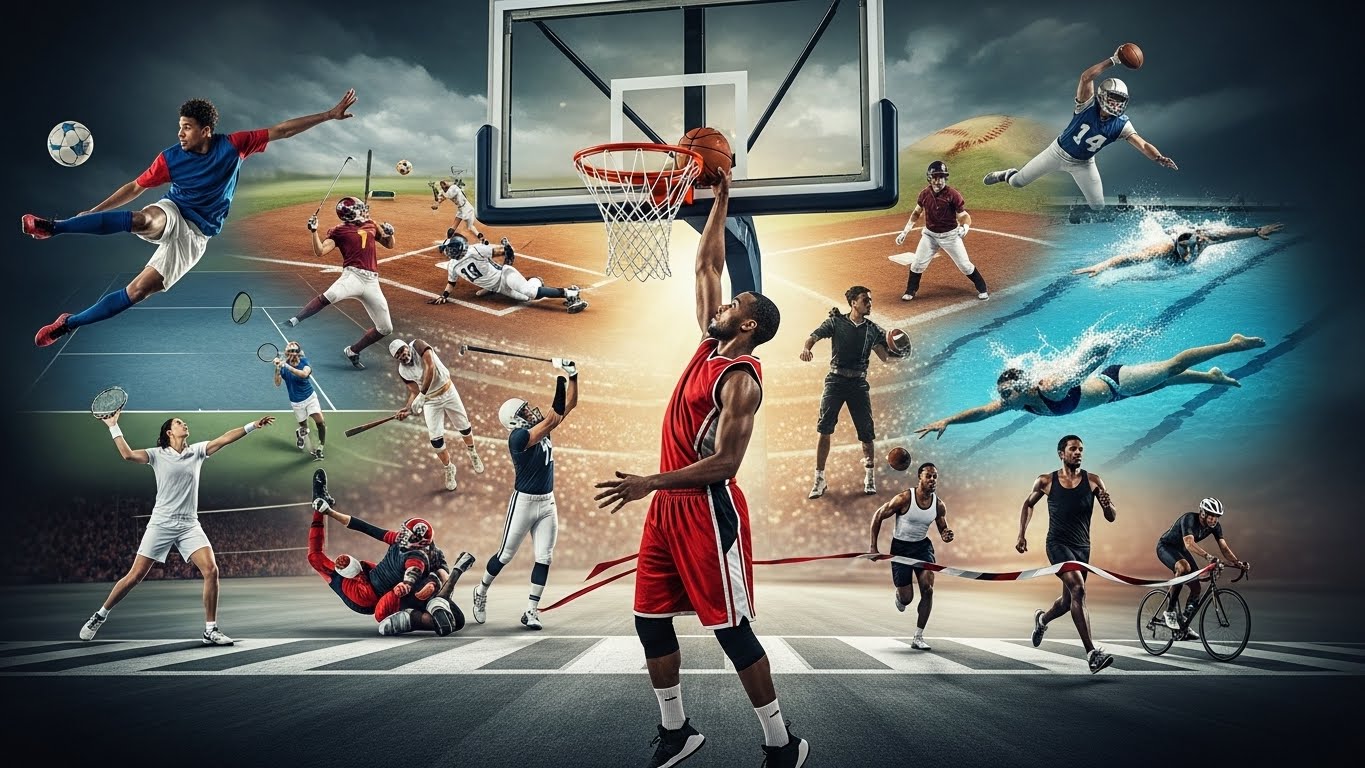
Sports have always been a powerful part of human society. From ancient civilizations that celebrated physical strength and strategy to modern stadiums filled with roaring fans, sports go far beyond competition. They are a reflection of discipline, teamwork, ambition, and emotion. While many people view sports simply as a source of entertainment, their influence runs much deeper. Sports shape individual character, unite communities, influence culture, and even impact economies. Understanding sports from this broader perspective helps us appreciate why they remain so essential in everyday life.
The Historical Roots of Sports
The history of sports is closely tied to the history of humanity itself. Early societies used physical contests to prepare warriors, celebrate harvests, and honor gods. Ancient Olympic Games in Greece were not just athletic events but cultural festivals that promoted peace and unity among rival city-states. In Asia, traditional sports emphasized balance, discipline, and spiritual growth. Over time, these activities evolved into organized competitions with rules, officials, and global audiences. This long history shows that sports have always been about more than winning; they have been about identity, pride, and shared values.
Sports and Physical Well-Being
One of the most obvious benefits of sports is their contribution to physical health. Regular participation in sports improves cardiovascular fitness, strengthens muscles, and enhances coordination and flexibility. In an age where sedentary lifestyles are becoming increasingly common, sports encourage movement and active habits. Whether played professionally or casually, sports motivate individuals to maintain healthy routines. Beyond physical strength, sports also teach the importance of rest, nutrition, and balance, helping people understand how to care for their bodies effectively.
Mental Strength and Emotional Resilience
Sports play a crucial role in developing mental toughness. Athletes learn how to handle pressure, manage stress, and cope with failure. Losing a match can be disappointing, but it also teaches resilience and the value of perseverance. Winning, on the other hand, builds confidence and self-belief. These emotional lessons extend far beyond the field. People who engage in sports often develop better focus, discipline, and problem-solving skills, which benefit them in academics, careers, and personal relationships.
Teamwork and Leadership Lessons
Team sports, in particular, are powerful tools for teaching cooperation and leadership. Players learn to trust one another, communicate effectively, and work toward a common goal. Each member understands their role and how it contributes to overall success. Leadership emerges naturally as individuals motivate teammates, make strategic decisions, and take responsibility during critical moments. These lessons are invaluable in real life, where collaboration and leadership are essential for success in workplaces and communities.
Sports as a Cultural Mirror
Sports often reflect the culture and values of a society. National sports carry traditions, rituals, and styles that represent a country’s identity. The way teams celebrate victories, respect opponents, or honor legends reveals cultural attitudes toward success, humility, and respect. Sports also serve as a platform for social expression. Moments of unity during major tournaments or gestures of solidarity during challenging times show how deeply sports are woven into cultural narratives.
Community Building Through Sports
One of the most beautiful aspects of sports is their ability to bring people together. Local games, school tournaments, and neighborhood leagues create a sense of belonging. Fans gather to support their teams, forming connections that cross social, economic, and generational boundaries. In many communities, sports facilities become social hubs where friendships are built and memories are created. This sense of unity strengthens social bonds and fosters mutual respect among diverse groups.
The Role of Sports in Youth Development
For young people, sports are a powerful learning ground. Participation teaches discipline, time management, and goal setting. Children involved in sports often develop better self-esteem and social skills. They learn the importance of fairness, respect for rules, and empathy toward teammates and opponents. Sports also provide a constructive outlet for energy, reducing negative behaviors and promoting positive lifestyles. These early experiences often shape attitudes and habits that last a lifetime.
Professional Sports and Economic Impact
At the professional level, sports have a significant economic influence. Major leagues and tournaments create jobs, generate revenue, and boost tourism. Stadiums, broadcasting, merchandising, and sponsorships contribute to local and global economies. Athletes become role models and brand ambassadors, influencing fashion, advertising, and popular culture. While commercial aspects sometimes overshadow the spirit of the game, they also highlight how deeply sports are embedded in modern economic systems.
Ethics, Fair Play, and Responsibility
With great influence comes great responsibility. Sports emphasize values such as fair play, respect, and integrity. Athletes are often seen as role models, and their behavior can inspire millions. Issues like cheating, corruption, or unsportsmanlike conduct remind us of the importance of ethics in competition. When sports uphold fairness and respect, they reinforce positive values that extend beyond the field and into society as a whole.
Technology and the Evolution of Sports
Technology has transformed the way sports are played, viewed, and analyzed. Advanced training methods, performance analytics, and improved equipment have elevated athletic performance. Fans now experience games through multiple platforms, with instant replays and detailed statistics enhancing engagement. While technology brings innovation, it also raises questions about maintaining the human element of sports. Balancing tradition with progress remains an ongoing challenge.
The Emotional Connection of Fans
Fans are the heartbeat of sports. Their passion, loyalty, and emotional investment give games their energy and meaning. Supporting a team can become a lifelong identity, passed down through generations. Victories bring joy and pride, while defeats teach patience and hope. This emotional connection creates shared experiences that strengthen social ties and provide a sense of continuity in an ever-changing world.
Sports as a Tool for Social Change
Sports have the power to inspire change and raise awareness about important issues. Athletes and teams often use their platforms to promote equality, education, and social justice. Sporting events can bring attention to global challenges and encourage collective action. When used responsibly, sports become a voice for progress, showing how unity and determination can overcome barriers.
Conclusion: The Enduring Power of Sports
Sports are far more than games played on fields or courts. They are a reflection of human potential, resilience, and unity. Through physical activity, mental growth, cultural expression, and community building, sports touch nearly every aspect of life. They teach lessons that shape character, connect people across differences, and inspire generations to strive for excellence. In a world that often feels divided, sports continue to remind us of the power of shared passion and the universal language of effort, respect, and hope.