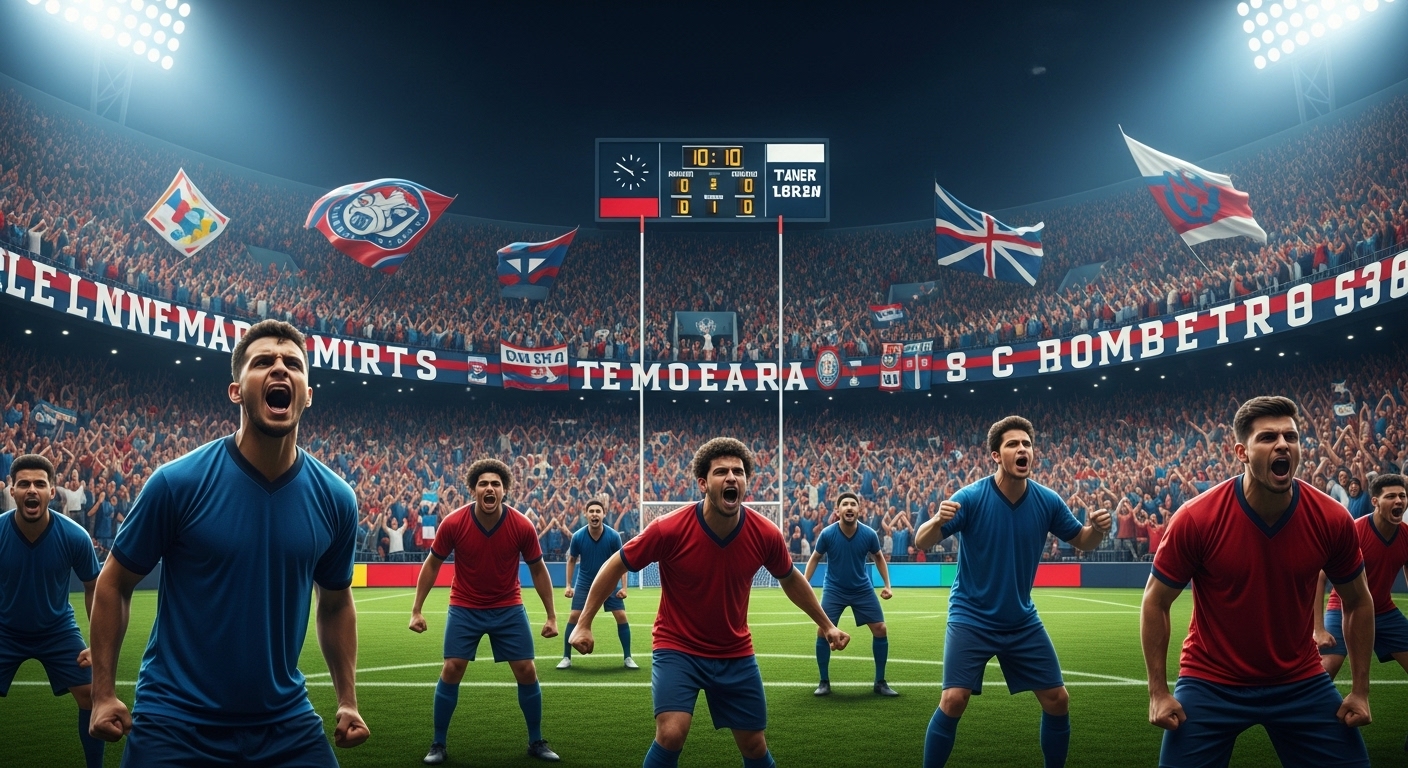
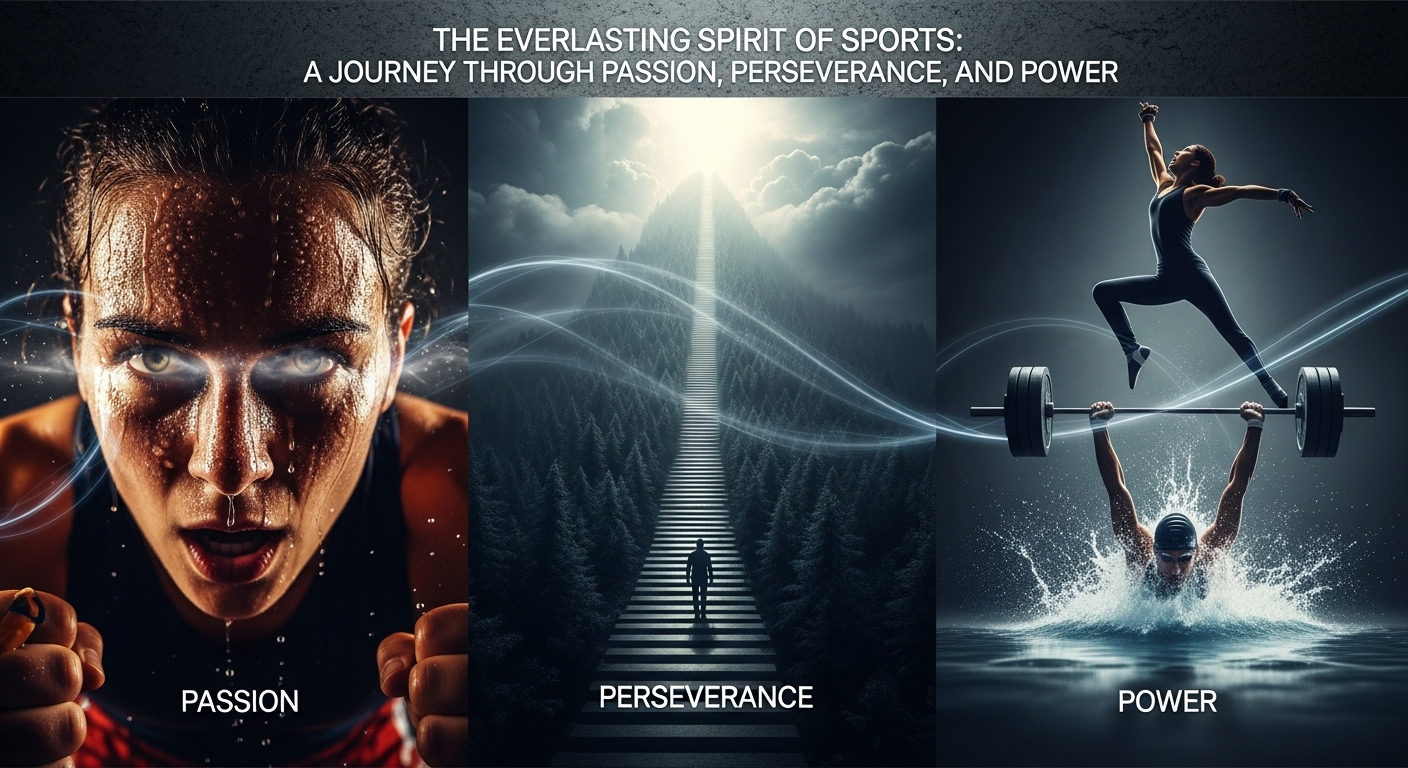
Sports have always been an integral part of human culture, serving as a bridge between communities, a showcase of talent, and a test of human endurance and strategy. From ancient times to the modern era, sports have evolved into a multi-billion-dollar industry, influencing economies, shaping cultures, and inspiring generations. But beyond the fame and commercial success, sports offer something deeply human: the pursuit of excellence, teamwork, and the thrill of competition.
The Origins and Evolution of Sports
Sports have existed in some form for thousands of years. Archaeological findings show that ancient civilizations such as the Greeks, Egyptians, and Mayans engaged in physical competitions. The Greeks, for instance, developed the Olympic Games around 776 BCE, celebrating athletic prowess and physical fitness. These early events were not merely recreational—they were intertwined with religious and cultural practices, often held to honor gods or commemorate significant events.
Over centuries, sports evolved from local traditions to organized competitions. The medieval period saw the rise of jousting tournaments, archery contests, and other forms of skill-based competition. By the 19th century, sports like football (soccer), cricket, and rugby became standardized, with formal rules and governing bodies. The industrial revolution further fueled the spread of sports, as urban populations sought organized recreation, and transportation made inter-city competitions feasible.
The Universal Appeal of Sports
One of the most fascinating aspects of sports is its universal appeal. Regardless of geography, language, or culture, people are drawn to sports. This universality stems from several factors:
- Competition: Humans have an innate desire to compete, to test themselves against others and overcome challenges.
- Community and Identity: Sports create a sense of belonging. Fans identify with teams, athletes, and even national representatives, forging bonds that transcend everyday life.
- Entertainment: Sports are thrilling, unpredictable, and emotionally engaging, making them a powerful form of entertainment.
- Health and Fitness: Participation in sports encourages physical activity, improving physical health, mental well-being, and social interaction.
From street basketball courts in urban neighborhoods to massive stadiums hosting international tournaments, sports are everywhere. They reflect societal values, celebrate diversity, and even offer lessons in resilience, leadership, and collaboration.
Major Sports and Their Global Impact
While there are countless sports played worldwide, a few stand out for their global reach and cultural significance.
Football (Soccer)
Football, known as soccer in some countries, is arguably the most popular sport worldwide. Played professionally in virtually every nation, football transcends language and social barriers. The FIFA World Cup, held every four years, draws billions of viewers, turning the event into a global celebration of culture, competition, and national pride.
The beauty of football lies in its simplicity: all that’s needed is a ball and a space to play. This accessibility has made it a universal pastime, from informal street games to elite professional leagues. Clubs like FC Barcelona, Manchester United, and Real Madrid have fan bases that span continents, illustrating the sport’s unparalleled reach.
Basketball
Basketball has grown from a North American pastime to a global phenomenon. Invented by Dr. James Naismith in 1891 as an indoor sport for students, it quickly evolved into one of the most dynamic and fast-paced sports in the world. The National Basketball Association (NBA) has become a global brand, producing icons like Michael Jordan, LeBron James, and Kobe Bryant.
Beyond professional leagues, basketball is popular at the community level, offering an accessible, equipment-light way to stay active. Its influence extends beyond sport, shaping music, fashion, and popular culture, especially in urban areas.
Cricket
Cricket has a unique status as a sport deeply tied to culture and history, particularly in countries like India, Pakistan, England, Australia, and the West Indies. Originating in England, cricket spread across the British Empire and became a major source of national pride and entertainment in colonies.
The game’s formats—from Test cricket to Twenty20—cater to diverse audiences. Test cricket, with matches lasting up to five days, emphasizes strategy, endurance, and patience, while T20 offers a fast, exciting spectacle appealing to modern viewers. Cricket also plays a diplomatic and social role, fostering rivalries, camaraderie, and a sense of collective identity.
Tennis
Tennis exemplifies individual excellence and mental resilience. With prestigious tournaments such as Wimbledon, the US Open, and the French Open, tennis showcases the fusion of physical skill and mental fortitude. Legends like Roger Federer, Serena Williams, and Rafael Nadal have elevated the sport, inspiring millions to pick up a racket.
Tennis also offers universal accessibility through its recreational form. Public courts, clubs, and school programs make it easy for beginners to engage with the sport, promoting lifelong fitness and competition.
Other Notable Sports
Sports like rugby, athletics, swimming, and gymnastics also hold a global presence, each with unique appeals. Athletics, for instance, highlights raw human capability, whether through sprinting, long-distance running, or field events. Rugby combines teamwork, strength, and strategy, attracting passionate fans in countries like New Zealand, South Africa, and England. Swimming emphasizes endurance and technique, while gymnastics celebrates flexibility, balance, and precision.
The Role of Sports in Society
Sports are more than games—they are powerful social tools. They influence education, politics, health, and culture.
- Education: Participation in sports teaches discipline, teamwork, and leadership. Schools and universities integrate sports into curricula to foster holistic development. Student-athletes often learn to balance academics and athletics, developing time management and resilience.
- Health and Wellness: Regular engagement in sports improves cardiovascular health, strength, and flexibility, while also reducing stress and anxiety. Physical activity has a profound impact on mental health, promoting confidence, focus, and emotional stability.
- Economic Impact: Professional sports generate employment, stimulate local economies, and attract tourism. Major sporting events lead to infrastructure development, sponsorship deals, and media revenue.
- Cultural Identity: Sports can reinforce national identity, celebrate heritage, and bridge cultural divides. International competitions allow nations to showcase talent, sportsmanship, and cultural pride.
- Social Change: Athletes often use their platform to promote social justice, equality, and humanitarian causes. Sports can challenge societal norms, empower marginalized communities, and inspire collective action.
Memorable Moments in Sports History
Sports history is filled with unforgettable moments that transcend the boundaries of the game.
- The Miracle on Ice (1980): The U.S. ice hockey team’s unexpected victory over the Soviet Union during the Winter Olympics symbolized hope and resilience during a tense geopolitical era.
- Jesse Owens at the 1936 Olympics: Owens defied racial prejudice, winning four gold medals in Berlin, challenging Nazi ideology, and inspiring generations worldwide.
- The 1999 Women’s World Cup Final: U.S. soccer legend Brandi Chastain scored the decisive penalty, igniting a movement for women’s sports and recognition of female athletes.
- Usain Bolt’s Records: Bolt’s dominance in sprinting redefined athletic excellence, showcasing the limits of human speed and inspiring worldwide admiration.
These moments remind us that sports are about more than winning—they are about courage, perseverance, and shared human experience.
The Science of Sports Performance
Modern sports are increasingly driven by science and technology. Athletic performance now relies on data analytics, biomechanics, nutrition, and psychology.
- Training and Conditioning: Athletes follow scientifically designed regimens tailored to enhance strength, endurance, and flexibility.
- Nutrition: Diet plans focus on fueling performance, recovery, and long-term health. Proper hydration, supplements, and meal timing are critical to elite performance.
- Sports Psychology: Mental preparation is as vital as physical training. Techniques such as visualization, mindfulness, and focus exercises help athletes manage pressure and maximize potential.
- Technology and Equipment: Innovations in footwear, protective gear, and performance tracking have transformed sports, reducing injury risk and enhancing results.
These advances demonstrate that sports are not just about talent—they are a meticulous combination of science, strategy, and dedication.
Women in Sports
The role of women in sports has evolved dramatically. Historically marginalized, women athletes now command respect, visibility, and influence. Iconic figures like Serena Williams, Mia Hamm, and Simone Biles have broken barriers, advocating for equality and inspiring young girls globally.
Organizations and leagues dedicated to women’s sports are gaining prominence, while events like the Women’s World Cup, WNBA, and Olympic competitions showcase talent, professionalism, and competitiveness. Despite challenges such as pay disparities and underrepresentation, progress continues, reshaping the sports landscape for future generations.
Youth and Grassroots Sports
Grassroots sports are the foundation of athletic development. Community programs, local clubs, and school teams introduce children to physical activity, teamwork, and competition. Early engagement fosters lifelong health habits and may identify future stars.
Youth sports also instill essential life skills: discipline, resilience, communication, and problem-solving. Moreover, they provide a safe, structured environment for social interaction, helping children navigate challenges and develop confidence.
The Future of Sports
The future of sports is likely to be shaped by innovation, inclusivity, and globalization. Emerging trends include:
- E-sports: Competitive video gaming is rapidly gaining recognition as a legitimate sport, blending skill, strategy, and entertainment.
- Sustainability: Sports organizations are increasingly adopting eco-friendly practices in stadium design, event management, and athlete travel.
- Technology Integration: Augmented reality, virtual reality, and advanced analytics will redefine fan experiences and performance measurement.
- Global Talent Exchange: The mobility of athletes and international competitions fosters cross-cultural exchange and global recognition.
Sports will continue to adapt, reflecting societal shifts while maintaining their core values of competition, teamwork, and human excellence.
Conclusion
Sports are more than a pastime—they are a reflection of humanity’s spirit, resilience, and creativity. From ancient rituals to modern stadiums, from local playgrounds to international arenas, sports connect us, challenge us, and inspire us. They teach lessons of perseverance, fairness, and collaboration, offering more than trophies or fame—they offer a shared human experience.
In every sprint, every goal, every match, and every medal, sports remind us of what we can achieve, both individually and collectively. As we look to the future, the essence of sports remains unchanged: the pursuit of excellence, the thrill of competition, and the joy of participating in something greater than ourselves.