
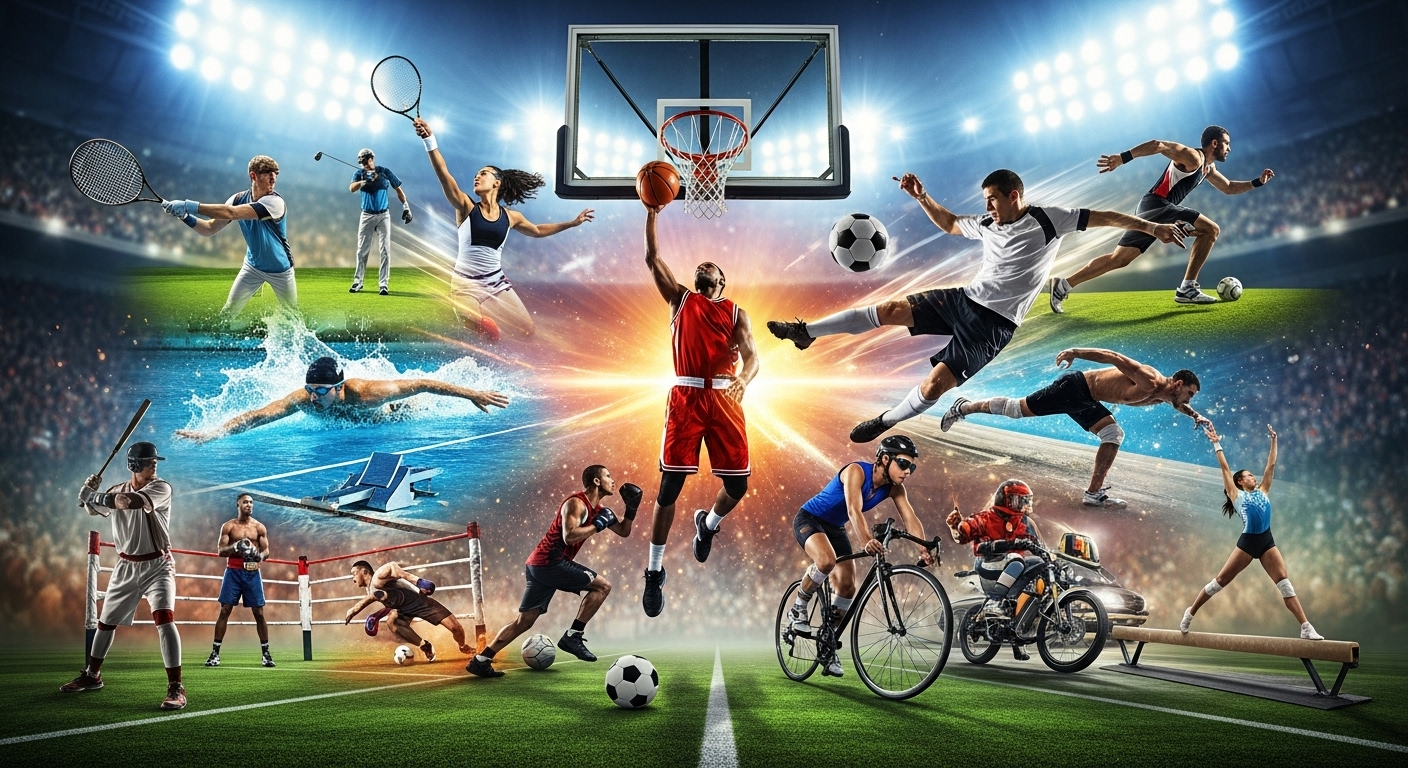
Sports are often seen as a form of entertainment or a way to stay physically active, but their significance extends far beyond the boundaries of the playing field. From teaching life lessons to creating lasting memories, sports shape our culture, our character, and our communities. The influence of sports is felt in every corner of the globe, connecting people from all walks of life. In this post, we’ll explore how sports not only define our values but also foster unity and a sense of belonging.
The Power of Discipline and Hard Work
One of the core values taught through sports is discipline. Regardless of the sport, success is rarely handed to an athlete—it is earned through hard work, practice, and perseverance. Whether it’s perfecting a jump shot in basketball or working on endurance in a marathon, athletes must dedicate themselves to continuous improvement.
This commitment extends beyond the game itself and influences various aspects of life. The discipline learned through sports helps individuals in their professional and personal lives. The ability to maintain a routine, stay focused on long-term goals, and push through difficult moments is invaluable in achieving success outside the sports world. The lessons learned on the field or court are often mirrored in daily challenges, making sports a powerful tool for personal growth.
The Importance of Teamwork
While individual success in sports is celebrated, teamwork is the foundation of most sports. Whether it’s a soccer team working together to score a goal or a relay team passing the baton in perfect synchronization, teamwork is essential. Sports teach individuals how to communicate effectively, share responsibilities, and trust one another to achieve a common goal.
These lessons in teamwork extend far beyond sports. In the workplace, in relationships, and in our communities, cooperation is key to success. Sports provide a practical environment where these skills are developed and refined. When athletes learn how to rely on their teammates, they also learn how to contribute to a larger mission, making them better equipped to navigate life’s collaborative challenges.
Overcoming Adversity and Building Resilience
One of the most powerful aspects of sports is the way they teach athletes to handle adversity. Every athlete faces setbacks—whether it’s a defeat, an injury, or a period of underperformance. However, it’s how athletes rise from these challenges that truly defines their journey.
The ability to bounce back from failure and learn from mistakes is a central theme in sports. This resilience is not only critical for success in the game but also in life. In the real world, we all face struggles, and the mindset developed through sports helps individuals approach life’s obstacles with strength, determination, and optimism.
Furthermore, watching an athlete come back from hardship often inspires others to do the same. The resilience of athletes creates powerful stories that resonate with fans, reminding them that perseverance is key to overcoming challenges in any area of life.
Sports as a Unifying Force
One of the most remarkable things about sports is their ability to bring people together. In stadiums, living rooms, and online communities, people from all walks of life unite under a shared love for the game. Sports transcend language, culture, and geographical boundaries, offering a common ground where people can connect.
Take the Olympics, for example—an event that draws nations from all over the world to compete in various sports. Regardless of political or social divides, the Olympics foster a sense of international unity and celebration. On a local level, sports also bring people together, whether it’s a high school football game, a local running race, or a community soccer league. These events create bonds and provide a sense of belonging that can be hard to find elsewhere in today’s often fragmented society.
The Global Language of Sports
Sports speak a universal language. No matter where you are in the world, the excitement of a close match, the thrill of a winning goal, or the satisfaction of a well-executed play can be understood by anyone, regardless of background. This is the beauty of sports—they are not limited by language barriers, cultural differences, or geographic location.
In a world where people are often divided by politics, religion, or social status, sports offer a unique form of communication. The joy and heartbreak experienced by fans worldwide unite them in ways few other things can. Whether you’re cheering for your local team or rooting for a player from another country, the emotional highs and lows that sports provide connect us all through a shared experience.
Sports and Their Role in Social Change
Sports have long been at the forefront of social change. Athletes have used their platforms to challenge societal norms, fight for equality, and raise awareness about important causes. From the Civil Rights Movement to modern-day protests against injustice, athletes have played a significant role in advocating for change.
One of the most powerful examples of this is the story of Muhammad Ali, who used his fame as a boxer to stand up against the Vietnam War and fight for civil rights. Similarly, athletes like Jackie Robinson broke racial barriers in sports, paving the way for future generations. Today, we continue to see athletes using their influence to address issues such as gender equality, racial injustice, and climate change.
By using sports as a platform, these individuals not only raise awareness but also inspire others to take action and challenge the status quo. In this way, sports become a catalyst for progress, helping to shape the social landscape.
The Physical and Mental Benefits of Sports
It’s no secret that sports offer numerous physical benefits. Regular participation in sports improves cardiovascular health, builds strength, and promotes overall fitness. However, the mental benefits of sports are equally important.
Sports teach individuals how to manage stress, focus under pressure, and maintain mental clarity in challenging situations. The psychological benefits of sports also extend to emotional health, as physical activity releases endorphins, improving mood and reducing feelings of anxiety and depression.
Furthermore, sports provide an outlet for people to take a break from daily life, reconnect with their bodies, and feel a sense of achievement. Whether it’s a competitive match or a casual game with friends, engaging in sports offers a way to recharge both physically and mentally.
Conclusion: The Lifelong Impact of Sports
Sports are far more than just games or physical activities. They are integral to shaping our character, values, and connections with others. Through discipline, teamwork, resilience, and social unity, sports provide lessons that last a lifetime. Whether it’s the joy of playing or the thrill of watching, sports offer us a chance to grow, to connect, and to experience the world through a shared passion.
As we continue to celebrate athletes and teams around the world, we are reminded of the profound impact sports have on our lives. They provide a common language that unites us, teaches us essential life skills, and inspires us to strive for greatness both on and off the field.