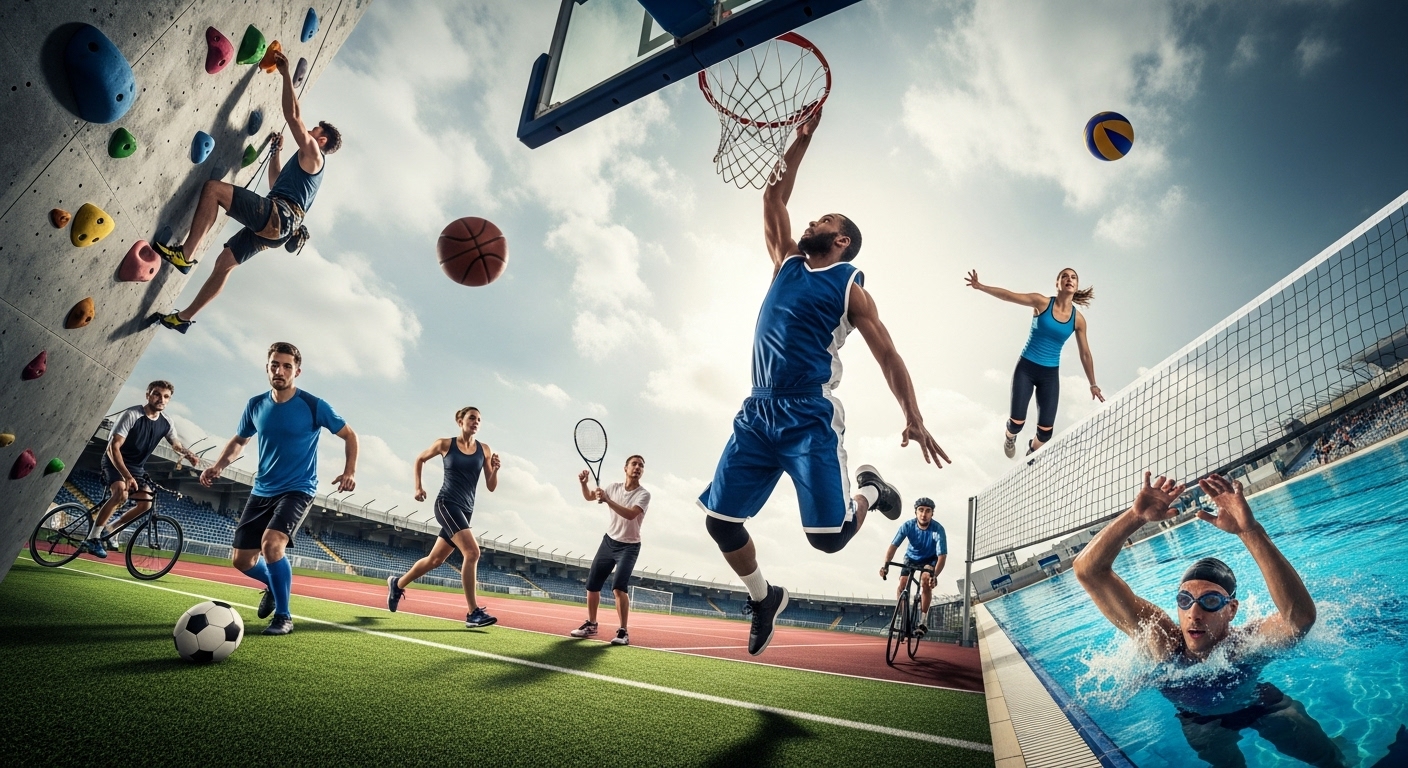

Sport is a universal language spoken by millions of people across the world. It transcends boundaries, unites nations, builds communities, and shapes individuals. Whether it’s the power of soccer to bring people together across continents, the rush of a marathon that transforms lives, or the simple joy of a weekend football game, sport plays an indispensable role in human culture. From its physical benefits to its social impact, sport is a transformative force in modern society.
In this blog, we explore the multifaceted impact of sport on our lives, the personal growth it fosters, its role in fostering unity, and its potential to drive social and economic change. We will delve into how sport has become a source of empowerment, a tool for healing, and a powerful force for social integration.
The Universal Language of Sport
One of the most remarkable aspects of sport is its ability to transcend borders, cultures, and languages. While every sport has its own set of rules, culture, and history, the passion and the joy it evokes are universally understood. Soccer in Brazil, cricket in India, rugby in New Zealand, or basketball in the United States — the specific games may differ, but the emotional highs and lows, the thrill of competition, and the euphoria of victory are shared experiences that unite people across the globe.
Sport is a shared experience that binds us as humans, irrespective of age, gender, or nationality. It has a unique ability to forge connections between strangers. A soccer match between two teams of different nationalities can lead to friendships and mutual respect that go beyond the boundaries of the field. Sports fans from opposite sides of the world can come together to cheer for their teams, celebrate victories, or mourn losses, finding common ground despite the differences in their backgrounds.
In times of crisis or social unrest, sport has been shown to unite people and offer a sense of hope. Events like the Olympics, the FIFA World Cup, or the Super Bowl are more than just competitions. They are celebrations of human achievement, and they provide a temporary escape from the struggles of everyday life.
In many ways, sport is a language of its own — one that speaks directly to the heart, bypassing cultural, linguistic, and social barriers. It is a platform where people can communicate their emotions, aspirations, and dreams, with the competition itself serving as a shared form of expression.
The Mental and Physical Benefits of Sport
Sport is widely acknowledged for its positive impact on physical health. Regular participation in physical activities has been proven to enhance cardiovascular health, increase strength and flexibility, and improve coordination. Whether it’s running, swimming, cycling, or playing team sports like soccer and basketball, exercise through sport helps to reduce the risk of chronic diseases such as heart disease, diabetes, and obesity.
In today’s world, where sedentary lifestyles are becoming increasingly common, sport is a vital tool for promoting physical fitness. It provides individuals with an enjoyable and often social way to stay active, encouraging long-term engagement in healthy behaviors. For children, participating in sports instills good habits early on, creating a foundation for a healthy and active lifestyle in adulthood.
Beyond its physical benefits, sport also has a profound impact on mental health. Exercise, particularly through sports, releases endorphins — the body’s natural “feel-good” chemicals. These chemicals help reduce stress, anxiety, and depression, promoting an overall sense of well-being. In addition to reducing the symptoms of mental health conditions, sport can boost confidence and self-esteem. The feeling of accomplishment that comes from setting and achieving goals in sports can translate into a greater sense of self-worth, which impacts every area of life.
Engaging in sport can also help individuals develop better coping mechanisms for stress. Whether it’s through the mental discipline of perfecting a technique or the emotional release of a competitive game, sport offers an outlet for tension and pressure. For many people, sport becomes an essential tool for managing daily stress, improving their mood, and maintaining mental equilibrium.
In addition to this, many people find that participation in sport helps to foster better sleep, enhance concentration, and boost cognitive function. For children and adolescents, engaging in sport has been linked to improved academic performance, better focus, and higher levels of motivation.
Developing Resilience, Discipline, and Leadership
One of the most significant lessons sport teaches is resilience. Whether it’s overcoming a tough opponent, recovering from an injury, or bouncing back after a defeat, sport constantly presents challenges that require perseverance. Athletes learn that setbacks are a part of the journey to success. In fact, the ability to face adversity and continue pushing forward is one of the most valuable lessons sport imparts.
Resilience doesn’t just apply to athletes on the field or court. It is a lesson that can be carried into every aspect of life. For example, an athlete who overcomes personal or professional challenges will apply the same resilience to their career or personal life. In this way, the mental toughness developed through sport can translate into improved problem-solving abilities, a stronger work ethic, and the determination to succeed.
Discipline is another key value learned through sports. Athletes must adhere to rigorous training schedules, follow strict diets, and constantly push themselves to improve. The structure provided by a sport helps individuals develop habits of self-control and time management. Discipline learned on the field can have a direct impact on one’s ability to succeed in other areas of life, from school to work.
Sport also fosters leadership skills. Many sports require teamwork, and the ability to work well with others is essential for success. Athletes must communicate effectively, collaborate, and support one another in order to achieve their goals. Leadership in sports isn’t limited to the captain of a team; anyone in a team can practice leadership by encouraging teammates, motivating others during tough moments, and taking initiative when needed.
The ability to lead, inspire, and follow is valuable not only in sports but in professional settings and social situations as well. Athletes who understand teamwork, communication, and responsibility are often highly regarded in the workplace, where these skills are essential for success.
Sport as a Tool for Social Integration
Sport has long been recognized as an effective way to promote social integration, particularly in diverse communities. In multicultural societies, sport offers a shared space where individuals from different backgrounds can come together, find common ground, and build relationships. This is particularly evident in urban areas, where people of various ethnicities, religions, and cultures live side by side.
In many cases, sports can help break down social barriers and reduce prejudice. When people from different walks of life share the same field, court, or pitch, they are forced to work together toward a common objective. These shared experiences foster a sense of belonging and equality, which can translate into better relationships and mutual respect outside of sport.
The power of sport to integrate communities is also evident in the way it can help marginalized groups find a voice. Women, for instance, have used sport to challenge gender norms and prove their capabilities in traditionally male-dominated arenas. The growth of women’s sports, particularly in soccer, basketball, and tennis, is a testament to how sport can empower women and promote gender equality.
Similarly, sport provides opportunities for people with disabilities to showcase their talents and challenge societal attitudes toward disability. The Paralympic Games and other adaptive sports competitions highlight the abilities of athletes with disabilities, helping to change perceptions and create more inclusive communities.
At a grassroots level, sport has been used as a tool for peacebuilding in conflict-ridden areas. In countries plagued by political instability or social unrest, sports programs are often implemented to bring together young people from opposing sides. These programs promote understanding, reduce tensions, and encourage positive, peaceful interactions.
The Economic Impact of Sport
The economic benefits of sport are often overlooked, but the impact of sport on the global economy is significant. The sports industry generates billions of dollars annually through broadcasting rights, sponsorships, merchandise sales, and ticket sales. Major sporting events, such as the Olympics, the FIFA World Cup, and international tennis tournaments, provide a significant economic boost to host cities and countries.
Sport also plays a vital role in local economies. Sports clubs and recreational leagues contribute to job creation, support local businesses, and generate revenue through events and tourism. Beyond direct economic gains, sport also promotes community development and revitalization, as cities invest in new facilities and infrastructure to accommodate growing sports tourism.
For athletes, sport can provide both personal and financial rewards. Professional athletes earn lucrative salaries, endorsement deals, and sponsorships, and many use their platform to advocate for causes that matter to them. In this sense, sport has the potential to generate not only wealth but also social influence.
Sport also has an indirect but substantial impact on other industries, including media, technology, and hospitality. From broadcasting networks to fitness apps and equipment manufacturers, the ripple effects of the sports industry extend far and wide, creating jobs, fostering innovation, and driving business growth.
The Future of Sport: Technology, Sustainability, and Inclusivity
The future of sport is poised to be shaped by technological advancements, growing inclusivity, and a focus on sustainability. Technology is already playing a transformative role in the way athletes train, compete, and engage with fans. From virtual reality and performance analytics to fan interaction via social media and mobile apps, the integration of technology in sports is improving the overall experience for both athletes and supporters.
Moreover, the use of technology in sport is helping to make the industry more accessible. The rise of e-sports, for instance, has opened up new opportunities for competitive gaming, attracting millions of fans around the world. This shift highlights the expanding definition of sport in the digital age, where virtual competitions are becoming just as significant as traditional physical sports.
Sustainability is also becoming an important consideration in the world of sport. As the environmental impact of large-scale events becomes more evident, sports organizations are adopting eco-friendly practices. This includes using sustainable materials for merchandise, reducing waste at events, and designing energy-efficient stadiums and facilities.
Furthermore, inclusivity will continue to be a key focus in the future of sport. Efforts to ensure equal opportunities for women, people with disabilities, and marginalized communities will likely increase. As society continues to evolve, so too will the role of sport in advocating for social justice, equality, and human rights.
Conclusion
Sport is not just about competition—it is about community, personal growth, and transformation. It unites people from diverse backgrounds, offers a platform for self-expression, and fosters values that can shape the future of society. From its physical and mental health benefits to its power as a catalyst for social change, sport plays a vital role in the lives of individuals and communities.
As technology continues to evolve, and as society places greater emphasis on inclusivity and sustainability, sport will continue to be a transformative force, not only in the realm of athletics but also in promoting unity, economic growth, and social progress. Whether as a participant, a fan, or a supporter, sport offers something for everyone, and its impact is undeniable. It will remain a central part of human culture, continuing to inspire, challenge, and connect us for generations to come.