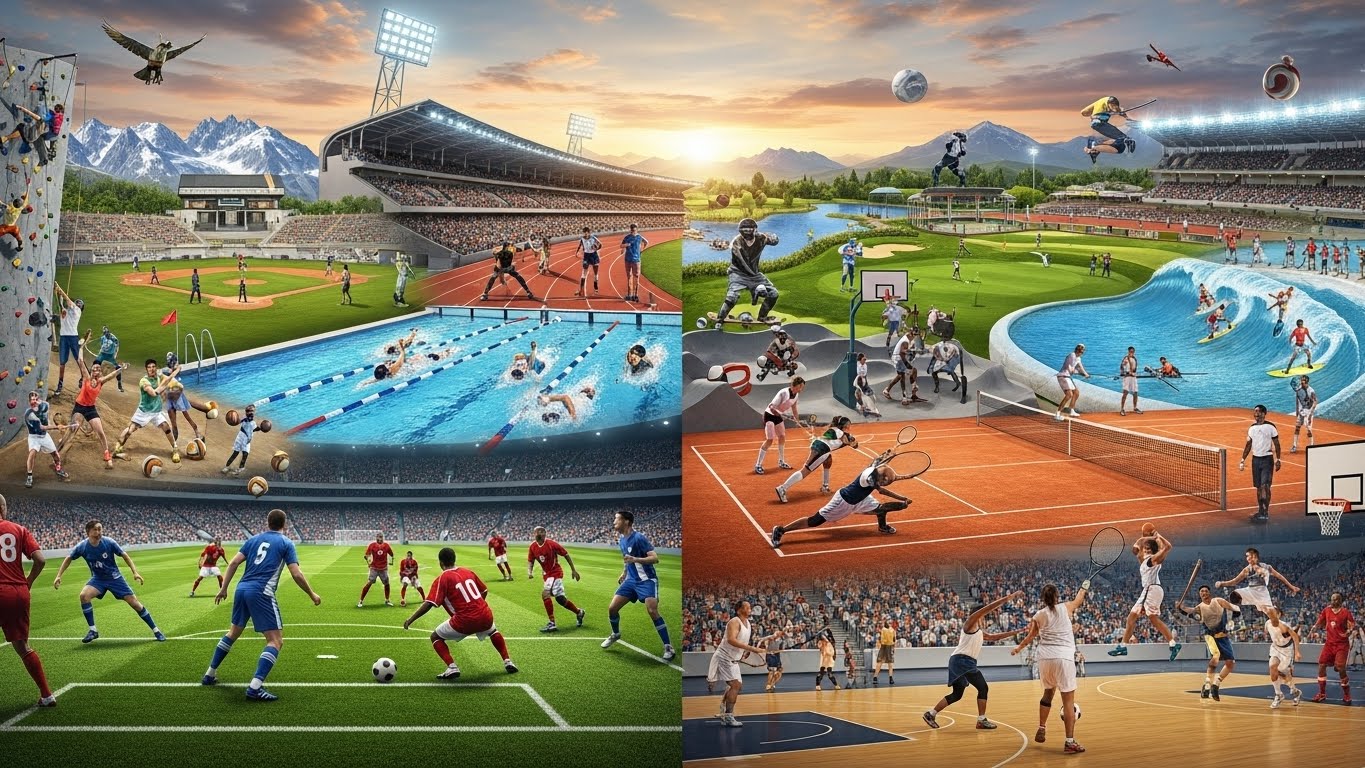
Sports are more than just games played on fields, courts, or tracks. They are a reflection of human culture, a tool for personal growth, and a unifying force across communities. From grassroots initiatives to international tournaments, sports influence our physical health, mental well-being, social relationships, and even economies. This article explores the multifaceted impact of sports, highlighting how they continue to shape lives and society in profound ways.
The History and Evolution of Sports
The history of sports stretches back thousands of years. Ancient civilizations, from Greece to China, organized competitions to showcase skill, strength, and strategy. The Olympic Games, originating in ancient Greece, exemplify the blend of athleticism and cultural celebration. Over time, sports have evolved, reflecting technological advancements, societal changes, and cultural trends. Today, traditional sports like soccer, basketball, and athletics exist alongside emerging disciplines, including extreme sports and eSports, showing the dynamic nature of human competition.
Physical Benefits of Sports
Engaging in sports offers unparalleled physical benefits. Regular participation improves cardiovascular health, muscular strength, flexibility, and coordination. Activities like swimming, running, and cycling enhance endurance, while team sports such as football, basketball, and hockey build agility and balance. Sports also play a crucial role in preventing chronic conditions like obesity, diabetes, and hypertension. Beyond physical fitness, the discipline involved in regular training fosters overall health and resilience, promoting longevity and quality of life.
Mental Health and Cognitive Benefits
Sports impact the mind as much as the body. Physical activity stimulates the release of endorphins, reducing stress, anxiety, and depression. Regular engagement improves concentration, memory, and cognitive function, particularly in young athletes. Team sports encourage communication, strategic thinking, and problem-solving, while individual sports promote focus and self-discipline. Learning to cope with wins and losses builds resilience and emotional intelligence, skills that extend far beyond the playing field and into everyday life.
Character Development and Life Skills
Participation in sports cultivates essential life skills. Discipline, perseverance, and time management are honed through rigorous practice and goal-oriented training. Sports teach humility in victory and grace in defeat, nurturing emotional maturity. Leadership emerges through team roles, while collaboration and mutual support foster teamwork. Many professional and personal successes can be traced to skills learned on the playing field. Sports not only strengthen the body but also build character, creating well-rounded individuals prepared for life’s challenges.
Sports in Education
Schools and universities have long recognized the educational value of sports. Athletic programs enhance physical fitness, promote social skills, and encourage discipline. Students involved in sports often demonstrate improved focus and academic performance due to the structured routines and responsibility required. Inter-school competitions foster community engagement, school spirit, and cultural exchange. Sports provide experiential learning, teaching teamwork, leadership, and resilience, complementing traditional academic education.
Social and Community Impact
Sports serve as a powerful tool for social cohesion. Local tournaments, recreational leagues, and community programs bring people together, fostering camaraderie and mutual respect. Sports break down barriers of race, gender, and socioeconomic status, promoting inclusivity and equality. They provide safe spaces for youth engagement, helping reduce crime and antisocial behavior. Major sporting events, from local championships to international tournaments, cultivate a sense of belonging, pride, and collective identity within communities.
Economic Influence of Sports
The sports industry is a significant economic driver. Professional leagues, events, merchandising, broadcasting, and sponsorship deals generate billions annually. International tournaments stimulate tourism, create jobs, and boost local economies. Athletes and teams influence consumer behavior, and sports-related industries—including apparel, equipment, and media—thrive as a result. Even grassroots programs contribute economically by engaging local businesses and encouraging community participation. Sports demonstrate how entertainment, commerce, and culture can intertwine to create economic impact.
Technological Advancements in Sports
Technology has transformed how sports are played, viewed, and analyzed. Advanced equipment enhances performance and safety, while wearable devices track metrics such as heart rate, speed, and stamina. Video analysis and data analytics allow coaches and players to refine strategies and improve outcomes. Broadcasting innovations, including high-definition streaming and instant replays, have elevated fan experiences. Technology continues to push the boundaries of human performance and spectator engagement, shaping the future of sports at every level.
Globalization of Sports
Sports transcend cultural and geographic boundaries. International competitions bring together athletes and fans from diverse backgrounds, fostering cross-cultural understanding and unity. Global fan bases connect through social media and live streaming, sharing experiences regardless of location. Iconic events such as the FIFA World Cup or the Olympic Games become global spectacles, celebrating both athletic excellence and international solidarity. The universal appeal of sports lies in its ability to unite people through shared passion and friendly competition.
Women in Sports
Historically, sports have been male-dominated, but women are increasingly making their mark. Female athletes have shattered stereotypes, demonstrating skill, strength, and resilience across disciplines. The rise of women’s leagues, tournaments, and scholarships promotes equality and inspires future generations. Women’s participation in sports challenges societal norms, fosters empowerment, and provides role models for young girls. Gender inclusivity in sports reflects broader social progress, highlighting the transformative power of athletic participation.
Youth Engagement in Sports
Encouraging young people to participate in sports is critical for their holistic development. Sports teach essential life skills, including cooperation, perseverance, and goal-setting. They provide constructive outlets for energy, reducing the likelihood of negative behaviors. Youth programs and school teams promote physical fitness, social interaction, and mental well-being. By nurturing talent from an early age, society ensures a future generation that values health, teamwork, and resilience, while also fostering potential professional athletes.
Cultural Significance of Sports
Sports carry profound cultural meaning. National teams, traditional games, and iconic athletes become symbols of identity and pride. Sporting events preserve cultural heritage, revive traditions, and strengthen community bonds. They create shared narratives and collective memories, connecting generations. Whether it is the thrill of a local competition or the grandeur of the Olympics, sports cultivate a sense of belonging and shared joy, enriching cultural life and reinforcing social cohesion.
Challenges in Modern Sports
Despite their many benefits, sports face challenges in the modern era. Commercialization can sometimes overshadow the spirit of fair play, while doping and unethical practices threaten integrity. Accessibility remains an issue for marginalized communities, limiting opportunities for participation. Mental health concerns for professional athletes, including stress and burnout, require greater attention. Addressing these challenges is essential to preserve sports as a force for personal growth, societal connection, and ethical competition.
The Future of Sports
The future of sports is dynamic and promising. Emerging technologies, such as virtual reality, wearable devices, and AI analytics, will continue to enhance performance and fan experiences. Greater emphasis on inclusivity and accessibility will ensure that more people can participate and benefit from sports. New sports and hybrid disciplines may emerge, reflecting societal changes and technological innovation. As society evolves, sports will remain a vital platform for health, community, and global connection, continuing to inspire generations to come.
Conclusion
Sports are far more than games—they are a powerful force shaping physical health, mental well-being, character development, and society at large. They teach discipline, resilience, teamwork, and leadership, while fostering social cohesion and cultural identity. Economically, technologically, and culturally, sports influence countless aspects of modern life. By celebrating and supporting sports in all their forms, society ensures that future generations continue to experience the joy, growth, and unity that athletics uniquely provide. Sports remain a testament to human spirit, creativity, and the universal desire to compete, collaborate, and connect.