
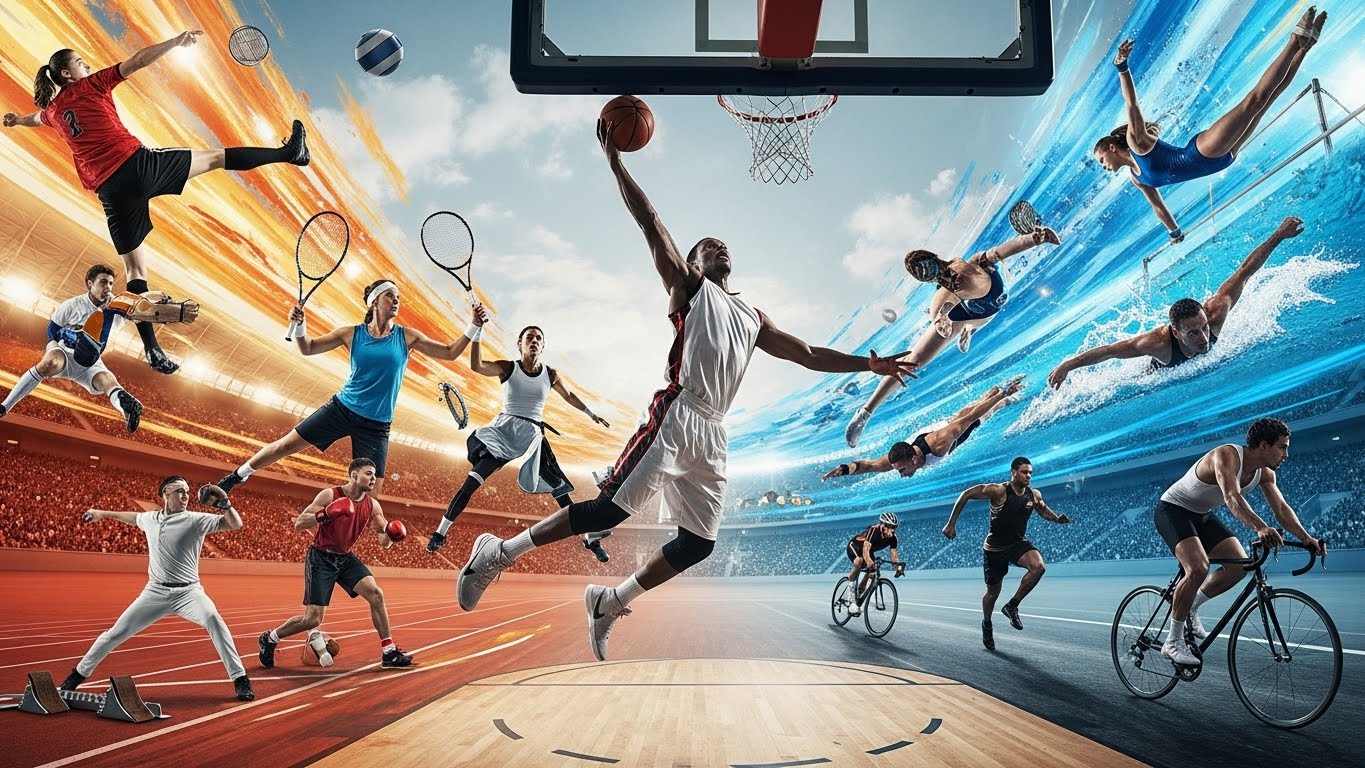
Sports have been an integral part of human culture for millennia, from the ancient Olympic Games in Greece to the modern-day global phenomenon of professional sports leagues. Whether played for recreation, competition, or entertainment, sports have the unique ability to bring people together, transcend boundaries, and inspire us to achieve greatness. For millions of fans around the world, the excitement and passion of sports form an essential part of daily life.
In this blog post, we will explore the significance of sports in society, the benefits they provide, and how they shape our world both on and off the field. From fostering physical and mental health to promoting social cohesion, sports continue to play an essential role in our lives. We’ll also dive into the economic impact of sports and examine how technology is shaping the future of athletics.
The Universal Language of Sports
What makes sports so powerful is their ability to transcend language, culture, and geography. Whether you’re watching a football game in the United States, a cricket match in India, or a soccer match in Brazil, the essence of the competition remains the same. The athletes, the fans, and the passion that fuels these events create a universal experience that connects us all.
Sports serve as a global language. From the streets of Rio de Janeiro to the fields of rural Africa, the love for the game creates bonds among people who may never share a common language. This shared passion for competition and camaraderie enables sports to bridge divides in ways that few other activities can. In a world increasingly divided by politics, ethnicity, and religion, sports provide a unifying force that brings people together in celebration of shared achievement and the pursuit of excellence.
For instance, events like the FIFA World Cup and the Olympic Games have the power to unite nations. During these global sporting events, people from different backgrounds and beliefs come together to cheer for their athletes. In such moments, the barriers of nationality and politics often dissolve, replaced by a common desire for victory. Whether you are cheering for your national team or rooting for your favorite athletes, the joy and collective pride in sporting success foster a sense of global community.
Physical and Mental Health Benefits of Sports
One of the most obvious reasons people engage in sports is the physical benefits they provide. Whether you play sports casually or at a competitive level, the positive effects on your body are undeniable. Regular participation in physical activities like soccer, basketball, tennis, and swimming can improve cardiovascular health, build muscle strength, and enhance flexibility. These benefits extend well beyond athletic performance, contributing to an overall healthy lifestyle.
For example, cardiovascular activities such as running or cycling are excellent for boosting heart health and improving lung capacity. Weight-bearing sports like basketball and tennis help increase bone density, reducing the risk of osteoporosis. Moreover, team sports can improve coordination, balance, and agility, which are important as we age. The act of exercising while playing sports also helps to regulate weight, reduce the risk of chronic diseases like diabetes, and improve overall stamina and energy levels.
The mental health benefits of sports are equally significant. Participating in sports can reduce stress and anxiety, improve mood, and enhance self-esteem. Physical activity releases endorphins, which are chemicals in the brain that promote feelings of happiness and well-being. This can help alleviate symptoms of depression and provide a natural way to manage stress. Sports also offer an effective way to escape the pressures of daily life and focus the mind on something productive and enjoyable.
Team sports, in particular, foster a sense of belonging and camaraderie, which can be crucial for mental well-being. Being part of a team offers opportunities for social interaction, mutual support, and shared goals. The bonds formed through sport often extend beyond the field, as teammates develop friendships that can last a lifetime. For many people, this social aspect of sports is just as valuable as the physical or competitive benefits.
The Social and Cultural Impact of Sports
Sports have an undeniable impact on society and culture. They shape how we view competition, success, and teamwork. From a young age, people are taught the importance of playing fair, working together, and persevering in the face of adversity. These lessons often extend beyond the playing field and into other aspects of life.
For children and young adults, participation in sports teaches important life skills like discipline, teamwork, and leadership. Playing on a sports team requires individuals to collaborate with others, communicate effectively, and support one another. These are invaluable skills that contribute to success in both personal and professional life. Additionally, athletes learn how to handle failure and success with grace, a lesson that is especially important in today’s fast-paced, result-driven world.
On a cultural level, sports often serve as a form of identity and pride for communities and nations. Major sports events like the Super Bowl, World Series, or Wimbledon create shared experiences that are celebrated by people of all ages and backgrounds. The unity experienced during these events is a reflection of the larger social and cultural impact that sports have on society. They help to create a sense of belonging, both for those who play and those who watch.
In many parts of the world, sports have become a key component of local identity. The success of a local team can instill a sense of pride that extends beyond the immediate sports community. For example, the city of Barcelona takes immense pride in its soccer team, FC Barcelona, which is more than just a sports club; it’s a symbol of the region’s culture and political autonomy. Similarly, the success of national teams in international competitions often sparks a wave of national pride, fostering unity during times of celebration.
The Economic Power of Sports
Beyond the individual benefits of sports, the industry itself has become an economic powerhouse. The global sports industry is worth billions of dollars, with revenue generated through ticket sales, television broadcasting, sponsorships, merchandise, and even sports betting. Major sports leagues like the National Football League (NFL), the National Basketball Association (NBA), and Major League Baseball (MLB) generate enormous amounts of money each year. The athletes, coaches, team owners, and millions of employees involved in the industry contribute to a thriving global economy.
The economic impact of sports extends far beyond the professional level. Local communities benefit from sports through job creation, tourism, and infrastructure development. Sports stadiums, arenas, and facilities create jobs in construction, security, hospitality, and maintenance. Hosting a major sporting event, such as a World Cup or the Olympics, can stimulate local economies by attracting tourists and generating revenue from sponsorships and partnerships. It can also lead to long-term economic benefits through improved infrastructure, such as better transportation systems and the development of tourism sectors.
In addition to the direct economic contributions, sports serve as a marketing and branding tool for companies worldwide. Corporations spend millions of dollars each year sponsoring events, athletes, and teams, leveraging the popularity and visibility of sports to reach vast audiences. This relationship between sports and business has created a mutually beneficial ecosystem, where both the entertainment industry and corporate brands thrive.
The Technological Revolution in Sports
Technology has significantly transformed sports, both in how they are played and how they are consumed by audiences. The introduction of video replay, advanced analytics, and smart equipment has changed the way athletes train and perform. Coaches now use video analysis and data-driven insights to evaluate player performance, develop strategies, and make informed decisions during games. Sports analytics has become a growing field, with professionals dedicated to analyzing player statistics, team performance, and even predicting game outcomes.
For fans, technology has revolutionized the way they experience sports. Live broadcasts, streaming platforms, and social media have made it possible to watch games from anywhere in the world, at any time. Virtual and augmented reality are also on the horizon, offering fans immersive experiences that bring them closer to the action. These advancements in sports media consumption allow fans to engage with their favorite teams and athletes in more dynamic and interactive ways than ever before.
Moreover, technology is shaping the future of sports with innovations such as wearable fitness trackers, smart equipment, and enhanced fan experiences in stadiums. For athletes, devices like heart rate monitors, GPS trackers, and motion sensors provide real-time feedback on performance, helping to optimize training and prevent injuries. These technological tools enhance athletes’ abilities to push their limits and improve overall performance.
The Future of Sports: Inclusivity and Sustainability
As sports continue to evolve, there are two critical trends that will shape their future: inclusivity and sustainability. The sports industry is becoming more inclusive, with a growing emphasis on gender equality, accessibility for people with disabilities, and the representation of diverse communities. Women’s sports are gaining increasing visibility and recognition, and major leagues and tournaments are providing more opportunities for female athletes to compete at the highest levels. Additionally, initiatives aimed at making sports more accessible for people with disabilities have created new opportunities for athletes with physical challenges to participate in competitive sports.
Sustainability is also becoming a significant focus in the sports world. From reducing waste at sporting events to designing energy-efficient stadiums, the industry is taking steps to address its environmental impact. As fans become more conscious of the environmental issues surrounding large-scale events, sports organizations are implementing green practices to reduce their carbon footprint. The future of sports will likely involve a greater emphasis on sustainability, with leagues, teams, and organizations committed to ensuring that athletic competition has a minimal impact on the planet.
Conclusion
Sports are far more than just games; they are a reflection of the values, cultures, and societies in which we live. Whether played for fun or professionally, sports provide countless benefits to individuals and communities alike. From fostering physical and mental health to creating a sense of unity and pride, sports continue to have an enduring impact on the world. As the industry continues to evolve, it will remain a powerful force for personal growth, economic development, and social change, inspiring future generations to engage in the pursuit of excellence.