Introduction: The Universal Power of Sports
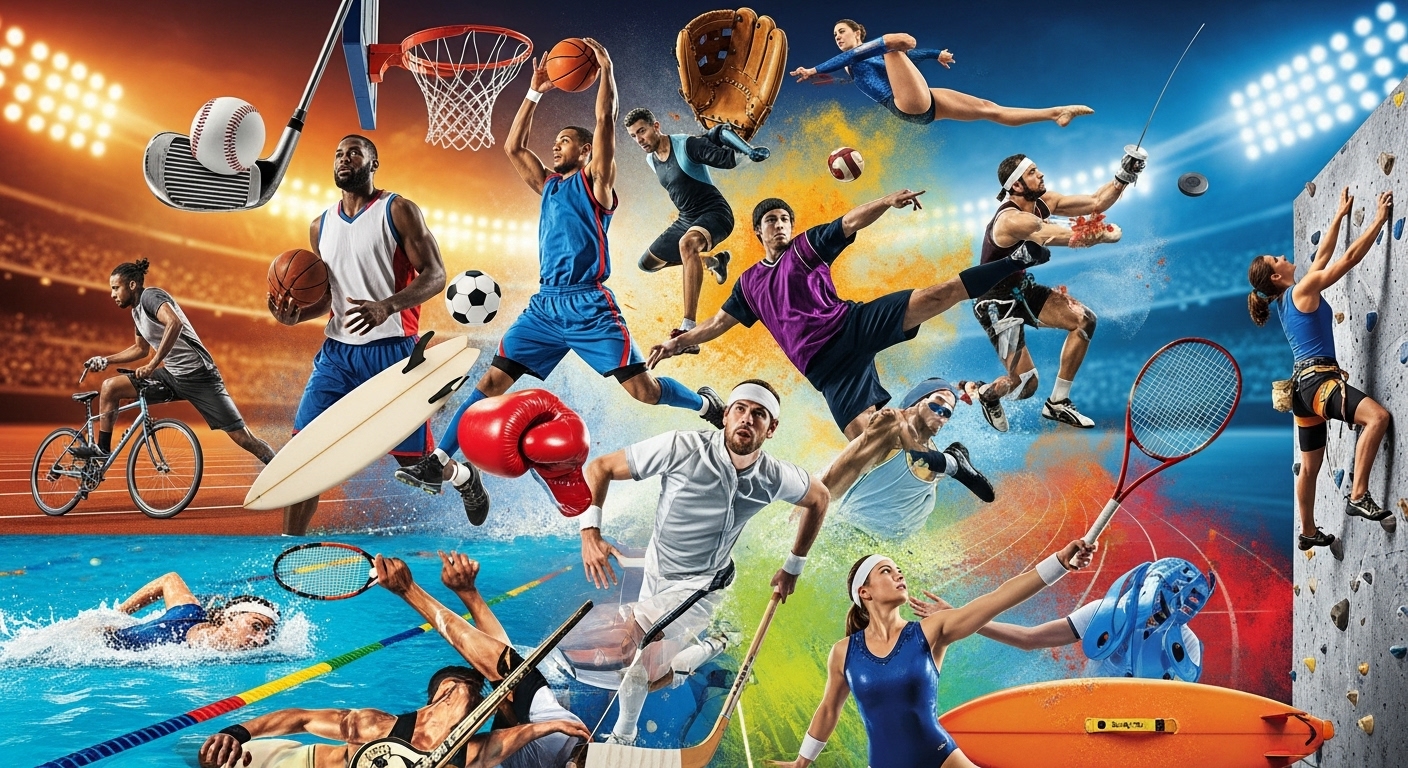
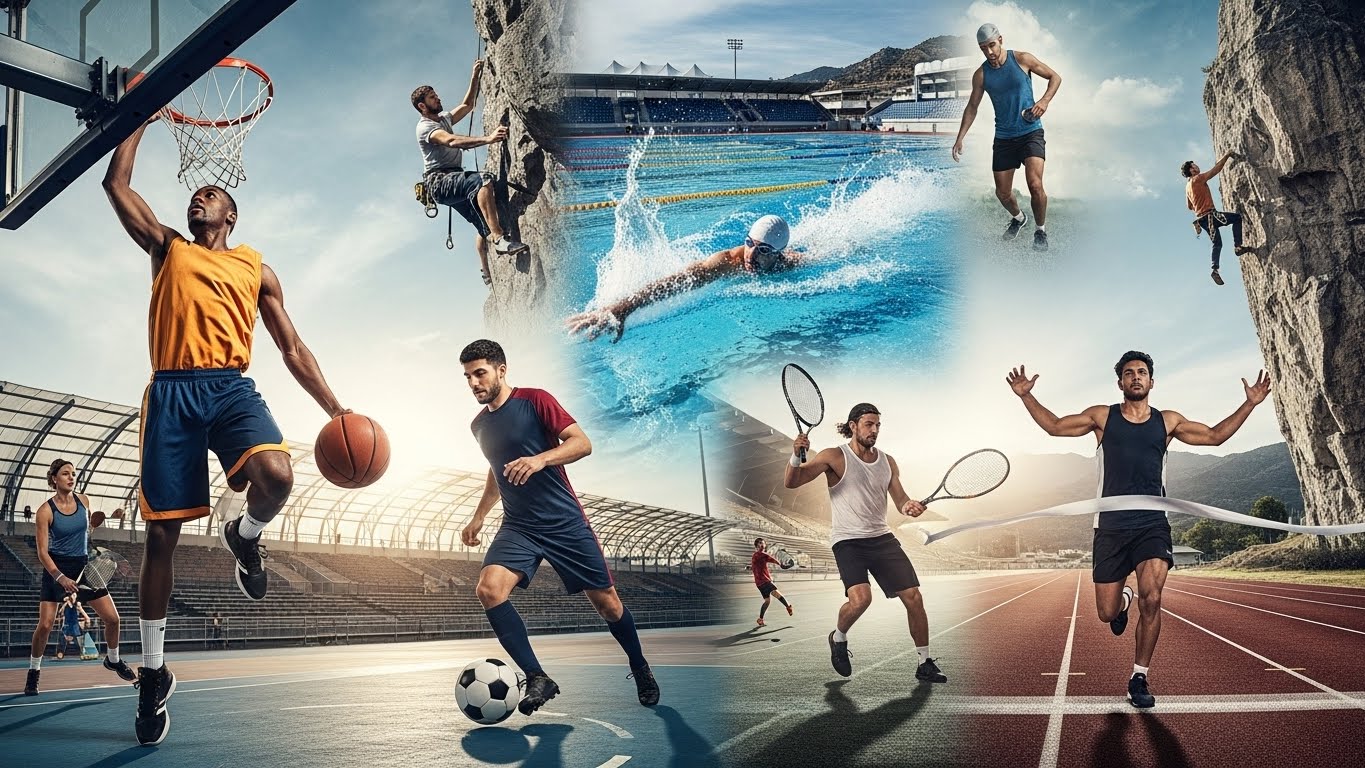
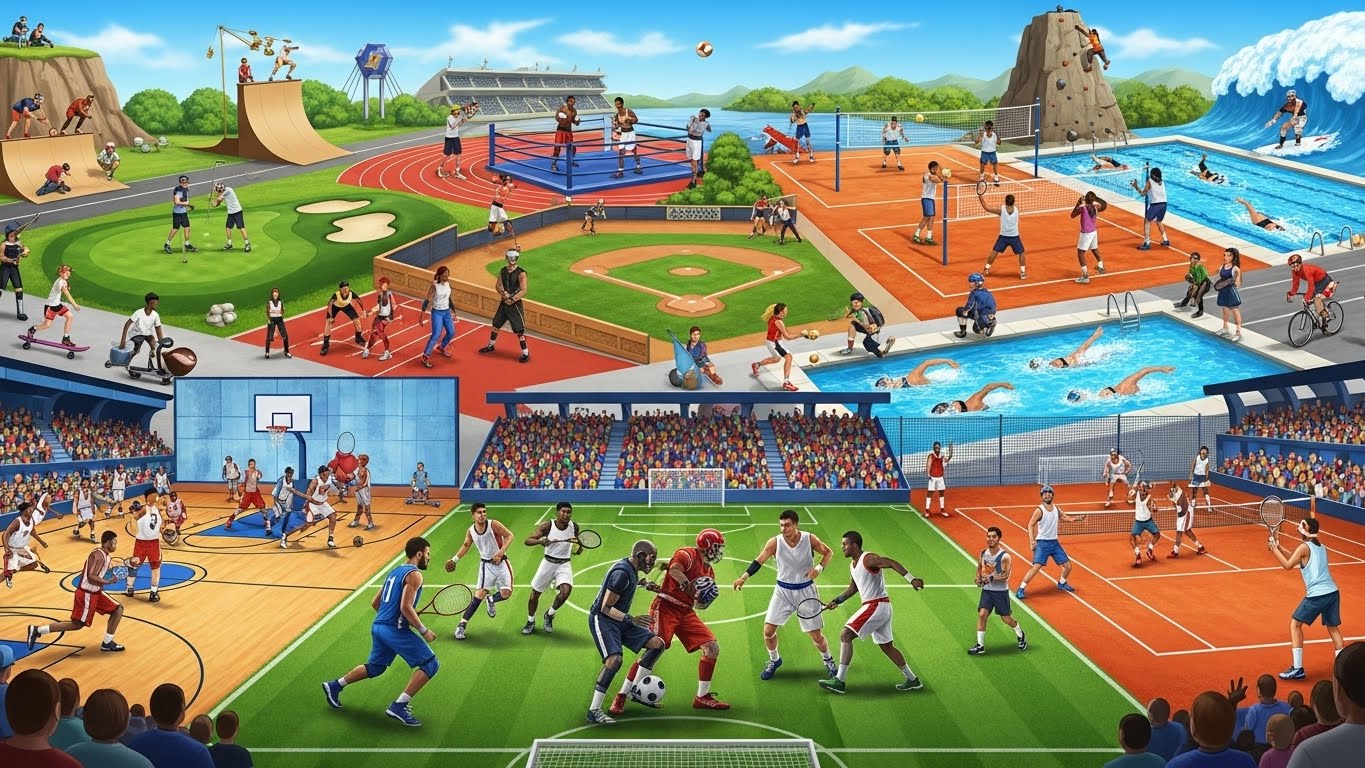
Sports are far more than just physical activity or entertainment; they are a universal phenomenon that connects people, inspires communities, and drives personal growth. Whether it is children playing in local parks, professional athletes competing on international stages, or fans celebrating victories, sports play a vital role in shaping culture, promoting health, and building character. Beyond recreation, sports teach discipline, teamwork, resilience, and determination. This blog explores the multifaceted impact of sports, from their historical roots to their influence on society and the future of athletics.
The History and Evolution of Sports
Sports have existed since ancient times, serving both as entertainment and as a method to train the body and mind. Early civilizations developed competitions that tested strength, endurance, and strategy. Ancient Greece’s Olympic Games celebrated athletic prowess and honored the gods, establishing a tradition that continues today. Similarly, traditional games in Africa, Asia, and the Americas reflected cultural values, social cohesion, and skill development.
Over centuries, sports evolved into structured activities with formal rules, leagues, and governing bodies. Modern sports are characterized by professionalism, standardized competitions, and international recognition. From local tournaments to global events, the evolution of sports highlights humanity’s enduring fascination with challenge, achievement, and shared experiences.
Physical Benefits of Sports
The most apparent impact of sports is on physical health. Regular participation improves cardiovascular endurance, strength, flexibility, and coordination. Sports activities, ranging from soccer and basketball to swimming and running, enhance overall fitness and contribute to a healthy lifestyle.
Engaging in sports reduces the risk of chronic illnesses such as heart disease, diabetes, and obesity. It strengthens muscles and bones, improves posture, and boosts energy levels. Regular physical activity through sports also improves balance, agility, and motor skills, laying the foundation for a lifetime of healthy habits.
Mental and Emotional Benefits
Sports provide significant mental and emotional benefits. Physical activity releases endorphins, which reduce stress, anxiety, and depression while improving mood. Participation in sports also enhances focus, concentration, and cognitive function, which are particularly beneficial for students and professionals.
Moreover, sports teach individuals how to handle pressure, setbacks, and challenges. Athletes develop resilience, determination, and problem-solving abilities, which are valuable skills both on and off the field. Team sports, in particular, help cultivate leadership skills, decision-making capabilities, and the ability to work under pressure.
Teamwork and Social Skills
Sports are an effective way to develop teamwork and social interaction. Team sports teach collaboration, communication, and mutual support. Players learn to rely on each other, share responsibilities, and contribute to a common goal. These skills extend beyond sports, helping individuals navigate personal and professional relationships.
Sports also foster camaraderie and friendship. Participating in leagues, clubs, or school teams encourages social bonding, trust, and respect. Individuals learn how to work with diverse personalities, manage conflicts, and celebrate collective success. The social dimension of sports enriches community life and strengthens interpersonal skills.
Cultural Impact of Sports
Sports play a significant role in shaping culture and national identity. International events such as the Olympics, FIFA World Cup, and Wimbledon create global excitement and bring people together across borders. Athletes often become cultural icons, inspiring millions through their talent, dedication, and sportsmanship.
Sports also reflect societal values and traditions. Traditional games, martial arts, and local competitions celebrate heritage while promoting discipline, skill, and teamwork. Through sports, societies pass down values such as fairness, perseverance, and respect for others, reinforcing cultural cohesion and pride.
Economic Significance of Sports
Sports are a major economic driver. Professional leagues, tournaments, and events generate revenue through ticket sales, sponsorships, merchandise, and media rights. The industry also provides employment opportunities in coaching, event management, marketing, journalism, and sports medicine.
Local and national economies benefit from sports tourism, stadium construction, and global competitions. Sponsorship deals, endorsements, and brand partnerships further contribute to economic growth. The financial ecosystem surrounding sports demonstrates its broader impact beyond physical activity, making it a vital sector for innovation and development.
Technology in Sports
Technology has transformed how sports are played, analyzed, and consumed. Video analysis, wearable devices, and performance tracking tools help athletes optimize skills, monitor health, and prevent injuries. Advanced equipment and materials improve safety, precision, and performance.
Digital broadcasting and streaming platforms allow fans to follow games in real-time, creating global fanbases. Virtual reality and augmented reality are emerging as innovative ways to enhance training, fan engagement, and interactive experiences. Technology has bridged the gap between athletes, coaches, and audiences, making sports more accessible, immersive, and engaging.
Inclusion and Diversity in Sports
Sports promote inclusion and diversity by offering opportunities for people of all backgrounds and abilities. Adaptive sports programs enable individuals with disabilities to compete and thrive. Women’s sports leagues and youth programs ensure equitable participation and recognition.
Inclusive sports initiatives foster equality, break stereotypes, and empower participants. They encourage communities to embrace diversity while celebrating talent and dedication. The universal nature of sports ensures that everyone can find a place to contribute, learn, and succeed.
The Psychological Role of Competition
Competition is central to sports. It challenges athletes to push their limits, improve performance, and develop mental toughness. While winning is celebrated, learning to cope with losses is equally important, teaching humility, resilience, and perseverance.
Healthy competition motivates individuals to set goals, focus, and strive for excellence. It develops strategic thinking, quick decision-making, and the ability to handle high-pressure situations. The lessons learned through competitive sports extend beyond the field, influencing personal and professional growth.
Youth Development Through Sports
Sports are essential for youth development. Participation in athletic activities from an early age promotes physical fitness, discipline, and teamwork. Young athletes develop confidence, time management, and leadership skills while forming friendships and social connections.
Schools and community programs that emphasize sports provide structured environments for learning and growth. Sports also offer constructive outlets for energy, stress, and creativity. Encouraging youth participation ensures the development of healthy, well-rounded individuals who carry valuable life skills into adulthood.
Health Awareness and Community Impact
Sports encourage communities to adopt active and healthy lifestyles. Public events, marathons, and wellness campaigns linked to sports promote fitness, nutrition, and preventive healthcare. Athletes often serve as role models, inspiring others to pursue physical activity and make healthier choices.
Sports also unite communities through shared experiences. Local leagues, school competitions, and public events foster engagement, solidarity, and community pride. By promoting health and social cohesion, sports positively impact both individuals and society.
The Future of Sports
The future of sports is filled with innovation, accessibility, and global connection. Advances in technology, including wearable devices, artificial intelligence, and data analytics, will enhance performance, fan engagement, and training methods. Virtual reality and esports are redefining athletic competition, blending physical skill with digital experiences.
Sports will continue to unite communities, celebrate diversity, and inspire individuals. Emphasis on sustainability, ethical practices, and inclusivity will ensure that sports remain a positive force for social and cultural development. The evolving landscape promises exciting opportunities for athletes, fans, and communities worldwide.
Conclusion: Sports as a Catalyst for Growth
Sports are more than competitions; they are a catalyst for physical, mental, and social development. They teach discipline, teamwork, resilience, and leadership while fostering community pride and global connection. From local playgrounds to international arenas, sports inspire individuals, unite societies, and drive economic and cultural growth.
Participation in sports nurtures healthy bodies, sharp minds, and strong social bonds. The lessons learned on the field—perseverance, focus, and collaboration—translate into all areas of life. As society evolves, sports will continue to serve as a universal language that connects, motivates, and transforms individuals and communities worldwide.