
Introduction: The Universal Language of Sports
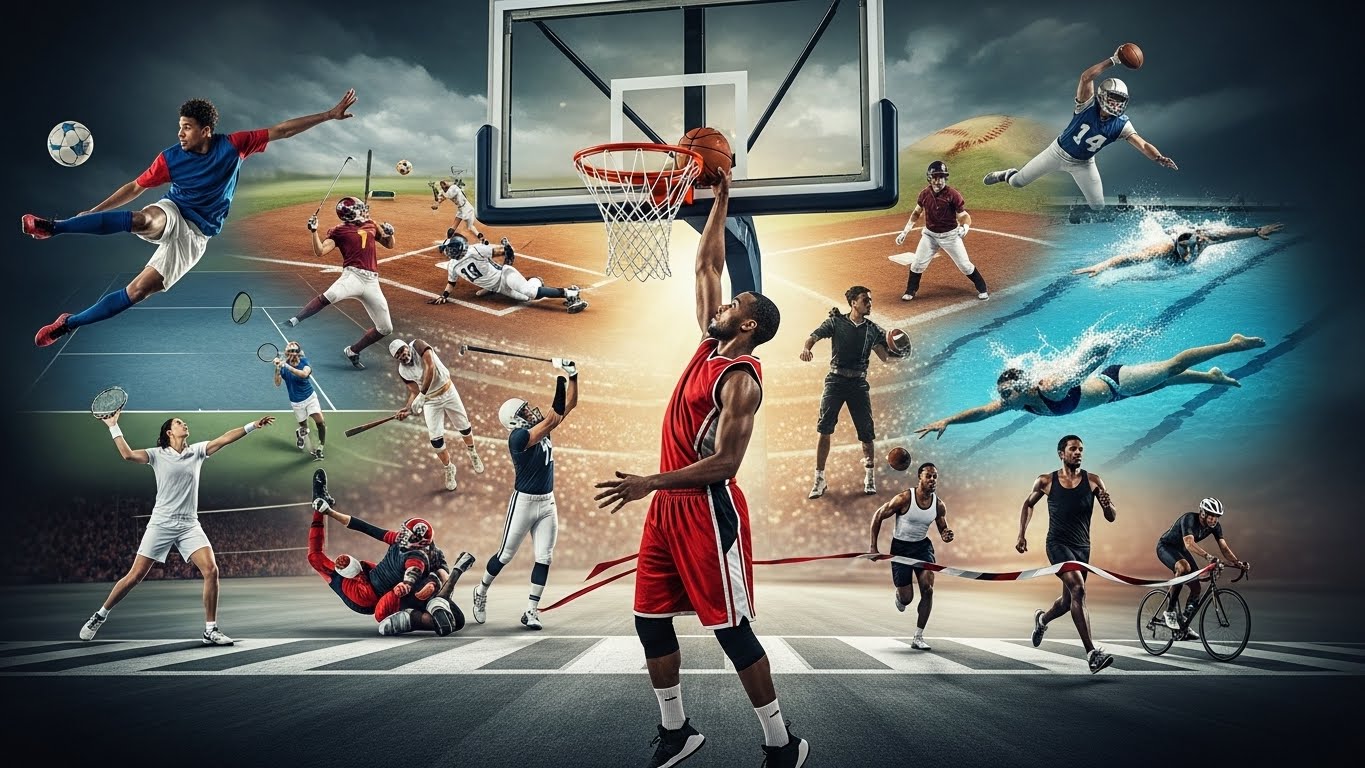
Sports have always been more than just games. Across cultures and generations, sports serve as a universal language, bringing people together, inspiring dedication, and celebrating the human spirit. From amateur athletes in local communities to professionals competing on the world stage, sports teach discipline, resilience, and teamwork. They entertain, challenge, and motivate millions while reflecting societal values and cultural trends. In today’s fast-paced world, sports remain a powerful force, influencing lifestyles, health, and social connections in ways few other activities can match.
The Historical Significance of Sports
The history of sports dates back thousands of years, with evidence of organized competitions in ancient civilizations such as Egypt, Greece, and China. The ancient Olympic Games in Greece were among the earliest examples of international sporting events, celebrating physical excellence, skill, and honor. Over time, sports evolved into structured activities with rules, leagues, and global competitions. The historical importance of sports lies not only in entertainment but also in fostering unity, national pride, and cultural identity. Even today, sporting events serve as powerful reminders of human achievement and resilience.
The Physical and Mental Benefits of Sports
Participation in sports offers profound physical and mental benefits. Regular physical activity improves cardiovascular health, strengthens muscles, enhances flexibility, and reduces the risk of chronic diseases. Beyond the body, sports also enhance mental well-being by reducing stress, improving focus, and boosting self-esteem. Team sports teach collaboration, communication, and leadership, while individual sports foster self-discipline, determination, and resilience. Whether for professional athletes or recreational participants, sports provide a holistic approach to health, emphasizing both physical fitness and mental strength.
Popular Sports Around the World
Sports are diverse, encompassing a wide range of activities that cater to different interests and skills. Football, also known as soccer, dominates in many countries due to its simplicity, global appeal, and passionate fan base. Basketball combines athleticism with strategy and is widely popular across continents. Cricket enjoys immense popularity in South Asia and parts of Europe, offering both excitement and cultural significance. Tennis, athletics, swimming, and martial arts attract dedicated participants and audiences, each with unique traditions, techniques, and competitive structures. The diversity of sports reflects the variety of human abilities and cultural preferences worldwide.
The Role of Professional Sports
Professional sports have elevated athletic competition to an entirely new level. Professional leagues, such as football’s international championships or basketball’s major leagues, draw millions of spectators and generate significant revenue. Athletes dedicate their lives to mastering their craft, inspiring fans with their skill, perseverance, and dedication. Professional sports also influence broader society, driving economic activity, promoting tourism, and shaping cultural trends. The spectacle of professional competition captures global attention, making sports a cornerstone of entertainment and societal engagement.
Sports as a Platform for Community and Social Connection
Sports have the remarkable ability to bring communities together. Local leagues, school teams, and neighborhood clubs foster a sense of belonging and camaraderie. Fans connect over shared enthusiasm, celebrating victories and enduring defeats together. Community engagement through sports encourages participation, volunteerism, and social cohesion. Sporting events also provide opportunities for mentorship, youth development, and cultural exchange, reinforcing the idea that sports are more than competition—they are a foundation for building relationships and strengthening communities.
The Influence of Sports on Culture and Identity
Sports shape culture and identity in profound ways. National teams competing in international tournaments become symbols of pride and unity. Local sports traditions reflect regional values and history. Athletes often serve as role models, inspiring young people to pursue excellence, perseverance, and ethical conduct. Beyond personal identity, sports influence fashion, music, and social trends, becoming intertwined with lifestyle and media. The cultural significance of sports extends beyond performance, highlighting their role as a mirror of society and a driver of shared experiences.
The Economic Impact of Sports
Sports are also an economic powerhouse, driving billions in revenue worldwide. Professional leagues, sponsorships, merchandising, broadcasting rights, and tourism contribute to significant financial activity. Major sporting events, such as the Olympic Games or the World Cup, generate global economic ripple effects, creating jobs and boosting local economies. The sports industry also supports ancillary businesses, including sports equipment manufacturing, media production, fitness centers, and health services. The economic dimension underscores the importance of sports not only as entertainment but also as a vital contributor to global and local development.
The Psychological Lessons of Sports
Sports teach valuable life lessons. Athletes learn the importance of discipline, resilience, patience, and teamwork. Success is earned through consistent effort, strategic planning, and mental toughness. Sports also teach individuals to cope with failure, to adapt to challenges, and to maintain focus under pressure. These psychological lessons extend beyond the playing field, shaping character and influencing personal and professional growth. Sports serve as a training ground for life, reinforcing values that contribute to long-term success and fulfillment.
Women in Sports: Breaking Barriers
The inclusion of women in sports has grown significantly, challenging historical barriers and stereotypes. Female athletes excel across disciplines, from athletics and football to tennis and martial arts. Their achievements inspire new generations, promoting equality, empowerment, and opportunity. Increased visibility of women’s sports has driven social change, encouraging broader participation and support. Recognition of female athletes highlights the importance of inclusivity in sports and reinforces the idea that talent, dedication, and passion transcend gender.
Technological Advancements in Sports
Technology has transformed how sports are played, analyzed, and consumed. Advanced equipment improves performance and safety, while data analytics enhance strategy and training. Video replay and sensor technology increase fairness and precision in officiating. Digital media and streaming platforms allow fans to follow events in real time, connecting global audiences to local and international competitions. Technology has revolutionized sports, making them more engaging, accurate, and accessible, while offering athletes new tools to maximize their potential.
The Role of Youth and Grassroots Sports
Youth sports programs are vital for nurturing talent, promoting physical fitness, and instilling discipline. Grassroots initiatives provide access to organized activities, encouraging participation regardless of socioeconomic background. Young athletes learn teamwork, resilience, and healthy competition, laying the foundation for future success both on and off the field. Grassroots programs also foster community engagement, mentorship, and cultural exchange, emphasizing that the impact of sports extends beyond professional arenas and into everyday life.
Global Sporting Events: Uniting the World
Major international sporting events capture the attention of millions and foster global unity. The Olympic Games, FIFA World Cup, and other international competitions bring together athletes and fans from diverse cultures, celebrating human achievement and cooperation. These events transcend borders, promote cultural exchange, and inspire shared enthusiasm. Global sporting spectacles remind us that, despite differences in language, culture, or geography, sports have the power to unite humanity in celebration of skill, perseverance, and excellence.
Conclusion: The Enduring Legacy of Sports
Sports are a cornerstone of human culture, offering far more than entertainment. They shape physical and mental well-being, teach valuable life lessons, strengthen communities, and influence culture on a global scale. From local youth leagues to international tournaments, sports inspire passion, dedication, and connection. They reflect the best of human potential, celebrating resilience, teamwork, and achievement. In an increasingly digital and fast-paced world, sports remain a timeless and universal source of joy, inspiration, and unity. The spirit of competition continues to drive innovation, cultural exchange, and personal growth, making sports an enduring force that shapes both individual lives and society at large.