
Introduction: The Enduring Impact of Sports
Sports have been an integral part of human society for centuries. From ancient contests in Greece to modern international tournaments, sports have entertained, challenged, and inspired people across the globe. Beyond physical activity, sports have become a powerful platform for personal growth, social connection, and cultural influence. They teach discipline, perseverance, teamwork, and resilience—qualities that extend far beyond the field of play.
Sports are more than just competition. They are a reflection of human ambition, creativity, and spirit. Whether it is the thrill of victory, the agony of defeat, or the camaraderie of shared effort, sports mirror life itself. They provide an arena where individuals and teams test their limits, overcome challenges, and celebrate achievements, making sports an essential element of modern society.
The Evolution of Sports: From Tradition to Modern Spectacle
The history of sports spans centuries, evolving alongside civilization itself. Ancient societies, such as the Greeks, Egyptians, and Romans, valued physical contests as a means of developing strength, courage, and strategy. The Olympic Games, originating in Greece in 776 BCE, set a precedent for international competition and cultural exchange that persists today.
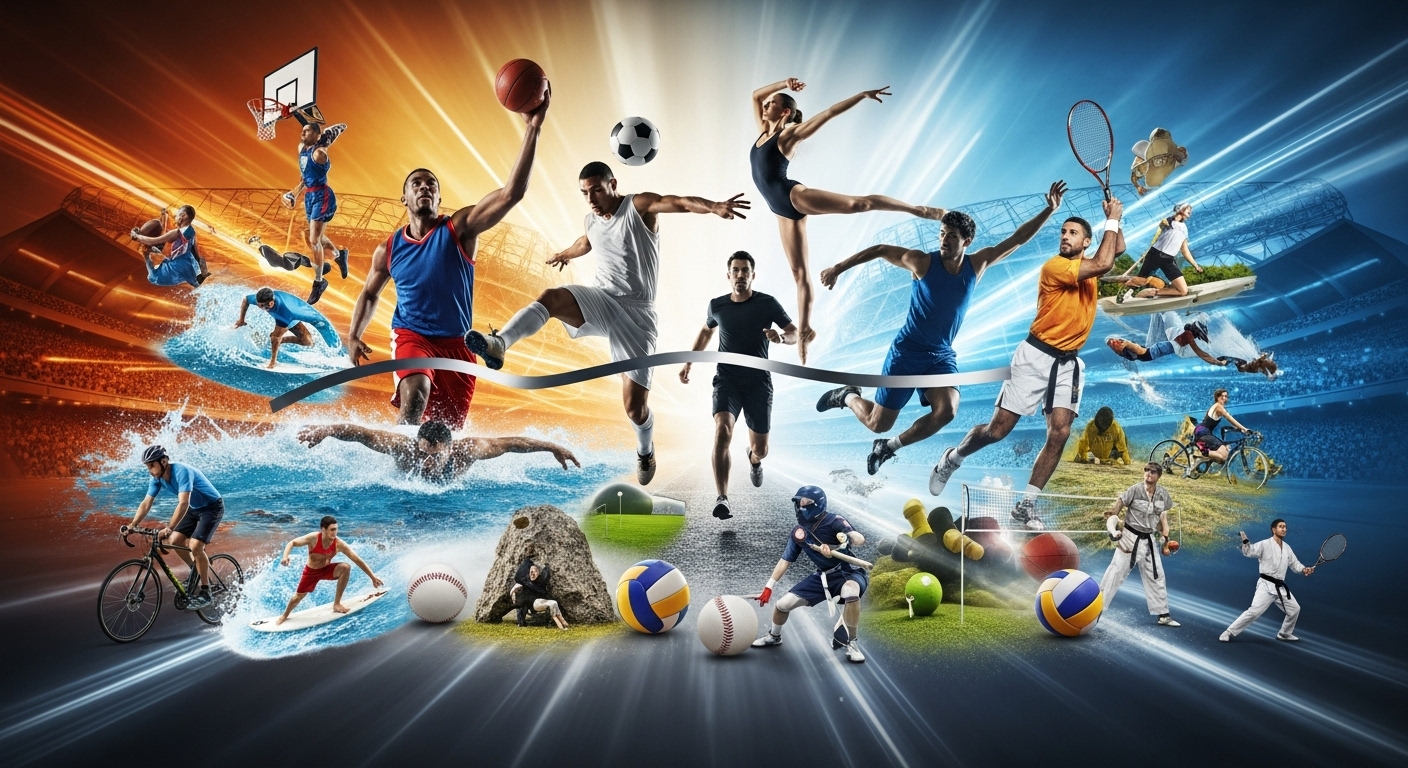
Over time, sports have transformed dramatically. The development of organized leagues, codified rules, and professional teams made sports more structured and accessible. With the advent of modern media, including radio, television, and digital platforms, sports became a shared global experience, transcending geographical boundaries. Today, sports include a diverse range of activities, from traditional games like football, cricket, and basketball to emerging disciplines such as e-sports and extreme sports.
Physical Benefits of Sports: Health and Vitality
Participation in sports offers numerous physical benefits. Regular physical activity strengthens muscles, improves cardiovascular health, enhances flexibility, and boosts overall fitness. Engaging in sports also helps manage weight, reduces the risk of chronic illnesses such as diabetes and heart disease, and promotes a healthier lifestyle.
Beyond physical conditioning, sports enhance motor skills, balance, and coordination. Athletes develop agility, reflexes, and endurance through consistent practice and competition. The combination of skill development and physical exertion makes sports a vital component of personal well-being, encouraging individuals to maintain an active and healthy life.
Mental and Emotional Benefits: Developing Resilience
Sports contribute significantly to mental and emotional health. Participating in athletic activities fosters focus, discipline, and emotional control. Athletes learn to set goals, cope with pressure, and handle both success and failure with maturity.
Team sports, in particular, teach interpersonal skills such as communication, collaboration, and conflict resolution. They create environments where individuals learn empathy, leadership, and perseverance. Even individual sports contribute to self-confidence and self-discipline, helping participants cultivate a mindset that carries over into professional, educational, and personal aspects of life.
Team Sports: Lessons in Collaboration and Leadership
Team sports offer unique opportunities for learning essential life skills. Working with others toward a shared objective teaches cooperation, accountability, and strategic thinking. Players must balance individual performance with team goals, understanding the importance of mutual support and trust.
Leadership skills are often developed through roles such as team captain or mentor, where individuals guide, motivate, and inspire their peers. Conflict resolution, negotiation, and adaptability are practiced in real time, reinforcing valuable lessons in personal and professional growth. Team sports are, therefore, not only a form of physical engagement but a training ground for life skills.
Women in Sports: Breaking Barriers and Inspiring Change
The role of women in sports has expanded remarkably in recent decades. Historically, female athletes faced barriers such as limited access to facilities, cultural restrictions, and unequal recognition. Today, women compete at elite levels, breaking records and inspiring future generations.
Female participation in sports promotes gender equality and challenges traditional stereotypes. Women athletes serve as role models, demonstrating that skill, determination, and excellence are not confined by gender. Professional leagues, international competitions, and grassroots programs continue to empower women, ensuring that sports are inclusive and accessible to all.
The Global Influence of Sports
Sports possess a unique ability to unite people across cultures and nations. International competitions such as the FIFA World Cup, the Olympics, and the Cricket World Cup bring together fans and athletes in shared celebration of human achievement. Sports provide a universal language of passion, excitement, and solidarity, fostering mutual respect and cultural exchange.
Economically, sports drive growth and create opportunities. Stadium construction, tourism, merchandising, and media coverage contribute significantly to local and national economies. Sponsorships and broadcasting deals further amplify the financial impact, making sports a major industry that supports livelihoods and stimulates innovation.
Sports as a Platform for Social Change
Athletes and sports organizations often use their platforms to promote social change. From advocating for equality and environmental awareness to supporting health initiatives and education programs, sports influence public opinion and inspire action. Iconic figures in sports have historically challenged injustice, raising awareness on critical social issues and encouraging community engagement.
Youth sports programs also play a transformative role. They provide safe spaces for children and teenagers to develop skills, gain confidence, and pursue goals. Participation in sports promotes discipline, responsibility, and resilience, while also offering pathways to mentorship, scholarships, and professional opportunities. Sports, therefore, serve as both a tool for personal development and a catalyst for broader societal progress.
Technology in Sports: Enhancing Performance and Engagement
Technological advancements have revolutionized sports, impacting both athletes and spectators. Performance-tracking devices, wearable sensors, and video analysis help athletes monitor and improve skills. Data-driven insights guide training regimens, injury prevention, and strategic decision-making.
For fans, technology enhances engagement through high-definition broadcasts, real-time statistics, and interactive applications. Virtual reality and augmented reality provide immersive viewing experiences, allowing audiences to feel closer to the action. Technology ensures that sports remain dynamic, accessible, and exciting for players and spectators alike.
Psychology of Sports: The Mental Edge
The mental aspect of sports is as critical as physical ability. Athletes cultivate focus, concentration, and emotional regulation to perform at their best. Mental training techniques such as visualization, goal-setting, and mindfulness are employed to enhance performance and resilience.
Sports psychology addresses challenges like performance anxiety, motivation, and recovery from setbacks. Athletes learn to maintain confidence, cope with pressure, and recover from failure, developing a mindset that benefits every area of life. The psychological dimension of sports underscores the importance of mental strength alongside physical preparation.
Youth Sports: Nurturing the Next Generation
Youth sports provide foundational experiences that shape individuals for life. Participation encourages physical fitness, social skills, and emotional intelligence. Children and teenagers learn the value of practice, perseverance, and collaboration, establishing habits that extend into adulthood.
Coaches and mentors are vital in guiding young athletes, providing support, feedback, and encouragement. Structured youth programs also help identify talent, nurture potential, and create pathways for future professional athletes. Youth sports foster inclusion, community engagement, and the holistic development of individuals, making them an essential aspect of societal growth.
The Future of Sports: Innovation and Inclusivity
The future of sports is shaped by innovation and inclusivity. Emerging technologies such as AI, wearable devices, and advanced analytics will continue to refine training, strategy, and performance. Virtual and augmented reality may revolutionize fan experiences, offering immersive ways to engage with games.
Inclusivity is also a key trend. Adaptive sports for individuals with disabilities are gaining recognition, providing opportunities for participation and competition. Globalization expands access and fan engagement, creating interconnected communities of players and supporters. The future of sports will emphasize innovation, accessibility, and social impact, ensuring that sports remain relevant and transformative.
Conclusion: Sports as a Reflection of Humanity
Sports are more than just games; they are a reflection of human ambition, resilience, and creativity. They inspire individuals, unite communities, and drive social and economic progress. From physical fitness and mental strength to teamwork, leadership, and cultural exchange, sports offer lessons and experiences that extend far beyond the playing field.
In a world constantly changing, sports remain a universal force for connection, growth, and inspiration. They challenge us to strive for excellence, embrace diversity, and celebrate both individual and collective achievements. By appreciating the multifaceted impact of sports, we recognize their enduring significance as a cornerstone of human development and societal well-being.